Nanotechnology news
Nanoparticles release drugs only at the site of lung cancer
German scientists have developed nanoparticles that release
drugs only in the presence of lung tumour cells in human and mouse
lungs. 8 Mar 2015
Magnetic nanoparticles
stimulate stem cells to regenerate bone
Magnetic
nanoparticles coated with targeting proteins can stimulate stem
cells to regenerate bone, according to research by Keele University
and Nottingham University. 3 Dec 2014
2-DTech offers graphene in safe water
dispersible form
Graphene pioneer 2-DTech, a spin out from
the University of Manchester, has developed a graphene solution
using water and isopropanol (IPA) that is safer, more stable and has
higher concentrations of graphene than solutions using organic
solvents. 26 Nov 2014
VascuBone project develops toolbox for personalised bone
regeneration
The EU-funded VascuBone project has developed a "toolbox" that
doctors can select from to regenerate bone for three types of bone
defects. The tool
box includes a variety of biocompatible biomaterials and cell types,
FDA-approved growth factors, material modification technologies,
simulation and analytical tools such as molecular-imaging-based in
vivo diagnostics. (includes video) 17 Nov 2014
Nanotechnology safety studies
blasted for bad science
A scientist at the Swiss Federal
Laboratories for Materials Science (Empa) has criticised studies on
the safety of nanoparticles for their poorly prepared experiments,
results that do not stand up scientifically and even for cruelty to
animals. 10 Nov 2014
Ablynx awarded €2.1m to
develop nanobody treatment for eye disease
Ghent-based Ablynx
has been awarded a €2.1 million grant by the Flemish Agency for
Innovation by Science and Technology (IWT) to develop the use of
nanobodies for a novel approach to the treatment of diseases of the
eye. 29 Aug 2014
Smartphones to be adapted to
monitor and manage stress, nutrition and HIV infection
A
multidisciplinary team headed by Cornell University has been awarded
a $3million grant to combine microfluidics and smartphone technology
for health monitoring and improving patient engagement in their
healthcare. 20 Aug 2014
Oraya Therapeutics awarded grant
to develop gold nanoparticle cancer therapy
Oraya
Therapeutics, Inc. has been awarded a US$215,000 Small Business
Technology Transfer Grant by the US NIH to investigate how Oraya
Therapy can further enhance the treatment of wet age-related macular
degeneration. 12 Aug 2014
Smart skin patch wins French ‘Worldwide Innovation Challenge’ award
Rhenovia Pharma has announced that its SMARTT e-Patch project has
won an award founded by the
President of France to identify future champions in the French
economy. 28 Apr 2014
Nanoparticle solution closes deep wounds in 30 seconds
A
French research team
has shown that an aqueous solution
of nanoparticles can repair deep wounds in the skin and soft-tissue organs
that normally tear when sutures (stitches) are applied. 24 Apr 2014
Feature: Nanofibres
coming of age
Nanofibres have potential applications
in a broad range of products and with the maturing of the
electrospinning manufacturing process some are already commercially
viable. The greatest potential for electrospun nanofibres is in
composite materials or multi-component constructions. By Dr Barry
Park, Professor Bob Stevens, Dr Gabriela Juárez Martínez. 21 April
2014
Health hazards from
nanoparticles in common consumer products
Nanoparticles
composed of titanium, chromium, manganese, iron, nickel, copper and
zinc compounds that are used in many consumer products are toxic to
human cells. 14 Feb 2014
Bubble trapped in graphene
enables unprecedented imaging of hydrated protein molecules
A tiny water bubble trapped between two layers of graphene provides
the key to taking nanoscale images of liquid samples in an electron
microscope. 5 Feb 2014
Behaviour and function of
enteroviruses monitored using gold nanoparticles
Researchers
at the Nanoscience Center (NSC) of University of Jyväskylä in
Finland have developed a novel method to study enterovirus
structures and their functions by attaching gold nanoparticles to
the surface of viruses so they show up in imaging.
Nanodiamonds carry
chemotherapy drugs direct to brain tumour
Microscopic
carbon-based particles called nanodiamonds are able to carry
chemotherapy drugs directly into brain tumours in a new technique
developed by the Jonsson Comprehensive Cancer Center
at UCLA. 8 October 2013
Labelled gold nanoparticles
hold key to targeted stem cell therapy
Researchers at
Southampton and Cambridge Universities have developed a technique
using gold nanoprobes to identify different types of cells, so that
they can target the right ones in stem cell therapies. 28 Aug 2013
Recommendations for the development of nanomedicine in Europe till
2020
The European Technology Platform on Nanomedicine (ETPN) and the
NANOMED2020 project have published a White Paper on the
Contribution of Nanomedicine to Horizon 2020 research funding
programme. 21 June 2013
Cambridge Nanotherm to build
nano-ceramic manufacturing plant
Cambridge Nanotherm is to
build a prototype manufacturing plant for its novel nanoceramic
material for thermal management of electronics. 15 May 2013
Nanosensor detects cancer cells
A nanosensor that can detect cancerous skin cells by identifying
mutated RNA has been developed by the Swiss Nanoscience Institute of
the University of Basel and the Ludwig Institute for Cancer Research
in Lausanne. 27 Feb 2013
Magnetic
nanoparticles deliver drugs directly to diseased cells
This limits side effects on other parts of the
body and opens up new possibilities for the development
of more efficient targeted treatments. 7 Feb 2013
Ultra high strength silica
nanowires developed at Southampton University
The University
of Southampton’s Optoelectronics Research Centre (ORC) has created
the world's strongest silica nanofibres, which could lead to a new
generation of ultra high strength composites. 10 Jan 2013
European nanoelectronics industry to invest €100bn to keep competitiveness
A new report outlines a proposal by companies and
institutes within Europe’s nanoelectronics ecosystem to invest €100
billion up to the year 2020 on an ambitious research and innovation
programme. 14 Dec 2012
X-ray detector can measure nanoscale cell
elements important in disease detection
A new type of X-ray
detector that can determine the size of microvesicles, the smallest
cell elements, has been developed by Physikalisch-Technische
Bundesanstalt (PTB) and Dectris. 8 Dec 2012
Nanoparticles improve strength of
'invisible' dental brackets
A polymer used for dental braces
has improved mechanical properties and abrasion resistance when
alumina nanoparticles are added to the ingredients. 8 November 2012
Graphene membranes etched to
create molecular sieves
An engineering team at the University
of Colorado Boulder has produced graphene membranes with tiny pores
that can efficiently separate gas molecules through size-selective
sieving. 9 Oct 2012
Conference on the potential uses of
nanofibres
The NanoKTN is hosting a one-day conference at Nottingham
Trent University on 17 October, to look at ways in which the technology to
produce and incorporate nanofibres into nanocomposites has progressed in the
last year. 9 Oct 2012
Novel cancer treatment using drug
release controlled by NIR-stimulated nanoparticles
Controlled drug
release at the site of a tumour using near-infrared stimulation of
nanoparticles shows promise as a non-invasive treatment for deep cancer. 27
Sept 2012
Cardiac cells generated from stem
cells using carbon nanotubes
The electrical stimulation of carbon
nanotubes can direct stem cells to form cardiac cells. The technique could
give the ability to repair damaged heart muscle, which has little natural
repair capacity. 19 Sept 2012
Health and safety guidelines issued
for working with nanomaterials
The Institution of Occupational
Safety and Health (IOSH) has published the first-ever health and safety
guidance for working with nanomaterials in research and development. 20 Sept
2012
Liverpool University pioneers use of
nanomedicines to treat HIV/AIDS
The University is leading a £1.65
million project to test the drugs made from nanoscale particles, which
could allow smaller doses. 5 Sep 2012
Zinc and copper give nanocapsules
blue fluorescence
Tokyo Tech researchers have developed
blue-fluorescent molecular nanocapsules by simply mixing metal ions
and bent organic blocks. Applications include displays and drug
delivery systems. 17 July 2012
International conference on
nanostructured metamaterials
The Conference will be held on
3-4 July in Jena, Germany, and will disseminate the latest results
on how to model, fabricate, characterize, and use electromagnetic
nanostructured materials. 7 May 2012
Electronic sensor can detect
prostate cancer cells
Scientists at the Barcelona University
have developed the main components of a biosensor containing several
hundred nanometric sized optoacoustic biosensors and that can detect
cancer cells in urine. 4 June 2012
Enzyme-coated gold nanoparticles
make ultra-sensitive disease detectors
Enzyme-coated gold
nanoparticles can detect disease biomarkers at several orders of
magnitude lower concentrations than current tests and will make it
possible to detect a range of diseases earlier. 30 May 2012
NanoKTN helps secure £3.2m
funding for X-ray photoelectron spectroscopy facility
NEXUS
in nanoLAB at Newcastle University is one of a series of "mid-range
facilities" funded by EPSRC and comprising a high-tech suite of XPS
and associated facilities for open-access use. 30 May 2012
Swansea University leads £1.5m initiatives to develop expertise in nanomedicine
The Celtic Alliance for
NanoHealth will support institutions and companies in Wales and
Ireland, and the Global Hub in Medical Technologies and NanoHealth
will facilitate a series of staff exchanges with international
academic partners. 28 May 2012
Quantum dots. Global market forecast & analysis 2012-2022 by
applications (healthcare, opto-electronics, optics, security and
sustainable energy. May 2012
Quantum
Dots (QD) are the types of semiconductor nanoparticles, which can be
assembled in multiple applications like healthcare, electronics,
etc. The current market of QD is at pre-commercialized stage; most
of the researchers are working on the “application aspects” of QD
technology and deriving the products based on QD.
Nanotechnology Cookbook. Practical, Reliable and Jargon-free
Experimental Procedures.
100+ detailed recipes for synthesis of basic nanostructured materials, enables readers to pick up the book and get
started on a preparation immediately. A cookbook, by design and structure the work is easy to
use, familiar and compact. 25 May 2012
Nanoparticles revive failed
cancer drug
A University of North Carolina (UNC) team has
developed nanoparticle drug carriers that have successfully
delivered therapeutic doses of a cancer drug that had previously
failed clinical development due to pharmacological challenges. 14
May 2012
Peratech creates electronic
nose using quantum tunnelling composite technology
The new
sensor technology detects the presence of volatile organic compounds
(VOCs) very rapidly and can recover in seconds. 14 May 2012
Manchester university
spin-out turns into world leading quantum dot producer
Quantum dot producer Nanoco has grown from a university spin-out to
one of the UK’s most significant nanotechnology companies. 8 May
2012
US organisations force
change in FDA policy on safety of nanomaterials
Last week the
FDA released new draft guidances on the use of nanotechnology in
food and cosmetics. The agency’s actions followed a lawsuit filed in
December 2011 by a group of non-profits demanding oversight action.
6 May 2012
Nanoparticles in food and
drugs have adverse effect on nutrient absorption
Nanoparticles even in low doses can have a big impact on long-term
health. They are used widely in consumer products, from cosmetics
and clothes, to soda, snacks and toothpaste. 14 Mar 2012
New method for making
nanoparticles and depositing on 3D surfaces
A new method of
making nanoparticles and nanofilms could be used to develop better
electronic devices, biosensors and certain types of high-powered and
highly specific microscopes used for scientific research. 14 Mar
2012
Laser-heated
carbon nanotubes kill breast cancer stem cells
Researchers at
Wake Forest Baptist Medical Center in the US have shown that
injecting multiwalled carbon nanotubes (MWCNTs) into tumours and
heating them with a 30-second laser treatment can kill them. 24 Feb
2012
Targeted nanoparticles deliver diabetes drugs directly to pancreas
Lab studies have shown
that nanoparticles containing protein molecules that bind to
pancreas cells can effectively deliver diabetes drugs directly to
the pancreas, the organ that produces insulin and is at most risk
during onset of diabetes.
Midatech secures £6.3m
financing for nanomedicine product development
The financing
will be used to support clinical development of chemotherapeutic
gold nanoparticles designed to target ovarian, lung and breast
carcinoma. 17 Jan 2012
FDA sued over lack of response
on safety of nanomaterials in consumer products
A coalition
of consumer safety and environmental groups has sued the US Food and
Drug Administration (FDA) today over the health and environmental
risks of nanotechnology and nanomaterials in consumer products. 21
Dec 2011
Morphology of nanoparticles is
critical to their biological interactions
Southampton University
researchers have shown that the morphology of nanoparticles is critical to
the way they interact with endothelial cells. 21 Dec 2011
Microvisk wins Healthcare
Project of the Year after visitors queue up at Medica
Microvisk Technologies has scooped the Award at the BioNoW
Biomedical Awards. It follows the highly successful introduction of
the company's CoagMax and CoagLite devices at Medica. 9 Dec 2011
Articificial nanoparticles shown to
affect the heart
A team of German scientists has for the
first time shown, in an isolated rodent heart, that selected
artificial nanoparticles have a direct effect on heart rate and
heart rhythm. 3 August 2011
NanoKTN announces
second BlueSkyNano grants for advanced materials development
The UK Nanotechnology Knowledge Transfer Network has announced a
partnership with Belfast-based ANSIN in launching its second
BlueSkyNano awards scheme. 14 July 2011
APT and Brunel University to
develop sorting process for carbon nanotubes
The UK
Technology Strategy Board is providing funding to develop a new
continuous flow process for separating and sorting commercially
available carbon nanotubes and carbon nanomaterials. 18 June 2011
 The
nanomechanics revolution in medicine The
nanomechanics revolution in medicine
From antibiotic
development to inflammation markers, nanomechanics are bending and
shaping the future of the bio-industry. Nanotechnology is still
uppermost in the imagination of much of the industry, often seen as
something of a Sci-Fi concept. But it is a reality, and it is being
used in labs across the world today. Dr Mike Fisher of Bio Nano
Consulting describes how it is already producing some
remarkable results and innovations. 10
June 2011
Global
Carbon Nanotubes Market - SWCNTS, MWCNTS, Technology, Applications,
Trends & Outlook (2011 - 2016)
Carbon nanotubes are
minuscule allotropes of carbon having sizes to the scale of nanometers.
Their physical, electrical, and thermal properties make them special
material for a number of applications. CNTs have very high tensile
strength, excellent electrical conductivity, and the ability to bear
high working temperatures. May 2011
European Conference for
Clinical Nanomedicine
The 4th European Conference for
Clinical Nanomedicine is taking place from 23 to 25 May, 2011 in
Basel, Switzerland, and will focus on the clinical application of
novel developments in nanosciences. May 2011
IBM and IBN develop
biodegradable polymers that detect and destroy MRSA
Researchers from IBM and the Institute of Bioengineering and
Nanotechnology in Singapore have discovered new types of polymers
that physically detect and destroy antibiotic-resistant bacteria and
infectious diseases such as MRSA. 4 April 2011
 Structure
of Salmonella bacteria imaged at near atomic scale Structure
of Salmonella bacteria imaged at near atomic scale
Scientists
at the Research Institute of Molecular Pathology in Vienna have
imaged in unprecedented detail the needle-shaped extensions that
Salmonella bacteria use to infect their host. Detailed knowledge of
the needles’ structure may help to develop substances that interfere
with its function and thus prevent infection. 14 March 2011
Book: The Impacts of Nanotechnology on Companies: Policy Insights
from Case Studies
This book from the OECD examines
the potential economic impacts of nanotechnology, how companies are
using nanotechnology for innovation, and what the key challenges in
its commercialisation might be. March 2011
Nitric oxide in nanoparticles
increases survival after massive blood loss
Nitric oxide (NO)
carried in the bloodstream by nano-size particles could prove a
vital tool in maintaining blood circulation following massive blood
loss. 5 March 2011
Nano4Life 2011: converging
nanotechnology with life sciences
The UK Nanotechnology
Knowledge Transfer Network is holding its Nano4Life 2011 annual
conference on 24 February in London with the theme: converging
nanotechnology with the life science industry. 15 Feb 2011
NanoSight reaches
profitability with support of UK nanotechnology network
Salisbury-based NanoSight, which has developed a unique nanoparticle
characterization system, has recently secured its 250th sale and has
reached profitability for the first time since the company was
established in 2005. 24 Jan 2011
Conference on nanotechnology
for drug formulation
The conference, which will be held on 27
January at The School of Pharmacy, London, will provide a forum for
industry professionals to discuss and highlight best practise and to
encourage collaborative working. 21 Jan 2011
Nanoscience Instruments
launches benchtop carbon nanotube synthesiser
The new
benchtop carbon nanotube synthesis device, Nanotech Innovations
SSP-354, is a low-cost system for producing high-quality,
multi-walled carbon nanotubes. 7 Jan 2011
New nanochemistry analytical
tool based on quartz crystal
A new chemical analysis
technique developed by a research group at the US National Institute
of Standards and Technology (NIST) uses the shifting ultrasonic
pitch of a small quartz crystal to test the purity of only a few
micrograms of material. 3 Dec 2010
Report
Nanobiotechnology
Nanobiotechnology,
an integration of physical sciences, molecular engineering, biology,
chemistry and biotechnology holds considerable promise of advances
in pharmaceuticals and healthcare. The report starts with an
introduction to various techniques and materials that are relevant
to nanobiotechnology. Application in life sciences research,
particularly at the cell level sets the stage for role of
nanobiotechnology in healthcare in subsequent chapters.
more ...
2 Nov 2010
European nanomedicine
technology group to meet on 14-15 Oct
The 5th General
Assembly & Annual Forum of the European Technology Platform on
Nanomedicine (ETPN) will take place at Centro Congressi Fondazione
Cariplo in Milan, Italy on 14 and 15 October 2010. 4 Oct 2010
Microelectronic sensors could
replace multi-welled microplate in research labs
The
multi-welled microplate, long a standard tool in biomedical research
and diagnostic laboratories, could be replaced by new electronic
biosensing technology on a chip. 23 Sept 2010
 Laser
blasted carbon nanoparticles open cell walls for drug delivery Laser
blasted carbon nanoparticles open cell walls for drug delivery
Carbon nanoparticles blasted by bursts of laser light can open holes
in cell membranes just long enough to admit therapeutic agents
contained in the surrounding fluid. 30 July 2010
Common blood protein combined with
nanoparticles kills cancer cells
A normally benign protein abundant
in human blood appears to be able to zero in on and kill certain cancer
cells when paired with nanoparticles, without having to also load the
particles with chemotherapy drugs. 30 July 2010
MRI tracking of tumour
ablation by carbon nanotubes
A new way of monitoring carbon
nanotubes as they destroy tumour cells by laser induced heating has
been developed by researchers from Wake Forest University Baptist
Medical Center. 26 July 2010
P2i expands nano-coating
portfolio with acquisition of Surface Innovations
Abingdon
based P2i Limited, a world leader in liquid repellent nano-coating
technology, has acquired Surface Innovations Ltd, a UK-based
technology company with a wide range of functional nano-coating
patents. 15 July 2010
Simple method for creating
monolayer coatings of gold nanoparticles
Researchers at
Rensselaer Polytechnic Institute in the US have developed a new,
extremely simple method for coating surfaces with a single layer of
gold nanoparticles that measures only billionths of a meter thick.
29 June 2010
CEA-Leti launches study on
photodynamic therapy for cancer treatment
CEA-Leti has
launched the TARGET-PDT project designed to increase the
effectiveness of photodynamic therapy (PDT) for treating cancer by
developing a novel nano carrier-based approach.
14 June 2010
Call for EU to ensure maximum
benefits are gained from nanomedicine
European nanomedicine
experts have called on the European Parliament to ensure the
widespread benefits offered by advances in nanomedicine are used to
the best advantage. 2 June 2010
Nanoscale glass conductors for
new class of lab-on-chip devices
The discovery of a new
electrical phenomenon that only acts at the nanoscale could lead to
faster, less expensive lab-on-a-chip diagnostic devices. 24 May 2010
DNA robots the future of medical
treatment and molecular factories
Autonomous molecular 'robots' made
from DNA that could be used as therapeutic devices or as a production line
to build complex molecules have been built by a multidisciplinary team of US
scientists. 24 May 2010
Magnetic fluorescent nanoparticles highlight brain tumours for MRI and surgery
Scientists at Ohio State University have combined two types of
nanoparticle to create a 'nanocomposite' that is both magnetic and
fluorescent. The aim is to highlight tumours in diagnostic imaging
and visually during surgery. 7 May 2010
European Science Foundation
conference on nanomedicine
The European Science Foundation is
holding a conference with the theme: Nanomedicine: Reality Now
and Soon on 23-28 October 2010 at Sant Feliu de Guixols, Spain.
4 May 2010
Nanosensors powered by
piezoelectric nanogenerators
By combining a new generation of
piezoelectric nanogenerators with two types of nanowire sensors,
researchers at the Georgia Institute of Technology have created what
are believed to be the first self-powered nanometer-scale sensing
devices that draw power from the conversion of mechanical energy. 21
April 2010
How nanosized particles may
affect skin care products
The rapidly growing field of
nanotechnology and its future use in cosmetic products holds both
enormous potential and potential concern for consumers. 16 April
2010
New method for tuning lasers gives
potential for nanosurgery
Researchers at the Technische Universität Darmstadt have found a new
method for generating tunable wavelengths employing
quantum-dot lasers. It has potential applications in molecular
surgery, destroying cancer cells, corneal surgery and diagnostics. 16 April 2010
Nanotechnology group welcomes
UK government strategy
The Secretariat of the UK
Nanotechnology Mini-Innovation and Growth Team (Mini-IGT) has
welcomed the publication of the UK Nanotechnologies Strategy: Small
Technologies, Great Opportunities [1]. 25 March 2010
Fluorescent nanoparticles highlight
cancerous tissue on operating table
Cell-penetrating
molecules carrying fluorescent and magnetic tags that stick to and
light up tumours help surgeons see more of the tumour tissue on the
operating table and make it visible to MRI scans. 9 Mar 2010
Chip for measuring male fertility
is first stage in home testing kit
A new ‘fertility chip’,
developed by researchers at the University of Twente’s is an important
step towards the development of a compact device for reliable
‘pre-scanning’ of male fertility. 23 Feb 2010
Report urges review of hazards of
silver nanoparticles in consumer products
The UK Advisory Committee on Hazardous Substances has produced
Report on Nanosilver, recommending that government bodies fund a
thorough review of the hazards and exposure of silver nanoparticles as
an immediate priority. 9 Feb 2010
Free conferences on EU
nanotechnology governance framework — 11 Feb London
The FramingNano UK Event, to be held in London on 11 February,
provides a unique opportunity to explore the key issues of
nanotechnology governance and to discuss possible new governance models.
The Event will be of interest to all concerned with the responsible
development of this vitally important enabling technology. 8 Feb 2010
Antibody-coated nanoparticles in
microfluidic chip improve cancer detection 100 fold
The Fraunhofer Institute for Silicate Research is developing a highly
sensitive method for detecting cancer that can detect single molecules
of compounds in the blood that accompany specific types of tumour. 5 Feb
2010
Converging nanotechnology with the
life science industry: Nano4Life 2010
Organised by NanoKTN in collaboration with The Wellcome Trust, the
conference will be held in London on 4 Feb. 1 Feb 2010
Call for papers: 3rd European Conference for Clinical Nanomedicine,
10-12 May 2010
The 3rd European Conference for Clinical Nanomedicine is calling for
papers on original research aimed at future or current clinical
application of nanoscience: Deadline 1 March. 1 Feb 2010
Workshop on packaging and
integration challenges for micro & nano-enabled sensors
The UK Nanotechnology Knowledge Transfer Network (NanoKTN) is holding
its next micro and nano-enabled sensors workshop on 21 January 2010 at
the Rutherford Appleton Laboratory (RAL), Didcot near Oxford. 19 Jan
2010
Nicast announces plans to launch
NovaMesh Intra-abdominal hernia mesh in Europe in 2010
NovaMesh is the first intra-abdominal hernia mesh to utilize the special
properties of electrospun nanofabric. 15 Dec 2009
Agilent and Stanford University to
build breakthrough sub 10 nanometre scale devices
Agilent Technologies Inc. (NYSE: A) is collaborating with Stanford
University to study using scanning probe microscope and atomic layer
deposition to build devices with breakthroughs in sub 10 nm scale. 12
November 2009
UK Nanotechnology Knowledge
Transfer Network supports €1 billion EC investment in technology
The Nanotechnology Knowledge Transfer Network (NanoKTN), one of the UK’s
primary knowledge-based networks for Micro and Nanotechnologies, has
announced its support for the €1bn that has been made available by the
European Commission for new projects. 17 September 2009
Gold-coated nanotubes used as
imaging agent to detect tumour cells
The imaging agents could be used as a more efficient and less toxic
alternative to nanoparticles and fluorescent labels used in targeted
molecular detection of normal cells, cancer cells and bacteria. 11 Sept
2009
Swansea Centre for Nanohealth
awarded £1m to study safety of nanoparticles
Researchers at Swansea University’s Centre for NanoHealth have been
awarded a £1 million grant to analyse the levels at which nanoparticles
can be deemed safe within cells. 5 September 2009
 Cause
of neurological interference by carbon nanotubes discovered Cause
of neurological interference by carbon nanotubes discovered
A team of Brown University researchers in the US has found that the
cause is the metal catalysts used to form the tubes, especially the
metal yttrium. 1 September 2009
Elan's NanoCrystal technology approved
for long-acting injectable formulation
Elan Drug Technologies has announced the first approval of a long-acting
injectable formulation using its proprietary NanoCrystal technology. 9
August 2009
New fluorescent nanoparticles could
track uptake of drugs
Researchers at the University of Leicester have discovered a method to
create fluorescent silicon nanoparticles that could be used to track
biologically sensitive materials in the body. 8 July 2009
Chemical nose could provide more
accurate indication of cancer than biomarkers
Using a 'chemical nose' array of nanoparticles and polymers, researchers
have developed a new, more effective way to differentiate between healthy
and cancerous cells and also between metastatic and non-metastatic cancer
cells. 8 July 2009
Molecular automatons could detect and
treat disease in the body
Researchers from the Artificial Intelligence Group (LIA) at the Universidad
Politécnica de Madrid's School of Computing have designed a biomolecular
automaton and several genetic circuits with potential future applications in
the field of vanguard medicine. 29 June 2009
IBM to support Bulgarian nanotechnology
centre and research
The agreement will promote co-operation between industry and academia and
support the Bulgarian government's three-year program to develop
nanoproducts, micromachines and microsystems. 17 June 2009
IBM opens new possibilities in
nanoelectronics with measurement of single atom charge
This represents a milestone in nanoscale science and opens up new
possibilities in the exploration of nanoscale structures and devices at the
ultimate atomic and molecular limits. 16 June 2009
University College London awarded £5
million for nanomedicine research
UCL has won grants for four nanotechnology projects that will develop
targeting agents to treat cancer, multi-marker HIV smart chips, novel
therapies for Alzheimer's disease, and non-invasive imaging to detect colon
cancer biomarkers. 3 June 2009
One-day course on innovative medical
devices and medical technology
The Institute of Nanotechnology is running a one-day interactive Workshop on
8 July in collaboration with the University of Sheffield. The course
provides a showcase of innovative medical technologies developed both at the
University and by a number of locally-based companies. 3 June 2009
Thin-film battery revenues to come from
medical devices, sensors and watches
Thin-film batteries are being designed as energy storage devices for small
photovoltaic or thermoelectric systems to create ultra-long-lived power
sources for medical devices, sensors and watches. 19 May 2009
Custom-designed nanoparticles key to
new generation of highly effective vaccines
Liquidia Technologies has developed a method to custom design and produce
nanoparticles for carrying vaccines that can enhance immune response up to
10-fold. 7 May 2009
Course on nanotechnology and regenerative medicine
The Institute of Nanotechnology in partnership with Nanomednet and the
Cranfield Institute of Technology is holding a one-day course on
nanotechnology and regenerative medicine at the Linnean Society, London
on 7 May 2009.
1 May 2009.
IMEC paves way for multi-electrode
deep-brain stimulation
The Belgium-based Interuniversity Microelectronics Centre (IMEC) has
presented a new design strategy for brain implants, which it used to create
a prototype multi-electrode stimulation and recording probe for deep-brain
stimulation. 24 April 2009
Leicester University wins £320,000
grant to study magnetic nanoparticles for treatment of prostate cancer
The award will allow a multidisciplinary research team to design
high-performance magnetic nanoparticles that target unique cell surface
receptors present on the prostate tumour cell surface. 24 April 2009
Bionanotechnology: a revolution at
single molecule level
Progress in bionanotechnology is essential for our understanding of cells
and for the development of new therapeutics, which nowadays increasingly
function at the molecular level, according to Prof Nynke Dekker of the Delft
University of Technology. 24 April 2009
Parabon NanoLabs to use power of grid computing to design novel
macromolecules based on synthetic DNA
Parabon Computation has spun off Parabon NanoLabs to develop nano-scale products based on designer DNA technology.
It will initially focus on developing nano-scale sensors for
therapeutics, diagnostics and other molecular detection systems.
9 April 2009
Leading experts in Nanomedicine and
Biomedical Informatics meet on 16 and March 17 in Madrid.
Español.
12 March 2009
Magnetic nanoparticles navigate
therapeutic genes through body and measure effectiveness
Scientists of the German metrology institute, the Physikalisch-Technische
Bundesanstalt (PTB) in a joint study with the University of Bonn, have
developed a highly sensitive method that uses magnetic nanoparticles to
navigate therapeutic genes to the desired cells in a body and also measure
the efficiency of gene transfer to the cells. 6 March 2009.
Deutsch
Tunable gel for distributing
nanoparticles wins student $30,000 prize
A PhD student at Rensselaer Polytechnic Institute in the US has developed a
new method for harnessing the enormous potential of nanoparticles, which
could lead to a new generation of medical devices, drug-delivery
technologies, and other applications of nanomedicine. 5 March 2009
EU project to study impact of nanomedicine on healthcare
The EU-funded NANOMED project aims to look at all aspects of nanomedicine
and provide an objective answer to claims that this rapidly evolving field
will change the face of healthcare forever. 25 February 2009
Oxford Nanopore moves closer to
label-free, single molecule DNA sequencing
Oxford Nanopore Technologies has announced the publication of new research
in Nature Nanotechnology, demonstrating accurate and continuous
identification of DNA bases using nanopores. 23 February 2009
Plasmonic nanoswitches could increase computing power a million fold
Plasmonics may pave the way for the next generation of computers that
operate faster and store more information than electronically-based systems
and are smaller than optically-based systems. 22 February 2009
Gold nanospheres target and destroy cancer
cells
Hollow gold nanospheres equipped with a targeting peptide find melanoma
cells, penetrate them deeply, and then cook the tumour when bathed with
near-infrared light, a research team led by scientists at The University of
Texas MD Anderson Cancer Center has reported. 16 February 2009
International collaboration to develop
ultrasound-activated drug-delivery nanoparticles
Nanobiotix, an emerging nanomedicine company has announced that it will
collaborate with the SonoDrugs project consortium to develop new
nanoparticulate drug carriers that can be activated for localized drug
release using focused ultrasound. 10 February 2009
Wales to host Europe's first Centre for
NanoHealth
Swansea University in Wales will host Europe's first centre devoted to
nanomedicine, after securing more than £10 million in European funding. 9
February 2009
Canada to enforce world's first mandatory
reporting on engineered nanomaterials
The Canadian government reportedly is planning to release in February the
world's first national regulation requiring companies to detail their use of
engineered nanomaterials, according to environmental officials. 31 January
2009
Bayer builds world's largest production
plant for carbon nanotubes in Germany
Bayer MaterialScience has begun work on the construction of a new facility
for the production of carbon nanotubes(CNTs) in Chempark Leverkusen,
Germany. The new plant will have a capacity of 200 tons/year. 31 January
2009
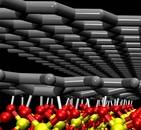 Graphene-based
nanoelectronics a step closer Graphene-based
nanoelectronics a step closer
The mass production of graphene-based nanoelectronics has been brought a
step closer with the discovery of a new method for controlling the nature of
graphene. 31 January 2009
Philips leads €15.9m project to develop
image-guided drug-delivery technology
By delivering drugs directly to disease sites via the patient’s
bloodstream that are then activated by focused ultrasound pulses, the
SonoDrugs project aims to maximize the therapeutic efficiency and
minimize the side effects of drug treatments for cancer and
cardiovascular disease. 31 January 2009
 Nanotubes
for treating neurodegenerative disorders Nanotubes
for treating neurodegenerative disorders
Magnetic nanotubes combined with nerve growth factor can enable specific
cells to differentiate into neurons, according to electrical engineering
researchers at the University of Arkansas. 25 January 2009
Micromotors small enough to swim in
human arteries
Researchers at Monash University in Australia have developed a micro motor
small enough to be injected into human arteries. It could be used for the
safer treatment of stroke victims, hardened arteries or blockages in the
bloodstream. 24 January 2009
US Congress highlights need for
nanotechnology safety
The US House Science and Technology Committee has introduced legislation
that highlights the growing attention on Capitol Hill for the need to
strengthen federal efforts to learn more about the potential environmental,
health and safety (EHS) risks posed by engineered nanomaterials. 21 January
2009
Call for nanoscale food-additives to
undergo new testing for safety
Nanotechnology policy experts in the US are urging that food additives that
contain nanoscale materials be subject to new safety testing to ensure that
their use does not pose unintended risks. 12 January 2009
UK NanoKTN supports EC's €1.8bn investment in ICT research
The UK Nanotechnology Knowledge Transfer Network (NanoKTN) has announced its support for the €1.8bn that has been made available
for research projects by
the European Commission, through their Information Communications
Technology (ICT) fund. 9 January 2009
Toshiba develops novel biosensor array
with individually coded microparticles
Cambridge Research Laboratory of Toshiba Research Europe Ltd has developed a
novel, label-free biosensor platform that is expected to significantly
shorten the time taken to screen molecules for biomedical applications,
saving days or even weeks of research time. 25 November 2008
Philips announces breakthrough in
point-of-care testing using nanotechnology
Philips’ new Magnotech technology uses magnetic nanoparticles to measure
target molecules. The ease of use and accuracy of this new technology could
speed up the diagnosis of life-threatening diseases and bring complex
in-vitro diagnostic tests out of the laboratory to the patient’s bedside and
at home. 25 November 2008
UK Royal Commission calls for more safety
measures for nanotechnology materials
A new report by the UK's Royal Commission on Environmental Pollution (RCEP)
says that there is an urgent need for more testing, extending existing
governance arrangements and creating new arrangements to control the
development of nanomaterials. 12 November 2008
NanoKTN and Bionano Consulting partner to
develop bionano and nanomedicine in UK
The Nanotechnology Knowledge Transfer Network (NanoKTN), the UK’s primary
network for Micro and Nanotechnologies, has announced a 20-month partnership
with Bio Nano Consulting (BNC) and the creation of the NanoKTN’s fourth
theme, Bionano and Nanomedicine. 20 October 2008
Nanotechnology in the biotechnology and pharmaceutical industries
Bionanotechnology is moving
forward rapidly. It will enhance our understanding of biology and how
biological systems work and is already helping resolve some of the pharma
and biotech industries' significant problems. Dr Mike Fisher
of the UK's Nanotechnology Knowledge Transfer Network (NanoKTN)
gives an overview of its potential.
October 2008
Nanotechnology gives insight into workings
of antibiotics for fighting superbugs
Scientists from the London Centre for Nanotechnology (LCN) at University
College London (UCL) are using a novel nanomechanical approach to
investigate the workings of vancomycin, one of the few antibiotics that can
be used to combat increasingly resistant infections such as MRSA. 16 October
2008
Report: Nanobiotechnologies applications, markets and companies
Nanobiotechnology, an
integration of physical sciences, molecular engineering, biology,
chemistry and biotechnology holds considerable promise of advances in
pharmaceuticals and healthcare.
The report starts with an introduction to various techniques and materials
that are relevant to nanobiotechnology. It includes some of the physical
forms of energy such as nanolasers. Some of the technologies are scaling
down such as microfluidics to nanofluidic biochips and others are
constructions from bottom up. Application in life sciences research,
particularly at the cell level sets the stage for role of nanobiotechnology
in healthcare in subsequent chapters. October 2008.
Read more ...
Carbon nanotubes improve electrical
stimulation therapy
Researchers at University of Texas Southwestern Medical Center have designed
a way to improve electrical stimulation of nerves by coating electrodes with
a coating of basic black, formed from carbon nanotubes. 7 October 2008
Philips in partnership with University of
Urbino to develop magnetic nanoparticle contrast agents for blood cells
Philips Research and the University of Urbino (Urbino, Italy) have signed a
research agreement to study the encapsulation of magnetic nanoparticle
contrast agents inside living blood cells to prolong the retention time of
these agents in the blood. 29 September 2008
Report: Medical Nanotechnology Markets
Nanotechnology has reached critical mass. Nowhere is this more evident
than in medicine. Rising medical costs, demands for less-invasive
procedures and pressures for immediate feedback of medical conditions,
all point to nanotechnology as offering a new approach in healthcare.
According to US National Science Foundation estimates, by 2015 the
annual global market for nano-related goods and services will top $1
trillion, thus making it one of the fastest-growing industries in
history. Read
more ...
Fairway Medical Technologies wins US Navy
contract to develop battlefield blood-borne pathogen detector
Fairway Medical Technologies has received a $900,000 contract from the US
Department of the Navy to apply its pulsed laser optoacoustic technology to
the real-time detection of blood borne pathogens and biological warfare
agents under battlefield conditions. 12 September 2008
Report: Nanobiotechnology
The report starts with an introduction to various techniques and materials
that are relevant to nanobiotechnology. It includes some of the physical
forms of energy such as nanolasers. Some of the technologies are scaling
down such as microfluidics to nanofluidic biochips and others are
constructions from bottom up. Applications in life sciences research,
particularly at the cell level sets the stage for the role of
nanobiotechnology in healthcare in subsequent chapters. July 2008.
Read more ...
First prototypes of disposable insulin
nanopump for continuous infusion
Debiotech and STMicroelectronics have introduced the first evaluation
prototypes of a unique miniaturized insulin-delivery pump that could improve
the treatment efficiency and the quality of life of diabetics. 29 June 2008
Carbon nanotubes attached to antibodies
kill cancer cells under infrared light
Carbon nanotubes attached to monoclonal antibodies that target specific
sites on lymphoma cells can kill the cells by heating up when exposed to
near-infrared light. 25 June 2008
Breakthrough in antimicrobial coatings
4MED is an innovative hygiene coating developed by Stratford upon Avon-based
Nano Hygiene Coatings Limited. The coating combines the benefits of the
easy-to-clean properties derived from nano chemical technology with an
antimicrobial additive, actively preventing the growth of bacteria such as E
Coli and MRSA. 19 June 2008
New nanotechnology consumer products
launched at rate of 3-4 per week
New nanotechnology consumer products are coming on the market at the rate of
3-4 per week, according to the Project on Emerging Nanotechnologies' (PEN)
inventory of consumer products. Health and fitness items, which include
cosmetics and sunscreens, represent 60 percent of inventory products. 29
April 2008 New breast cancer test uses magnetic
nanoparticles to detect cancer cells
A team from University College London has developed a new medical device
called the ‘HistoMag’ that will make the early detection of breast cancer
more accurate, cost effective and easier to administer. 10 March 2008
European Commission sponsors study on
regulating nanotechnology in the EU and US
The EC has awarded US$587,000 to a group of US and UK institutes, headed by
the London School of Economics and Political Science, to compare
nanotechnology regulation in the EU and US and assist a unified approach to
regulation. 18 February 2008 Taking
nanotechnology from lab to factory
An EU-funded 'network of excellence' has helped micro and nanotechnology
make it from the laboratory to the factory. The Design for Micro & Nano
Manufacture (Patent-DfMM) network involved teams from the fields of
packaging, test engineering, reliability engineering, simulation and
modelling. 8 February 2008 Call for
European transnational research proposals in nanoscience
Nanoscience Europe has announced a call for proposals for nanoscience
research funding in Europe. A minimum of €16m will be distributed for the
funding of innovative high-quality projects. 5 February 2008
US offers industry voluntary submission of
nanotechnology hazards
Industry, non-governmental organizations and other groups in the US can
voluntarily submit safety data on engineered nanoscale materials under the
US Environmental Protection Agency (EPA) plan for the Nanoscale Materials
Stewardship Program under the Toxic Substances Control Act (TSCA). 1
February 2008 Artificial virus shells to
be used as containers for nano-manufacturing
Researchers at the Technion-Israel Institute of Technology and The Scripps
Research Institute in California are designing an artificial viral shell
that could be used as a nano-container for molecular-scale engineering. 29
January 2008 FEI joins with FOM to
develop single-atom imaging
FEI Company, a leading developer of electron microscopes, and the
Netherlands-based Foundation for Fundamental Research on Matter (FOM), have
announced a joint nanotechnology research project to develop a new
generation of microscopes. 10 January 2008
Lack of nanotechnology safety roadmap hindering companies
A US survey of New England-based nanotechnology companies has found that
these firms lack a clear roadmap of government environmental, health and
safety expectations and regulations for successful commercialization, as
well as the information needed to meet those expectations. 10 January 2008
UK government report on the potential
risks of nanotechnology
The report Characterising the Potential Risks posed by Engineered
Nanoparticles, covers the activities of five Task Forces and descibes
progress on meeting 19 objectives set out in a previous study in 2005. 9
January 2008 IMAGNA to develop
therapeutic vaccine against cat fibrosarcoma
The IMAGNA consortium is to study the usefulness of therapeutic tumour
vaccination by magnetofection technology in a clinical study in cats with
fibrosarcoma. Preliminary results indicate significant reduction in tumour
relapse rates. 24 September 2007 Novel
cell culture technique shows tumours selectively uptake nanoparticles
A novel cell-culture technique devised by scientists at The University of
Nottingham has shown that nanoparticles can deliver drugs selectively to
brain tumour cells. 12 September 2007
Study identifies toxic by-products of nanotechnology
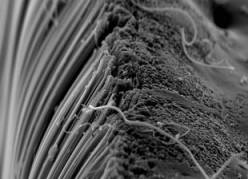 In
a warning to the emerging nanotechnology industry, a new study of the
by-products discharged to the environment during production of carbon
nanotubes (CNTs) has identified cancer-causing compounds, air pollutants,
and other substances of concern. In
a warning to the emerging nanotechnology industry, a new study of the
by-products discharged to the environment during production of carbon
nanotubes (CNTs) has identified cancer-causing compounds, air pollutants,
and other substances of concern.
4 Sept 2007
US FDA lacks resources to
regulate nanotechnology
The US Food and Drug Administration (FDA) has released a report
recommending action to address the benefits and risks of
nanotechnology. But according to the Project on Emerging
Nanotechnologies the agency has been under-resourced for decades and
there is a lack of risk-research data on nanotechnology for the
agency to be able to carry out the recommendations. 21 August 2007
US environment agency criticised
for lack of action on health risks of nanomaterials
The US Environmental Protection Agency's voluntary Nanoscale
Materials Stewardship Program has been labelled "too little, too
late" by Environmental Defense. 14 August 2007
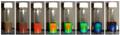 New
displays possible from colour-changing magnetised liquid New
displays possible from colour-changing magnetised liquid
Researchers at the University of California, Riverside (UCR) have
discovered that it is possible to change the colour of a liquid
consisting of very small particles of iron oxide suspended in water
simply by varying the strength of a magnetic field. 25 July 2007
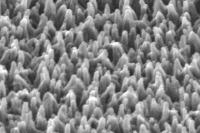 Transparent
nano-fibre film can be designed to conduct electricity, repel dirt,
attract oil Transparent
nano-fibre film can be designed to conduct electricity, repel dirt,
attract oil
A new technique for making a films of tiny plastic fibres with
customisable properties could lead to new products as diverse as
transparent electronic devices, self-cleaning surfaces and
biomedical tools that manipulate strands of DNA. 19 July 2007
 Bacteria
place nanoparticles in cells to aid diagnosis or treatment Bacteria
place nanoparticles in cells to aid diagnosis or treatment
The natural infection mechanism of bacteria can be used to deliver
nanoparticles carrying drugs, DNA or sensors into cells for precise
diagnosis or treatment of disease. 19 June 2007
Concentrating viral particles in
electric field could lead to rapid virus detector
Engineers in the US have solved a critical bottleneck in the
transport and capture of virus nanoparticles, making possible a
device that could rapidly sample and detect infectious biological
agents, such as viruses. 9 May 2007
Debiotech and STMicroelectronics
in partnership to manufacture microfluidic insulin pump
The nanopump, which relies on microfluidic MEMS
(micro-electro-mechanical system) technology, is a breakthrough
concept that allows a tiny pump to be mounted on a disposable skin
patch to provide continuous insulin infusion. 1 May 2007
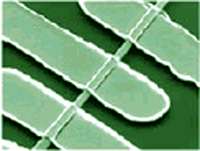 Zinc
oxide nanowires make ultrasensitive photo-detectors Zinc
oxide nanowires make ultrasensitive photo-detectors
The high sensitivity and high gain of zinc oxide nanowire arrays
could lead to new photo-detector architectures for sensing, imaging,
memory storage and intrachip optical communications. 30 April 2007
A vision of the future of nanotechnology
Nanotechnology can help to overcome some of the world's biggest challenges,
according to a new report, including the energy crisis, the need for better
medical treatments, and the demand for clean water. 27 April 2007
Microassembler for building micromachines
University of Illinois engineers have created a micro device that uses
agile, human-like fingers that can assemble micromachines made of
micron-sized parts. The device has potential to be refined to manipulate
parts and components for machines at the nano scale. 3 April 2007
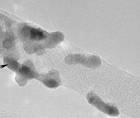 Platinum-coated
nanotube biosensor detects glucose in near real time Platinum-coated
nanotube biosensor detects glucose in near real time
Researchers at the University of Arkansas have fabricated a novel biosensor
that detects glucose in close to real time and with much greater sensitivity
than other comparable, biocompatible sensors. 21 March 2007
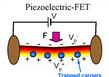 New
electronic devices and nanogenerators created from zinc oxide
nanowires New
electronic devices and nanogenerators created from zinc oxide
nanowires
Researchers used the unique semiconducting and piezoelectric properties of
zinc oxide nanowires to create a new class of electronic components and
devices that could provide the foundation for a broad range of new
applications, including devices safe for implanting in the body. 8 March
2007
Nanotechnology research neglects world's
poor
Nanotechnology has the potential to generate enormous health benefits for
people in the developing world, but there is little incentive to develop
suitable products. 6 March 2007
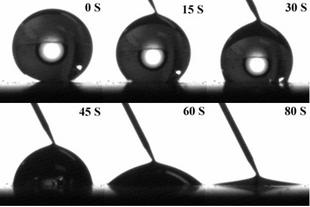 Electrically
controlled nanotube membranes produce powerful water filtration device Electrically
controlled nanotube membranes produce powerful water filtration device
Low voltages can precisely and selectively control the flow of water through
nanotube membranes. This could lead to a novel way to produce drinking
water, new biomedical research, and advanced circuitry. 2 March
Project to combine biology and engineering
to create soft-bodied robots
Researchers at Tufts University in the USA have launched a multidisciplinary
initiative focused on the science and engineering of a new class of robots
that are completely soft-bodied. These devices will make possible advances
in such far flung arenas as medicine and space exploration. 12 February 2007
Video game gives real-world experiences of
nanomedicine
NanoMission is a PC-based game that educates players about basic concepts in
nanoscience through real-world practical applications from microelectronics
to drug delivery. 16 Jan 2007
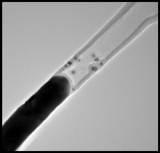 Carbon-metal
hybrid nanowires open door to new nanoelectronic devices Carbon-metal
hybrid nanowires open door to new nanoelectronic devices
Hybrid structures that combine the best properties of carbon nanotubes and
metal nanowires could lead to new applications in computer chips, displays,
sensors and other electronic devices.
9 Jan 2007
Nanotechnology safety in workplace
neglected
Little is known about the potential risks of nanotechnology even though
there are more than 400 products on the market. A strategic plan and more
resources for risk research are needed now in order to ensure safe nano-workplaces.
9 Jan 2007
Carbon nanotubes bridge nerve cells and
electronics
Carbon nanotubes that connect nerve cells to electronic circuits may lead to
new implantable biomedical devices that can act as artificial nerve cells,
control severe pain, or allow otherwise paralyzed muscles to be moved. 14
Nov 2006
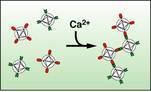 Magnetic
nanoparticles enable magnetic resonance imaging of neuron activity in brain Magnetic
nanoparticles enable magnetic resonance imaging of neuron activity in brain
New chemical sensors that indicate the firing of neurons in the brain and
show up strongly in magnetic resonance imaging will open the way for new
research into the way the brain works. 7 Nov 2006
Akubio wins £800,000 grant to develop
electronic hand-held disease detectors
UK nanotechnology firm Akubio has received a £826,000 government grant to
help develop its electronic technology for the rapid detection of viruses
and bacteria such as avian flu, E coli, malaria and meningitis. 24 Oct 2006
FDA will be overstretched by need to
monitor medical nanotechnology
Developments in medical nanotechnology are advancing at such a rate that the
US regulatory body, the Food and Drug Administration is unlikely to be able
to cope with the requirements to monitor them, according to a new report. 12
Oct 2006
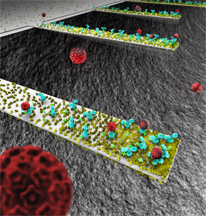 Silicon
'nanocantilevers' form ultrasensitive biological detectors Silicon
'nanocantilevers' form ultrasensitive biological detectors
The tiny vibrating silicon structures created by researchers at Purdue
University vibrate at different frequencies when contaminants stick to them,
revealing the presence of dangerous substances. 12 Sept 2006
Paris University to study medical
applications of NanoArrayer
The Université Pierre & Marie Curie (UPMC) in
Paris is evaluating the BioForce Nanosciences NanoArrayer system. The
University will use the NanoArrayer to pattern proteins associated with cell
morphology establishment and migration. 24 August 2006
Helium atom beams may provide new imaging
technique
A new system for delivering beams of helium atoms with X-ray-like waves has
potential for use in diffraction imaging at the nanoscale level. 17 August
2006
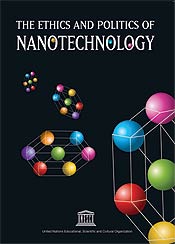 The
ethics and politics of nanotechnology The
ethics and politics of nanotechnology
UNESCO has published a report that assesses the ethical, legal and political
aspects of nanotechnology. It outlines what the science of nanotechnology
is, and presents some of the issues facing the international community in
the near future. 8 August 2006
 Solitons
could power molecular electronics and artificial muscles Solitons
could power molecular electronics and artificial muscles
Solitary waves travelling through organic polymers that flex in response to
ligh or electrical charge could power artificial muscles in high-tech robots
and human mobility aids. 18 July 2006
Microchip miniaturisation barrier could be
broken by nanotechnology
The University of Bath is to lead an international project that could remove
the electrical wiring in microchips, allowing denser circuitry, and result
in computers with 500 times the power of present day technology. 10 July
2006
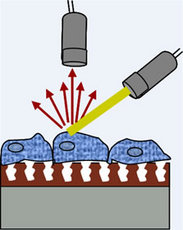
Liver cells in silicon crystals screen
drugs for toxicity
Researchers at the University of California, San Diego have developed a
'smart petri dish' that could be used to rapidly screen new drugs for toxic
interactions or identify cells in the early stages of cancer circulating
through a patient’s blood. 20 June 2006
Report on worldwide status of nanomedicine
MedMarket Diligence has released a report on the worldwide status of
development and market for micro- and nanomedicine. 9 June 2006
 SmartShirt
for remotely monitoring human vital signs SmartShirt
for remotely monitoring human vital signs
The SmartShirt from Sensatex can remotely monitor a wearer's movement,
heart rate, and respiration rate in real-time through a patented
nanotechnology conductive fibre grid that is seamlessly knit into the
material of the fully washable shirt. 18 May 2006
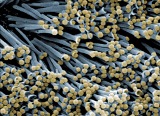 Cork
for nano tubes gives drug-delivery potential Cork
for nano tubes gives drug-delivery potential
Scientists at the University of Florida have found a way to “cork”
nano tubes. The goal is a better way to deliver drugs such as for cancer
treatment. 15 May 2006
Water key to millions of gigabytes of
memory in a cubic centimetre
A computing principle popular in the 1960s, ferroelectricity, combined with
the novel technique of insulation with water molecules, could provide
computer memory of 12.8 million gigabytes in a cubic centimeter. 12 May 2006
University College London launches
nanotechnology masters degree
University College London (UCL) is introducing a full and part-time
nanotechnology master of science (MSc) course from September 2006 in
response to mounting industry demand for highly skilled graduates. 9 May
2006
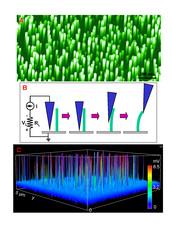 Zinc
oxide nanogenerators allow self-powered nanoscale medical devices Zinc
oxide nanogenerators allow self-powered nanoscale medical devices
Researchers have developed a new technique for powering nanometer-scale
devices without the need for bulky energy sources such as batteries. By
converting mechanical energy into electricity, these “nanogenerators” could
make possible a new class of self-powered nanodevices. 27 April 2006
International Congress of
Nanobiotechnology & Nanomedicine call for papers. 29 March 2006
NEC develops smallest fibre-optic electric
field probe using nanotechnology
NEC Corporation has developed what it claims is the smallest fibre-optic
electric field probe, enabled through the adoption of a nanotechnology
process. The probe is used to evaluate electrical characteristics of
high-density electronic circuits. 27 February 2006
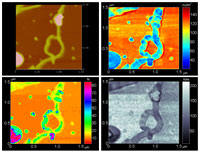 High-speed
molecular imaging microscope High-speed
molecular imaging microscope
Researchers at the Georgia Institute of Technology have created a highly
sensitive atomic force microscope (AFM) capable of high-speed imaging 100
times faster than current microscopes. It could have a wide range of uses in
nanotechnology development. 26 February 2006
Testing method developed to assess safety and
health risks of nanomaterials
Nanomaterials are already being used in sporting goods, tyres, stain-resistant
clothing, sunscreens, cosmetics, and electronics, but no government or industry
regulations exist for this emerging technology. University College Los Angeles
(UCLA) has developed a new testing strategy for manufacturers. 15 February
2006
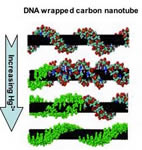 Carbon
nanotubes wrapped in DNA act as optical sensors in cells Carbon
nanotubes wrapped in DNA act as optical sensors in cells
The nanotubes can be placed inside living cells and detect trace amounts of
harmful contaminants using infrared light. This could lead to new types of
subcellular optical sensors. 3 February 2006
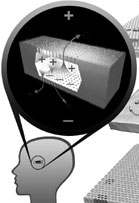 Nano-size
battery for artificial retina Nano-size
battery for artificial retina
A $6.5 million grant has been awarded to the University of Illinois to
establish the National Center for Design of Biomimetic Nanoconductors. One
of the first projects will be the development of a bio-battery for an
artificial retina. 31 January 2006
Nanotechnology shows little return for US$18bn investment
Nanotechnology has had limited commercial impact despite US$18bn public
funding worldwide since 1997, according to a report by Cientifica. 30
January 2006
Two international nanotechnology
conferences announced
International Association of Nanotechnology has announced two major
international conferences: the International Congress on Nanobiotechnology &
Nanomedicine (NanoBio 2006) in June and the International Congress of
Nanotechnology (ICNT) in October, both in San Francisco. 15 January
2006
Nanotechnology and nanomedicine course
online
The Association for Research in Vision and Ophthalmology (ARVO) has
launched its first online course, "Nanotechnology and Nanomedicine:
Applications for Vision". 10 January 2006
Protozoan power for nano-scale devices
A single-celled animal first observed 300 years ago could hold the key
to powering tiny medical devices. Researchers have come a step closer to
understanding how a powerful microscopic spring in the protozoan Vorticella
convallaria works. 18 December 2005
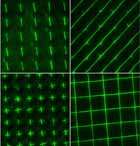 Nano-scale
medical devices could be wired with unravelled DNA strands Nano-scale
medical devices could be wired with unravelled DNA strands
Ohio State University researchers have uncoiled DNA strands and formed them
into precise patterns. They could act as wires in biologically based
nano-scale electronic and medical devices. 18 December 2005
Europe needs major investment in medical
applications of nanotechnology
The European Science Foundation (ESF) has called for a clear strategy and
investment plan to ensure Europe does not miss out on the benefits of
nanomedicine. 18 December 2005
La Fondation européenne pour la
science prévient que, sans investissements majeurs, nous perdrons les
avantages offerts par la nanomédecine. 19 Decembre 2005
La Fundación Europea de la Ciencia
advierte que los beneficios de la nanociencia se perderán sin inversiones
importantes. 19 Diciembre 2005
European Science Foundation warnt
davor, dass der Nutzen der Nanomedizin ohne grössere Investitionen verloren
geht. 19 Dezember 2005
More resources needed to study dangers of
nanotechnology
A new inventory of research into the environmental, health, and safety
aspects of nanotechnology shows the need for more resources, for a coherent
risk-related research strategy, and for more collaboration. 18 December 2005
|