|
Strength of repaired cruciate ligament can be evaluated using new
imaging process
A new imaging technique using magnetic
resonance tomography can evaluate precisely both the load-bearing
capacity of the "new" cruciate ligament and the risk of a renewed
rupture. 8 Mar 2015
Checklist to spot elderly patients most at risk of death
Australian doctors have developed a checklist for identifying elderly hospital patients likely to die within three months. The list has been published in BMJ Supportive & Palliative Care.
3 Feb 2015
Time spent on electronic devices linked to teen sleep problems
The time spent looking at screens throughout the day and before
going to bed is directly related to poor quality sleep according to
a large study of teenagers published in the online journal BMJ Open.
30 Jan 2015
Moderate alcohol intake linked
to reduced risk of heart failure
Drinking moderate amounts of
alcohol — a small glass of wine or half a pint of beer a day — is
associated with a 20% lower risk of men developing heart failure and
a 16% reduced risk for women. 20 Jan 2015
Walking in groups improves
fitness, health and mental health
Joining a walking group is
one of the best and easiest ways to get wide ranging health
benefits, with virtually no side effects, according to a study
published online in the British Journal of Sports Medicine. 20 Jan
2015
Philips launches V680 critical care
ventilator in Europe
Philips has launched in Europe the V680
ventilator for hospital respiratory care, offering both invasive and
non-invasive ventilation. 7 Jan 2015
Working night shifts increases
all-cause and cardiovascular disease mortality
A 22 year
study of nurses in the US found that rotating night shifts for five
or more years increases all-cause and CVD mortality and those
working 15 or more years of rotating night shift work had an
increase in lung cancer mortality. 6 Jan 2015
Experimental drug helped cure
doctor who contracted Ebola in Sierra Leone
A doctor who
caught Ebola while in charge of a treatment unit in Lakka, Sierra
Leone was treated with an experimental drug called FX06 along with
other intensive care and recovered. 5 Jan 2015
Steerable device helps
insertion of emergency breathing tube
Researchers at
Nottingham Trent University
and
Nottingham University Hospitals NHS Trust have developed a
low-cost steerable device using used smart materials to help doctors
insert a life-saving breathing tube into a patient’s windpipe in
emergency situations. 19 Dec 2014
Increasing breastfeeding in UK could save NHS £40 million per year
Increasing the number of mothers who breastfeed and for longer
could could save the NHS more than £40 million, according to
research carried out at Brunel University London. 5 Dec 2014
First patient implanted with Sequana
Medical's pump to remove excess lung fluid
Zurich-based
Sequana Medical AG has announced that the first patient has been
implanted with its pump to remove excess fluid around the lungs. A
patient at Hôpital Nord, Marseille, France, was implanted with the
company's pleurapump system. 27 Nov 2014
UK project extends trial of
offering gift vouchers to boost breastfeeding
A UK project aimed at boosting breastfeeding rates
by offering gift vouchers in areas with persistently low rates will
move to a large-scale trial in Staffordshire and Yorkshire. 21 Nov
2014
Shorter treatment for
tuberculosis improves success rate
Ten years of collaboration
between the Damien Foundation Belgium and the Institute of Tropical
Medicine in Antwerp (ITM) has produced a new treatment that could
revolutionise global tuberculosis control. 29 Oct 2014
New data on the global
economic impact and burden of preventable blindness
Novartis
and its eye care division, Alcon have introduced new data on World
Sight Day that highlights the economic impact and burden that
blindness and vision impairment can have on societies and
individuals across the globe. 28 Oct 2014
Ebola patient carers at risk
of infection when removing protective gear
A team of
American infectious disease and critical care experts have issued an
alert for clinicians caring for Ebola patients that how they remove
their personal protective gear can be just as crucial as wearing it
to prevent exposure to the deadly virus. 24 Oct 2014
Tenth of antibiotics
prescribed by GPs over 22 years fail to cure patients
A
22-year study by Cardiff University has found that more than one in
10 of all antibiotic treatments in a primary care setting failed.
This rate has increased and continues to rise. 26 Sept 2014
Sugar in diet depletes good
cholesterol
Scientists at the University of Warwick have
discovered that the ‘good’ form of cholesterol, HDL, is degraded by
a sugar-derived substance in the body. 8 Sept 2014
Avatars help deaf people to
understand online text and interact with websites
Computer
scientists from Saarbrücken, Germany are developing animated online
characters to display text from web pages in sign language. and help
deaf people communicate on online platforms via sign language. 29
Aug 2014
Electronic cigarette use by
youths doubles likelihood of going on to smoke tobacco
Youths
who have used e-cigarettes are more likely to report that they may
try conventional cigarettes, according to a study by Georgia State
University and the US CDC. 29 Aug 2014
Gecko Biomedical's Maria
Pereira named as MIT Technology Review Innovator
Gecko
Biomedical has announced that Maria Pereira, its Head of Adhesive
Technologies, has been named as one of MIT Technology Review's “35
Innovators Under 35” for 2014 for the development of a wound healing
glue. 19 Aug 2014
 Going beyond the pill — mhealth programme improves outcomes for COPD
patients Going beyond the pill — mhealth programme improves outcomes for COPD
patients
Feature: mHealth offers pharmaceutical companies the opportunity to go ‘beyond the
pill’ and deliver personalised health support to patients outside of a healthcare
setting. Digital health platforms can keep patients involved
in managing their care and adherent to their therapy and medication regimes. Mark Brincat, Director of Product Strategy, Exco InTouch.
11 Aug 2014
Bacteriophages could be new
tool to fight C. diff infections in hospitals
A
class of viruses called bacteriophages can infect and destroy the
bacterium Clostridium difficile, according to research at
the European Molecular Biology Laboratory (EMBL) in Hamburg,
Germany, and published in PLOS Pathogens. 4 Aug 2014
Symbiosis between gut bacteria
and immune system is key to health
The link between gut flora
and immunity to diseases is more complex than the general view,
according to research at the RIKEN Center. The immune system itself
plays a vital role in maintaining a healthy gut flora, not just the
other way round. 22 July 2014
Exco InTouch and AstraZeneca
develop ground-breaking mHealth system for COPD
Exco InTouch
has announced that a collaboration with AstraZeneca has produced a
ground-breaking mHealth program that improves condition management
for patients suffering from chronic obstructive pulmonary disease.
17 Jun 2014
Exercise boosts diversity of
gut bacteria
Exercise boosts the diversity of the bacteria
found in the gut, according to a study of professional rugby players
published online in the journal Gut. 11 Jun 2014
Sure Chill Company awarded $1.4 million to develop
portable vaccine cooling box
The company has been
awarded $1.4 million by the Bill & Melinda Gates Foundation to
develop an innovative long-life vaccine cooler for use in remote
undeveloped places. 21 May 2014
Smart skin patch wins French ‘Worldwide Innovation Challenge’ award
Rhenovia Pharma has announced that its SMARTT e-Patch project has
won an award founded by the
President of France to identify future champions in the French
economy. 28 Apr 2014
TI Pharma joins consortium in
€7.8m project tackling neglected parasitic diseases
An
international group of academic institutions and companies is
joining forces to develop novel drugs against parasites in an
EU-funded project led by VU University Amsterdam. 4 April 2014
Common sleeping pills and
anti-anxiety drugs linked to increase in mortality
A large
study by the University of Warwick has shown that several
anti-anxiety drugs and sleeping pills are associated with a doubling
in the risk of mortality. 1 April 2014
Long-term study shows vegetables and fruit are the key to long life
A study looking at eating habits and mortality in a large
population sample in England has shown that the more vegetables and fruit you
eat the longer you live. 1 April 2014
Philips launches sleep
promotion initiative
Philips has announced its Sleep Powers
initiative for 2014, in support of World Sleep Day, to promote
increased awareness of and education around the benefits of sleep
and the important role it plays in our well being. 20 Mar 2014
Stethoscopes have more
bacterial contamination than doctors' hands
University of
Geneva Hospitals has found the level of bacterial contamination on
the diaphragm of stethoscopes is greater than on doctors’ hands,
following a single physical examination. 24 February 2014
Interview: Child health
dependent on feeding babies the right amount of fat and protein
The EU-funded research project Early Nutrition aims to obtain hard
evidence that the diet of babies in the first months of life and of
the mother during pregnancy determines the health of the child later
in life. 14 Jan 2014
Continuing breast feeding when
introducing solid foods gives babies stronger immune system
Introducing solid food to babies while maintaining breast feeding
after the 17th week of birth could reduce food allergies in babies,
according to University of Southampton research. 14 Jan 2014
Dietary fibres protect the
lungs from asthma
Researchers at Lausanne University Hospital
have shown that fermentable fibres present in fruit and vegetables
start a chain reaction that enables the body to protect the lungs
from the inflammatory response in asthma. 10 Jan 2014
Eating nuts linked to longer
life and lower risk of diseases
A study tracking the diet of
over 100,000 men and women over 30 years has found that people who
ate a daily handful of nuts were 20% percent less likely to die from
any cause than were those who didn’t consume nuts.
Saturated fat is protective and
not cause of cardiovascular disease and obesity
Saturated fat
has been wrongly demonised as the cause of obesity and heart disease
since the 1970's when the evidence is just the opposite, argues a
cardiologist on bmj.com. 28 Oct 2013
Novartis Ultibro Breezhaler
approved by EC and Japan for treating COPD
Novartis has
gained EC and Japanese approval for its Ultibro Breezhaler to treat
various symptoms in adult patients with COPD. 26 Sept 2013
Decision-support tool reduces
deaths from pneumonia in emergency departments
A trial of an
electronic decision support tool that is linked to patients'
electronic medical records showed it helped to reduce deaths from
pneumonia in emergency departments by up to 25%. 12 Sept 2013
Light absorbing particles generate steam in cold water using sunlight
Light absorbing nanoparticles
dispersed in water can generate steam from sunlight with remarkable
efficiency and without needing to boil the whole container of water
(with video). 9 Sept 2013
Alcohol is greatest factor in onset of
early dementia
A study by researchers at Umeå University in Sweden has found that
the risk factor most strongly linked to the development of early
dementia is alcohol poisoning, which increased the risk
almost five times. 30 Aug 2013
Tunable Raman laser shines
light on new medical applications
The University of
Strathclyde has developed a high-performance Raman laser that can
produce light beams with more power and a wider range of colours
than current Raman lasers. 13 Aug 2013
Innovative neck support
developed for motor neurone disease patients
A collar that
comfortably supports the neck of motor neurone disease (MND)
patients and makes it easier to carry out common tasks has been
developed by a multidisciplinary team from Sheffield. 5 Aug 2013
Low frequency ultrasound accelerates healing of venous ulcers
Researchers at Drexel University have developed a small
electronic patch that delivers low-frequency, low-intensity
ultrasound to wounds to stimulate healing. 5 Aug 2013
Safe patient transitions reduce
hospital readmissions
A program developed by the US Society
of Hospital Medicine to reduce the number of patients readmitted
within 30 days has reduced rehospitalisation by nearly 14%. 29 July
2013
Many medical practices worse than
doing nothing
A new analysis published in Mayo Clinic
Proceedings has documented 146 medical practices currently in
use that have no benefit. 24 July 2013
Sir Andre Geim wins Copley Medal for
discovery of graphene
The Royal Society has awarded Sir Andre
Geim the Copley Medal for his contributions to science and in
particular his work on graphene. 25 July 2013
Robo-pets can improve quality
of life for dementia sufferers
Interaction with a robotic
companion can help people with mid to late stage dementia become
less anxious and also have a positive influence on their quality of
life, according to new research. 28 June 2013
NHS intensive care units
reduce bloodstream infection rates by 60%
Hospitals across
England reduced the rate of serious bloodstream infections in
intensive care units (ICUs) by following a series of basic
practices, research has shown. 28 June 2013
Simple tool could help GPs
more accurately assess musculoskeletal conditions
A simple
set of generic questions could help GPs more accurately predict the
likely progression of disease in patients with musculoskeletal
conditions, research funded by Arthritis Research UK has shown. 21
June 2013
Southampton hospital develops
training resource for anaesthetists in developing countries
A
pioneering video library to help train anaesthetists in developing
countries has been developed by the Department of Anaesthesia and
the Learning Support Team at University Hospital Southampton NHS
Foundation Trust. 29 May 2013
Department of Health provides
£260m for hospital electronic prescribing systems
UK Health
Secretary Jeremy Hunt has announced a new £260 million fund for
hospitals to implement electronic prescribing systems for improving
patient safety. 17 May 2013
Trial of patient
self-management fails due to lack of support from professionals
The processes to allow people to self-manage their own illness
are not being used appropriately by health professionals to the
benefit of their patients, new research suggests. 17 May 2013
Project to improve healthcare
in care homes
A three-year study led by the University of
Hertfordshire aims to improve the inconsistent delivery of
healthcare to care homes. 14 May 2013
Low cost tuberculosis
diagnosis will help developing countries
A combination of
simple clinical, radiological and laboratory tools can diagnose
smear-negative tuberculosis (SN-TB) better than current systems of
diagnosis. 14 May 2013
Antifungal therapy could help 5
million asthmatics
A new estimate of the global numbers suffering
from allergic bronchopulmonary aspergillosis (ABPA) shows an
estimated 4.8 million asthmatics could benefit substantially from
antifungal treatment. 14 May 2013
New type of fat cell
discovered
Humans have two kinds of brown fat cells according
to research at Sahlgrenska Academy in Sweden. The researchers call
the new type of brown fat tissue "classical brown fat". 8 May 2013
Subclinical overactive thyroid
associated with increased mortality
Having high thyroid
activity, and even “high-normal” levels, is a significant risk
factor for cardiovascular and all-cause mortality. 1 May 2013
Pan European telehealth project to
develop cookbook of co-ordinated care
The Advancing Care
Coordination and Telehealth Deployment (ACT) program will explore
the organizational and structural processes needed to successfully
implement chronic disease management services on a large scale. 30
Apr 2013
Western diet reduces health in
older age
A Western-style diet reduces the chance of having
good health and higher functionality in older age, according to a
15-year study of British adults. 25 Apr 2013
Simple drinking device for
hospital patients wins Queens Award for Enterprise
Hydrate
for Health Ltd has won a Queen’s Award for Enterprise for 'The
Hydrant' a simple, hands-free, drinking system designed to prevent
dehydration in patients in hospital and other settings. 25 Apr 2013
Novartis joins Malaria No More
in campaign to eliminate malaria
Novartis and the charity
Malaria No More have announced that they will work together to
accelerate progress in the fight against malaria in a campaign
called the Power of One. 25 Apr 2013
SoundCure launches Serenade tinnitus treatment system in the UK
SoundCure has
launched the Serenade tinnitus
treatment system that offers tinnitus sufferers potential relief
using S-Tones. 22 Apr 2013
Royal Cornwall Hospitals meet CQUIN
targets for dementia care
The Trust is to become one of the
first in the UK to exceed all its Commissioning Quality for
Innovation (CQUIN) targets for dementia care. 22 Apr 2013
Groundbreaking map of London's
19th century cholera outbreak digitised
A student from the
University of Southampton has digitised data from 19th century
epidemiologist John Snow’s famous map of London cholera outbreaks,
transferring the lifesaving information to modern day street
layouts. 22 April 2013
AstraZeneca and Exco InTouch
to develop chronic disease management tool
The companies have
announced a joint programme to develop interactive mobile phone and
internet-based health tools to help patients in the UK and their
healthcare providers to track and manage chronic conditions. 26 Mar
2013
Philips introduces graphical
dashboard for ICU management
IntelliSpace eCareManager 3.9
health care platform, powered by Orb is a new graphical dashboard
that is actuated by over 100 clinical rules, to analyze, process and
visualize complex clinical data in real time.
Disruption of body clock linked
to diabetes, obesity and heart disease
For the first time a
study has shown that insulin production follows the body’s circadian
rhythm and disruption of this can increase the risk of obesity,
diabetes and heart disease. 24 Feb 2013
Rise in TB infection
rates could “turn clock back to 1930s”
Tuberculosis looks set to defy concerted efforts to
treat it successfully with powerful drugs, warn
the editors of the journal Thorax in a special themed
issue to mark World TB day on March 24.
ASA recommends
60-minute limit for door-to-needle time for stroke
sufferers
People having an ischemic stroke should
receive clot-dissolving therapy, if appropriate, within
60 minutes of arriving at the hospital, according to new
American Stroke Association guidelines. 7 Feb 2013
Providing physiotherapy advice by
phone gives equal results and reduces waiting times
The
service, based on initial telephone assessment, has the ability to
provide faster access to the service and cut waiting times, a study
published on bmj.com suggests. 30 Jan 2013
Philips and University of
Malaya to establish centre for sleep disorders
South East
Asia’s first excellence centre for sleep disorders will be
established at the University of Malaya Specialist Centre (UMSC) in
collaboration with Philips Malaysia. 23 Jan 2013
Increase in young people
suffering from inflammatory bowel diseases
In Europe, about three million patients suffer
from the inflammatory bowel diseases crohn’s disease and ulcerative
colitis, with a peak occurring between the ages of 20 and 30. 23 Jan
2013
BD Emerald syringe reduces
medical waste
BD has launched the BD Emerald, a syringe for
general medication preparation and delivery, which also uses less
material so reduces medical waste. 10 Jan 2013
Alcohol-impregnated
disinfection cap reduces central line infections
Central
line-associated bloodstream infections (CLABSI) dropped by 52%when
an alcohol-impregnated disinfection cap was used instead of standard
scrubbing protocol, according to a new study. 9 Jan 2013
Hydrogen peroxide vapour effective in
preventing spread of hospital infections
Hydrogen peroxide
vapour dispensers operated in rooms after routine cleaning reduced
the 'superbug' infection rate in patients by 64%, according to a
study at The Johns Hopkins Hospital in the US. 3 Jan 2013
Sleeping pills have questionable
clinical effectiveness
A major study of clinical trial data
that had been submitted by pharmaceutical companies to the US Food
and Drug Administration shows that half of the benefit of taking
sleeping pills comes from the placebo effect. 20 Dec 2012
Portable pollution sensor
displays air quality data on user's smartphone
The device,
called CitiSense, could
be particularly useful to people suffering from chronic conditions,
such as asthma, who need to avoid exposure to pollutants. 18 Dec
2012
New website helps healthcare
organisations reduce risk of sharps injuries
BD has launched
a website to help healthcare workers and their organisations comply
with the EU Directive on the prevention of sharps injuries. 10 Dec
2012
Quality of French men's semen
falling
The concentration of sperm in French men’s semen was
in steady decline from 1989-2005 and there has been a decrease in
the number of normally formed sperm. 6 Dec 2012
Copper and copper alloy surfaces
reduce infection by antibiotic-resistant bacteria
Rapid
death of both antibiotic-resistant strains and destruction of
plasmid and genomic DNA was observed on copper and copper alloy
surfaces. 4 Dec 2012
Stresses of rocket launch
and landing produce changes to immune system
Immune system
development is affected by gravity changes experienced during rocket
launch and landing, which disrupts the body’s natural defences
against infection. 26 Nov 2012
Philips
announces 500th order for Ambient Experience hospital installation
Philips has announced that the San Joaquin Community
Hospital, California, has ordered a Big Bore CT treatment planning
room with Ambient Experience for its new Cancer Center. 21 Nov 2012
BD launches new
Safety Blood Collection Needle in Europe
The BD Vacutainer
Eclipse Signal Blood Collection Needle has single-handed activation,
integrated holder and a new flashback chamber, giving healthcare
workers immediate confirmation of venous access, whilst also
reducing the potential for sharps injuries. 31 Oct 2012
Exercise is the
best way to keep the brain healthy in old age
People who
exercise later in life may better protect their brain from
age-related changes than those who do not, MRI scans of the brain
shows. 26 Oct 2012
Clinical trial
of weight loss using genetics-determined diet and lifestyle
Pathway Genomics has announced a clinical trial with the Veterans
Affairs San Diego Healthcare System that will investigate if weight
loss can be improved by using genetic analysis to determine the most
suitable individual diet and exercise regime. 3 Oct 2012
AQAI Simulation Centre Mayence optimises training
in use of anaesthetics
Medical products supplier Baxter is co-operating with AQAI to train medical staff in the Middle East
to use its anaesthetic. 24 Sept 2012
Aviation monitoring system
adapted to assess vital signs of critically ill patients
Researchers from Manchester and Lancaster are investigating whether
system monitoring tools pioneered in aviation security can be used
to help prevent complications in patients after surgery. 21 Aug 2012
Natural areas in hospitals
promote healing
The design and landscaping of hospital green
areas in accordance with the needs of patients, staff and doctors
can have a health-promoting effect, according to a study by the
Medical University of Vienna. 16 July 2012
Tinnitus relief technology is
chosen for Make it in Great Britain competition
The
University of Leicester has been selected as a finalist in a
nationwide competition to seek out the UK’s next big pre-market
products. 16 July 2012
Miniature gas pump uses ultrasound for silent operation
A revolutionary miniature
gas pump that replaces mechanical operation with ultrasonic pressure
generation is much smaller than traditional pumps and runs silently. 16
July 2012
Philips Respironics SimplyGo portable
oxygen concentrator launched in UK. 12 July 2012
Boosting blood system protein
complex protects against radiation toxicity
Boosting a
protein pathway in the blood-making system in the bone marrow
protects mice from otherwise fatal radiation poisoning and could
lead to new treatments. 27 June 2012
Lack of action on COPD as big
a threat as global financial crisis
In the run up to World Spirometry Day on 27 June
the European COPD Coalition (ECC) is calling on
policy makers across Europe to recognise that chronic diseases such
as COPD, present as great a threat as the global financial crisis,
and is urging collective international action. 22 June 2012
Gut bacteria regulate immune system and imbalance triggers rheumatoid arthritis
Genome sequencing has
been used to show that the balance of bacteria in the human gut play
a significant role in rheumatoid arthritis. 19 June 2012
Medical apps give insight into
joint problems
Educational app developer 3D4Medical has
released new versions of their Pro creations for knee, hip,
shoulder, ankle & foot, and hand and wrist study. 7 May 2012
Key cellular mechanisms
behind the onset of tinnitus identified
Research into hearing
loss after exposure to loud noises could lead to the first drug
treatments to prevent the development of tinnitus. 16 May 2012
Sharps Terminator destroys
syringe needles immediately after use
The device destroys the
needle shaft in a single-handed action leaving the user with only
the plastic syringe. 14 May 2012
Sunlight and air powers
device for producing sterile water
Researchers at the University of Hull are developing a
device aimed at remote communities where conventional systems using
chemicals or electricity are not a viable option. 6 May 2012
Philips and the World
Association of Sleep Medicine raise global awareness of the
importance of sleep
This year’s theme, Breathe Easily, Sleep
Well, centred on raising awareness of sleep disorders that affect a
person’s breathing, such as obstructive sleep apnoea (OSA). 18
Apr 2012
Linoleic acid is novel therapy for Crohn's disease
Conjugated
linoleic acid (CLA), a naturally occurring compound found in meat
and dairy products, can improve symptoms of Crohn's disease when
given as a supplement,
according to a new study. 23 Mar 2012
Management of glaucoma
improved by measurement of eye pressure at home
A study by
Duke Eye Center has found that it is feasible to measure intraocular
pressure of children with glaucoma at home using a tonometer. 7 Mar
2012
Common prescribed sleeping
pills linked to fourfold increased risk of death
A study of
over 30,000 patients has found that a number of commonly prescribed
sleeping pills are associated with a more than fourfold increased
risk of death even at low doses. 28 Feb 2012
First implantable wireless
programmable microchip for controlling drug delivery
MicroCHIPS, Inc. has published the results of the first successful
human clinical trial with an implantable, wirelessly controlled and
programmable microchip-based drug delivery device. 24 Feb 2012
UCL spinout takes nano-enabled
pain therapy to international markets
Support by the UK
NanoKTN has helped UCL School of Pharmacy spin-out Nanomerics to
take its patented nano-enabled therapeutic technology to
international markets. 20 Feb 2012
Phosphate additives in food cause artery damage and
premature
aging
There is increasing evidence that an elevated level of phosphate in
the blood not only promotes calcification of blood vessels and
bodily organs but also upsets a complex hormonal system involved in
regulation of phosphate in the body. 15 Feb 2012
Phosphate additives in food cause artery damage and
premature
aging
There is increasing evidence that an elevated level of phosphate in
the blood not only promotes calcification of blood vessels and
bodily organs but also upsets a complex hormonal system involved in
regulation of phosphate in the body. 15 Feb 2012
First patients suffering
from severe emphysema treated with InterVapor
The first
commercial use of Uptake Medical's system for endoscopic lung volume
reduction in emphysema, was made in Germany last November. 27 Jan
2012
Omega-3 oil supplement may
help prevent post-traumatic distress
A study published in the
journal Psychotherapy and Psychosomatics suggests that
omega-3 fatty acid can help prevent the psychological consequences
of a traumatic accident. 23 Jan 2012
Thermo Fisher Scientific launches
fully automated test to tell IBS from IBD
Thermo Fisher
Scientific Inc. has announced the availability of EliA Calprotectin,
the first fully automated test for faecal calprotectin. 19 Jan 2012
Hypothermia treatment for cardiac
arrest underused in US hospitals
Therapeutic hypothermia has
been proven to reduce mortality and improve neurologic outcomes
after a heart attack, yet it was rarely used in a sample of more
than 26,000 patients, according to a new study. 6 Jan 2012
Almac outlines rapid response for drug distribution in German E
coli outbreak
Almac has outlined its response last year to an urgent request
from its client partner, Alexion Pharmaceuticals, Inc. for packaging and
distribution of Soliris (eculizumab) for patients with STEC-HUS during
the E. coli outbreak in Germany earlier this year. 5 Jan 2012
Fifty years of ibuprofen
celebrated at BioCity Nottingham
Ibuprofen, the family pain
medicine which is now one of the world’s best known medicines, was
discovered fifty years ago a team of Nottingham-based scientists. 21
Dec 2011
Better treatment for
underactive thyroid is focus of EU-funded study
The Thyroid
Hormone Replacement for Subclinical Hypo-Thyroidism Trial is
investigating current treatment practices for people who suffer from
a mildly underactive thyroid gland. 21 Dec 2011
Inner cooling reduces heart and brain damage after MI, cardiac arrest
and stroke
The Philips Inner Cool RTx system provides a rapid method of
cooling the body from the inside. The RTx system cools or warms patients with a unique integrated temperature sensor
catheter that circulates temperature-controlled fluid within the
catheter and adjusts the temperature of the blood near the heart. 17
Dec 2011
Strategies to study
lifestyle and genetic factors related to chronic diseases
A
group of scientists has examined the challenges associated with
chronic inflammatory diseases, and described 10 key areas with the
highest priority for research. 13 Dec 2011
Philips
HealWell lighting system improves sleep for cardiac patients in
hospital
Patients in rooms with a new lighting system sleep
better, according to research on the effect of light on the
sleep-wake rhythm of cardiac patients. 7 Dec 2011
BD launches a new generation
of disposable auto-injectors
BD Medical has launched the BD
Physioject disposable auto-injector. for self-injection of drugs by
patients suffering from chronic diseases. 6 Dec 2011
Smart Solutions winners
chosen by North West NHS Innovation Service
Medical experts
in Liverpool, Tameside and Warrington are to play a key role in
testing three new medical devices chosen as winners of the Smart
Solutions for Healthcare competition. 20 Nov 2011
Cambridge Consultants
creates novel drug auto-injector
Technology design and
development company Cambridge Consultants has announced that it had
created a novel auto-injector concept that has been ergonomically
designed to be easy to hold and use. 20 Nov 2011
Smoking and obesity during pregnancy
linked to child obesity
Researchers can predict which
children are most likely to become obese by examining their mothers'
behaviour around their birth. 20 Nov 2011
Cerner shows how technology
can deliver world class healthcare at lower cost
At the
‘British Experience in Technology for Health’ conference in
Barcelona, Cerner detailed how technology can help people take
more control of their healthcare deliver better care at reduced
cost. 14 Nov 2011
Aerte launches revolutionary
free-radical based air disinfection device
Aerte's AD 2.0 is
specifically designed and proven to continuously eliminate airborne
healthcare associated infections (HCAI) in clinical settings —
including MRSA, C difficile and Norovirus. 14 Nov 2011
Ultrasonic tap nozzle gives
revolutionary cleaning power to water
The nozzle generates
bubbles and ultrasound that travel down the water stream and
generate the increased cleaning power of the water. 9 Nov 2011
AQAI launches TestChest
lung-heart function simulator
The AQAI Simulation Center
based in Mainz, Germany, has launched TestChest, a device that
simulates the functioning of the extremely complex lung and
heart-lung functions in humans. 7 Nov 2011
The Velcro Companies exhibit
innovative solutions at Medica
Products are used in a wide
range of applications, from disposable, single-use devices, such as
patient gowns, surgical tubing and tracheostomy straps, to high-end
durable devices intended for long-term reuse. 3 Nov 2011
Philips opens centre for study of
healing environments
Philips has opened a dedicated research
facility at its Eindhoven-based Research Laboratories for studying
healing environments to accelerate and improve treatment outcomes. 1
November 2011
Lack of communication across
care settings puts elderly patients at risk
Effective
coordination across primary and secondary care settings is crucial
in the recovery of elderly people. Poorly executed transitions may
lead to poor clinical outcomes, inappropriate use of hospitals and
re-hospitalization. 26 Oct 2011
Principle Healthcare to
exhibit vitamin and mineral range at Medica
The company is
growing its portfolio of vitamin and mineral products for its
international distributors. 24 Oct 2011
New blood donor chair designed by
Renfrew Group International
A new blood donor chair designed
by RGi solves the problem of blood donors fainting while giving
blood. 24 Oct 2011
Nitric oxide improves recovery of patients in intensive care
High altitude experiments on Mount Everest have shown that
nitric oxide plays an important role in protecting the body from low
oxygen levels and indicates treatments to improve the recovery of
critically ill patients in intensive care. 23 October 2011
Renfrew Group design
temporary hospital side room for infection isolation
Renfrew
Group International (RGi) has has designed a Temporary Side Room to
provide isolation facilities and airborne infection control in
hospitals. 16 October 2011
Lung diseases cost EU
economy €100bn — urgent action needed
The European
Respiratory Society (ERS), has produced the European Respiratory
Roadmap that outlines key recommendations and respiratory health
priorities for the next decade. 2 Oct 2011
Merck Serono first to
launch application for Haselmeier's Axis-D injection pen
The
device allows self injection by patients of a ready-to-use
biopharmaceutical solution for injection. 2 Oct
Uptake medical's InterVapor
system for emphysema wins EU approval
The InterVapor System
was developed in response to the needs of patients with severe
emphysema and is designed to directly target the hyperinflation in
the lungs. 29 Sept 2011
Feature: Our genes say the best
diet is one third each of protein, fat and carbohydrate
What should we eat? The developed world is suffering from an obesity
crisis even though supermarkets have an abundance of products that
are supposed to reduce weight and the media is awash with advice on
dieting. But what if you could answer this question at a molecular
level? What if you could find out how our genes respond to the foods
we eat, and what this does to the cellular processes that make us
healthy, or unhealthy? 27 Sept 2011
Older people's brains not
slower but wiser than young brains
The brains of older people
are wiser than young brains and are not slower, but only react to
change when necessary. This strategy allows older adults to achieve
an equivalent level of performance. 26 August 2011
Low-power microwaves destroy
malaria parasites in blood
Penn State University researchers
have demonstrated that low-power microwaves can destroy malaria
parasites in the blood without harming blood cells. 19 August 2011
Southampton
University awarded £17m for nutrition and respiratory research
The funding has secured the future of the Southampton Centre for
Biomedical Research for the next five years. 19 August 2011
First drug to treat basic
defect in cystic fibrosis sufferers
An international research
team led by Queen’s University, Belfast, has developed a ground
breaking treatment for cystic fibrosis. The new drug will benefit
the 70,000 sufferers of the disease worldwide. 12 July 2011
Hertfordshire's humanoid robot
chosen as top research project in UK universities
The
University of Hertfordshire’s groundbreaking work on KASPAR, a
child-like robot it developed to help children with autism, has been
chosen as one of the most important research projects taking place
in UK universities. 4 July 2011
How to reduce carcinogens in the
BBQ
The grilling process and types of food cooked can mean
barbecues have high levels of carcinogens. Small changes to what and
how you grill can keep cancer off the menu. 4 July 2011
Metalic copper effective against new E. coli strains
A new study by the University of Southampton has found a role for
copper and copper alloy surfaces in preventing the spread of similar infections.
On a dry copper surface, the study shows 10 million E. coli bacteria
are eliminated within 10 minutes. 3 June 2011
New link between diet and
lifespan
A new role for a biological pathway that not only
signals the body's metabolic response to nutritional changes, but
also affects lifespan has been identified. 25 May 2011
Malaria vaccine trial starts
in Burkina Faso
Trials of a new candidate malaria vaccine
GMZ2 have begun in Burkia Faso.
The vaccine is a hybrid malaria vaccine composed of merozoite
surface protein (MSP3) and glutamate rich protein (GLURP). 17
May 2011
European partners to develop
nanocarriers to treat inflammatory bowel diseases
The
Delivering Nano-pharmaceuticals through Biological Barriers project
(BIBA) involves eight partners in France, Germany, Spain and
Switzerland. 20 April 2011
IPODD project discusses progress with
inflammatory bowel disease
Experts from 11 countries are
gathering in Rome this week (April 13-16) to discuss innovative
strategies for studying and treating inflammatory bowel diseases
(IBDs). 12 April 2011
UK population deficient in iodine
The UK population could be iodine-deficient according to a new study
of teenage girls. Iodine deficiency can affect brain development and
result in lower IQ. 12 April 2011
British Lung Foundation and
Philips Respironics to raise awareness of obstructive sleep apnoea
UK charity, The British Lung Foundation and Philips
Respironics, have partnered to create a three year programme that
aims to raise public awareness and improve diagnosis of obstructive
sleep apnoea (OSA). 11 April 2011
Movea markets 9-axis inertial
measurement device for health and sports
Grenoble-based Movea
has developed a wireless, miniaturised, inertial measurement unit
(IMU) that uses MEMS sensors to accurately measure nine
degree-of-freedom motion with a PCB module that is about the size of
a small wristwatch. 4 April 2011
IBM and IBN develop
biodegradable polymers that detect and destroy MRSA
Researchers from IBM and the Institute of Bioengineering and
Nanotechnology in Singapore have discovered new types of polymers
that physically detect and destroy antibiotic-resistant bacteria and
infectious diseases such as MRSA. 4 April 2011
Chemotherapy drugs kill malaria parasite
A class of chemotherapy drugs originally designed to inhibit key
signaling pathways in cancer cells also kills the parasite that
causes malaria. 15 March 2011
Europe-wide study of
relationship between food, hunger and brain
A €9 million
EU-funded project will bring together scientists from 19 European
labs to investigate how our body responds to food at different
stages in our lives. 7 March 2011
Safety checklist for infection
control reduces hospital deaths by 10%
A programme to
introduce a safety checklist when placing a central-line catheter
has virtually eliminated bloodstream infections in intensive care
units in Michigan and also appears to have reduced deaths by 10%. 7
March 2011
Nitric oxide in nanoparticles
increases survival after massive blood loss
Nitric oxide (NO)
carried in the bloodstream by nano-size particles could prove a
vital tool in maintaining blood circulation following massive blood
loss. 5 March 2011
Bioject to provide needle-free
injector for Global Polio Eradication Initiative study
Bioject Medical Technologies Inc, a developer of needle-free
injection systems, has announced its support for clinical research
of intradermal delivery of vaccines in developing-country
immunization programs. 22 Feb 2011
No advantage in infection
control from short-sleeved hospital garments
A study by
researchers at the University of Colorado has found no difference in
contamination of long- and short-sleeved shirts, or on the skin at
the wearers’ wrists after an eight-hour day. 21 Feb 2011
Potential new blood treatment
for severe H1N1 infection
A study published in the journal
Clinical Infectious Diseases suggests that convalescent
plasma may reduce the death rate in patients severely ill with 2009
H1N1 influenza. 31 Jan 2011
Philips announces new COPD
alliance and medical innovations at Medica 2010
Philips new
alliance is expected to result in better treatment access for
patients. It is also displaying innovations for operating rooms,
healing lighting, patient monitoring and cardiac ultrasound. 17 Nov
2010
Innovative hospital bed
combines ergonomics and infection control
An advanced acute hospital bed, that combines practicality,
infection control and advanced ergonomics is being showcased at MEDICA
2010 by Halifax company Sidhil. 12 Nov 2010
Phytoceuticals plant-based wound
dressing gains CE Mark
Phytoceuticalshas received CE marking for
its novel primary wound dressing, called "1", which is formulated from a
proprietary combination of two plant-derived oils, Neem oil and St.
John's Wort oil. 3 Nov 2010
Unnecessary referrals for glaucoma
could be avoided by use of 'gold standard' device
The use of a
'gold standard' device by community optometrists when measuring internal
eye pressure can cut needless referrals for suspected glaucoma,
indicates preliminary research published online in the British Journal
of Ophthalmology. 2 Nov 2010
Bernhard Dräger Award for research
on non-invasive respiratory monitoring
The Bernhard Dräger Award
for Advanced Treatment of Acute Respiratory Failure has been awarded to
Dr Jean-Christophe Richard from the Red Cross Civil Hospital in Lyon,
France. 26 Oct 2010
Maquet introduces NAVA for
non-invasive ventilation for patients
Maquet Critical Care has
introduced neurally adjusted ventilatory assist (NAVA) for non-invasive
ventilation in adult patients. 22 Oct 2010
Anaxsys launches respiR8
continuous respiratory rate counter
Surrey-based Anaxsys Ltd has
launched the first product based on its novel sensor technology,
respiR8, the world’s first continuous electrochemical respiratory rate
counter. 15 Oct 2010
Non-pharmacological therapies as
effective as drugs for Alzheimer's disease
An international study
has for the first time produced strong evidence for the effectiveness of
non-pharmacological therapies in improving the lives of Alzheimer's
sufferers. 23 Sept 2010
Hospital patients suffering more
pain than necessary
A study of hospitals in Germany has found
that over 80% of patients suffer more severe pain than necessary. 23
Sept 2010
Pain experts declare access to pain
management a fundamental human right
Pain management experts
from 84 countries have called for governments worldwide to recognize
the rights of people to access reasonable care for acute and chronic
pain. 15 Sept 2010
Intelligent wearable sensors to
monitor disease and diagnose problems
Researchers at the
University of Southampton are developing intelligent medical sensors
that can be worn by patients to monitor their symptoms and alert a
healthcare professional if medical intervention is needed. 23 June 2010
biolitec laser treatment gently
removes varicose veins
With the minimally invasive ELVeS PainLess
laser treatment from biolitec varicose veins are gently and painlessly
removed without leaving scars. 23 June 2010
Elephantiasis elimination
programme reaches 600m people in 2009
Lymphatic Filariasis (LF),
commonly known as Elephantiasis and one of the world's leading causes of
chronic illness, is on track to become one of the first parasitic
diseases transmitted by a mosquito to be eliminated worldwide. 15 June
2010
Riester upgrades range of
laryngoscopes
Riester has launched new blades and handles for
its range of Laryngoscopes. ri-dispo disposable laryngoscope blades and
new LED and plug-in handles make Riester Laryngoscopes much more
efficient and user friendly. 14 June 2010
Personal and agricultural
antibiotic use increasing resistant E. coli in Peruvian
children
Direct and indirect exposure of young children to
antibiotics through medical and agricultural usage can increase their
risk for carriage of antibiotic-resistant E. coli, which has
become a global health problem. 10 May 2010
Inhalable measles vaccine will
remove need for injections
A new form of measles vaccine in an
inhalable dry powder could remove the need for syringes, making
vaccination more acceptable to patients and safer. 7 May 2010
How nanosized particles may affect
skin care products
The rapidly growing field of nanotechnology
and its future use in cosmetic products holds both enormous potential
and potential concern for consumers. 16 April 2010
NHS NIC awards Frazer Nash medical
product development grants
Engineering consultancy Frazer-Nash
has been awarded a series of development grants by the UK NHS National
Innovation Centre (NIC) to develop innovative healthcare product
concepts to support the needs of NHS patients. 2 April 2010
First deployment of iMDsoft's ICU
software in Denmark
Gentofte University Hospital, Hellerup,
Denmark has chosen iMDsoft's MetaVision for its newly-built,
state-of-the-art, intensive care unit. 1 April 2010
Obesity overtakes malnutrition as
international health problem
For the first time in history the
number of people worldwide suffering from obesity now exceeds the number
suffering from hunger. This was the focus of a seminar at the University
of Reading. 26 March 2010
New device to improve safety and
accuracy of blood collection from fragile veins
BD Diagnostics
has launched the BD Microtainer MAP Microtube designed to improve the
safety, accuracy and turnaround time of capillary blood collection and
testing in patients with veins that can be difficult to access. 25 March
2010
Women and men suffer different diseases when travelling
For the first time, a connection has been made between gender
and sickness while travelling, in a study analysing data on nearly
60,000 patients over 10 years. 16 March 2010
Deutsch
ResMed launches CPAP sleep apnoea
therapy platform in Europe
The new S9 Series is expected to help
more sleep apnoea patients adhere to the treatment, but also help sleep
professionals make more informed decisions. 9 Mar 2010
Cool-Tel online monitoring system
protects vaccine cooling systems
For vaccines to be effective, it is important that they are stored
within the temperature range recommended by manufacturers. Cool-Tel
systems quietly monitor and record the temperature of pharmacy fridges,
or medicines in transit. 11 Feb 2010
Hyperbaric Oxygen Treatment Trust
launches online resource
The Hyperbaric Oxygen Treatment Trust, a not-for-profit, international
organisation, has launched a website as a global resource on hyperbaric
oxygen treatment for the public and medical professionals. 11 Feb 2010
New high performance ENT
instruments from Riester
Riester has launched a range of ENT (ear, nose, throat) diagnostic
instruments, the ri-scope L otoscopes and ophthalmoscopes. The
instruments feature Riester’s brand new LED technology that provides a
whiter light. 9 Feb 2010
New guide for intra-operative
fluid management
The Guide from the UK's NHS Technology Adoption Centre (NTAC) informs
clinicians, particularly anaesthetists, and managers how to successfully
implement intra-operative fluid management into routine clinical and
operational practice. 9 Feb 2010
Tissuemed partners with Sheffield
University to develop adhesive polymer technology
Surgical sealant film manufacturer Tissuemed Ltd is ponsoring a PhD
student from the University of Sheffield’s world leading Polymer Centre
to optimising adhesive polymer technology for different tissue
applications. 9 Feb 2010
MR spectroscopy can locate sperm
in infertile men non-invasively
Magnetic resonance spectroscopy can be used to determine if men with no
sperm in their ejaculate still have sperm in their testes. It may remove
the need for invasive procedures. 9 Feb 2010
Drinking beer can improve bone
strength
A new study suggests that beer is a significant source of dietary
silicon, a key ingredient for increasing bone mineral density. 8 Feb
2010
Brain research finds new
appetite-suppressing nutrient
A vitamin-like nutrient called citicoline could be the next weapon in
the battle against the obesity epidemic in developed countries. 21 Jan
2010
Coloplast offers online ordering
service for continence and ostomy products
Continence and ostomy care specialist Coloplast has launched an online
ordering site to give both healthcare professionals and users of its
products a new way of ordering. 19 Jan 2010
Use of disinfectants may promote
bacterial resistance to antibiotics
Using disinfectants could cause bacteria to become resistant to both the
disinfectant and also antibiotics they have not been exposed to,
according to research conducted by the University of Ireland. 13 January
2010
Garment-based electrotherapy system
for recovery from knee conditions
Mobilis Rolyan has launched in the UK a garment-based EMS (electrical
muscle stimulation) system, the Kneehab, which is designed to treat
thigh muscle wastage, or quadriceps atrophy. 17 Dec 2009
Zyomyx point-of-care test selected
for initiative to treat HIV/AIDS patients in developing countries
Zyomyx, Inc. has announced that its readerless CD4 point-of-care (POC)
technology was selected by Imperial College London’s CD4 Initiative as
the best-performing point-of-care test method for measuring CD4 T-cell
count in HIV/AIDS patients. 17 December 2009
World first cartilage treatment at
UK hospital
Spire Alexandra Hospital in Kent is providing a groundbreaking new
treatment for cartilage defects — the first of its kind worldwide.
The treatment enables damaged cartilage to be replaced by a specially
developed purified atelocollagen gel. 17 Dec 2009
Blood clot prevention measures will
prevent 25,000 UK hospital deaths a year
The UK Department of Health (DH) has made venous thromboembolism (VTE)
prevention mandatory for NHS trusts in the Operating Framework for the
NHS in 2010/11. 17 Dec 2009
iMDsoft launches MVexpress
anaesthesia system for European market
It supports and enhances the workflow from pre-op through intra-op to
the post anaesthesia care unit and generates a billable anaesthesia
record. 9 December 2009
Online tool for teaching medical
staff how to spot a sick child
Spotting the Sick Child is aimed at all front line
professionals in the field of child health and teaches the basic facts
and relevant examination of the seven commonest presenting complaints in
acutely ill children. 9 Dec 2009
Minimally invasive disc treatment
gives long-term relief from chronic back pain
A comparison of standard medication-based therapy to a minimally
invasive treatment called percutaneous disc decompression for painful
herniated disc revealed that while both treatments help patients in the
short run, only disc decompression kept patients pain free up to two
years later. 2 December 2009
Carbon monoxide monitors for
smokers show level of poison in blood
MD Diagnostics Ltd is exhibiting its carbon monoxide (CO) monitors for
measuring CO concentrations in smokers' breath at the Medica trade fair
this week. These new devices are crucial in highlighting the dangers of
the deadly habit. 17 Nov 2009
Signs of the times — fighting
infection with silver technology
A range of signs capable of killing 99.99% of ‘superbug’ bacteria will
be unveiled at Medica 2009 by British-based Centurion Europe. Its
pioneering range of ‘Biosigns’ uses silver ionisation to provide a
robust anti-microbial protection. 17 Nov 2009
Patient wristbands rolled out
across Europe
Brenmoor, whose printed identification wristbands are used in eight out
of 10 UK hospitals, is looking to roll out its products in Europe and
globally using trade fair Medica in Dusseldorf as a launch platform. 17
Nov 2009
 Investment
in global health is best way to save lives, say Bill and Melinda Gates Investment
in global health is best way to save lives, say Bill and Melinda Gates
In a joint speech to US policymakers this week, Bill and Melinda Gates
called for a global push to halve child deaths worldwide by 2025. They
made the case that US initiatives to fight AIDS, malaria, and other
diseases in poor countries are America's best investment for saving
lives. 30 Oct 2009
Health Robotics ships first IV
medication preparation robots to US and Spain
i.v.STATION represents a revolutionary approach in the quest for safe,
accurate, efficient, and cost effective intravenous and
ready-to-administer patient doses.
Antibody treatment for ulcerative
colitis reduces need for colon surgery
Ulcerative colitis patients had a 41% reduction in removal of their
colon (colectomy) after a year when treated with the artificial antibody
infliximab, according to a study led by Mayo Clinic. 27 Oct 2009
3M Drug Delivery Systems expands
with new Singapore lab
The Singapore lab will develop products in both the inhalation and
transdermal drug-delivery categories for pharmaceutical customers and
patients in the Asia Pacific region. 23 October 2009
US Army awards LiveData grant to
develop integrated clinical 'plug and play' patient safety system
The US Army Telemedicine and Advanced Technology Research Center has
awarded a $730,000 research grant to LiveData, Inc. to develop an
integrated clinical environment (ICE). The results are expected to
benefit patients throughout the continuum of care including improvement
in workflow, reductions in medical errors in particular and healthcare
costs in general. 14 Oct 2009
Diabetech selects Cinterion
wireless modules for GlucoMON diabetes management system
The 4th generation GlucoMON device uses Cinterion’s TC65 Terminal and
works in conjunction with Diabetech’s Automated Diabetes Management
System (ADMS), which helps manage and control blood glucose levels and
change behaviour to avoid potentially deadly consequences of diabetes.
14 Oct 2009
Baxter receives EC approval for
Celvapan H1N1 pandemic flu vaccine
Celvapan H1N1 is the first cell culture-based and non-adjuvanted
pandemic influenza vaccine to receive marketing authorization in the
European Union. 14 Oct 2009
Revolutionary fertility monitor
helps couples conceive without IVF
DuoFertility is a groundbreaking new fertility monitor developed by that
helps women to maximise their chances of conceiving naturally without
resorting to fertility treatment. 14 Oct 2009
Blindness in Nigeria set to rise 40% —
mostly preventable
By 2020, 1.4 million Nigerians over age 40 will lose their sight, and
the vast majority of the causes are either preventable or treatable,
according to the Nigeria National Blindness and Visual Impairment Study
Group.
Thailand HIV vaccine trial first to
show preventative effect
The world's largest clinical trial of an investigational vaccine regimen
has shown that it is well-tolerated and has a modest effect in
preventing HIV infection in strains present in Thailand. 25 Sept 2009
Pandemic flu H1N1 can cause more
severe lung infection than seasonal flu
Pandemic swine flu can infect cells deeper in the lungs than seasonal
flu, which may explain why people infected with the pandemic strain of
H1N1 influenza are more likely to suffer more severe symptoms than those
infected with the seasonal strain of H1N1. 21 Sept 2009
Large differences in cardiovascular mortality and national prevention
policies across EU
Research from a three-year programme to analyse cardiovascular health
and prevention policies in 16 European countries shows heart disease
remains the leading cause of death in Europe but there are huge
differences in both national prevention policies and levels
of cardiovascular mortality between countries. 21 Sept 2009
US FDA approves four vaccines for 2009 H1N1
influenza virus
The US Food and Drug Administration (FDA) has announced that it has
approved four vaccines against the 2009 H1N1 influenza virus. The
vaccines will be distributed nationally after the initial lots become
available, which is expected within the next four weeks. 21 Sept 2009
World-first swine-flu vaccine trial reveals one dose provides 'strong
immune response'
A clinical trial in the UK of Novartis MF59-adjuvanted cell-based A (H1N1) vaccine indicates that the vaccine is well-tolerated and one dose elicits
a strong immune response. 5 Sept 2009
3M introduces first electronic
stethoscope with Bluetooth wireless
3M has introduced the 3M Littmann Electronic Stethoscope Model 3200, a
next-generation auscultation device featuring Bluetooth technology that
wirelessly transfers heart, lung and other body sounds to computer
systems software for further analysis. 1 September 2009
The Gambia launches national
vaccination campaign against child-killing disease
The Gambia has launched a national immunisation programme with the help
of the GAVI Alliance to eradicate pneumococcal disease, one of the
leading causes of child death worldwide. 1 September 2009
Francais
Norovirus outbreak aboard cruise
ship eradicated by revolutionary vaporisation process
The cruise ship Marco Polo, whose round-Britain cruise had to be
cancelled because hundreds of passengers became ill with the vomiting
bug Norovirus, has been disinfected by SitexOrbis' revolutionary
infection control fogging service in just 5 hours at the Tilbury docks.
28 August 2009
Baxter completes production of
first commercial batches of A(H1N1) flu vaccine
Baxter International Inc. completed production of its first commercial
batches of Celvapan A(H1N1) flu vaccine using its proprietary Vero cell
culture technology in late July and is discussing plans for distribution
with national health authorities, subject to obtaining appropriate
authorizations. 20 August 2009
Formal education lessens impact of
Alzheimer’s disease
Researchers at the Department of Psychiatry, Klinikum rechts der Isar,
Technische Universität München have shown that education diminishes the
impact of Alzheimer’s disease on cognition even if a manifest brain
volume loss has already occurred. 20 August 2009
Britain conducts first swine-flu
vaccine trials
Britain’s first swine flu vaccine trials are taking place at the
Leicester Royal Infirmary using 175 volunteers. 20 August 2009
Germgard's room-temperature
surgical instrument sterilizer achieves three-minute cycle time
Germgard Lighting LLC of New Jersey has demonstrated a breakthrough
advancement of its gas-based, room-temperature surgical instrument
sterilization system. 20 August 2009
Elan's NanoCrystal technology
approved for long-acting injectable formulation
Elan Drug Technologies, a business unit of Elan Corporation has
announced the first approval of a long-acting injectable formulation
using its proprietary NanoCrystal technology. 9 August 2009
Dutch researchers discover way to
give complete protection against malaria
Researchers from the Medical Centre of the Radboud University of
Nijmegen have successfully induced complete protection against malaria
in a group of volunteers, opening the way for the development of a
vaccine. 29 July 2009
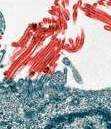 Swine
flu H1N1 virus more virulent than previously thought Swine
flu H1N1 virus more virulent than previously thought
In contrast with run-of-the-mill seasonal flu viruses, the H1N1 virus
exhibits an ability to infect cells deep in the lungs, where it can
cause pneumonia and, in severe cases, death. Seasonal viruses typically
infect only cells in the upper respiratory system. 23 July 2009
Blood glucose meter for kids
connects with Nintendo DS to help diabetes management
The Didget meter is designed to help kids manage this lifelong condition
by rewarding them for building consistent blood glucose testing habits
and meeting personalised glucose target ranges. 22 July 2009
Improper use of canes and walkers
causes 47,000 falls in US
The American Physical Therapy Association (APTA) is urging elderly
people who use canes and walkers as walking aids to be properly assessed
and fitted by a physical therapist to avoid fall-related injuries. 22
July 2009
EU project to assess the
cardiovascular and gastrointestinal risks of NSAIDs
The SOS project aims to assess the risk of cardiovascular and
gastrointestinal events among NSAIDs users to guide the selection of
NSAIDs that have minimal harmful side effects. 15 July 2009
Poorer countries with no access to
antivirals in pandemic could use generic drugs to prevent deaths
Almost 90% of the world’s population will not have timely access to
affordable supplies of vaccines and antiviral agents in the current
influenza pandemic, but it is possible that inexpensive generic drugs
that are readily available, even in developing countries, could save
millions of lives. 29 June 2009
UK tops list of 213 countries at
extreme risk to spread of swine flu
A Warwick Business School professor and one of the founders of global
risks specialist, Maplecroft, has released three new maps and indices
revealing the countries most at risk from an influenza pandemic. 29 June
2009
Cancer screening fear is fuelled by
lack of information
Fear plays a major role in whether women decide to go for cancer
screening or not, but healthcare providers underestimate how much women
need to know and wrongly assume that they will ask for information if
they want it. 29 June 2009
sanofi-aventis donates 100m doses of
A(H1N1) flu vaccine to WHO
Sanofi Pasteur, the vaccines
division of sanofi-aventis
Group, will reserve 10 percent of its output for the WHO as a donation
to help address the influenza pandemic in developing countries. 18 June
2009
Covidien launches alarm management
system for Nellcor pulse oximeter
Covidien has announced the global launch of its Alarm Management System
for the Nellcor OxiMax N-600x pulse oximeter. It alerts hospital staff
to periods of desaturation and potentially worrisome signal patterns. 17
June
Genomic data shows swine flu
infectivity will increase but lethality will remain low
Boston-based biotech firm Replikins Ltd has analyzed the most recent
peptide genomic sequence data available and determined that the
infectivity of the H1N1 virus will increase markedly, while its
lethality will remain relatively low for the immediate future. 16 June
2009
Artificial liver using human liver
cells may extend lives
The first artificial organ for liver patients that uses immortalized
human liver cells, the Extracorporeal Liver Assist Device (ELAD), is
undergoing clinical trials in the US. ELAD is a bedside system that
treats blood plasma, metabolizing toxins and synthesizing proteins like
a real liver. 15 June 2009
Impaired vision costs billions in
lost productivity worldwide
Nearly 158 million people globally suffer with vision impairment
resulting from uncorrected refractive error, which can usually be
eliminated with a pair of eyeglasses and an eye examination. 15 June
2009
New rapid cognitive screening test
could help diagnose early Alzheimer's
A new cognitive test for detecting Alzheimer's disease is quicker and
more accurate than many current tests, and could help diagnose early
dementia, according to researchers at Addenbrooke's Hospital in
Cambridge. 10 June 2009
Diabetes care not improved by pay
incentives for primary care doctors
The care of patients with diabetes in the UK has improved over the last
decade, but this does not seem to be a direct result of the Quality and
Outcomes Framework — the scheme that rewards UK general practices for
delivering quality care. 5 June 2009
Spanish project develops microfluidic
chip for regulating diabetes
Scientists of the Electronic Technology Group of the University of
Seville (US) have completed the first phase of Mireia, a research
project to develop a microfluidic chip to monitor and medicate diabetes.
5 June 2009
MEMSCAP and OrthoMEMS team up to
develop biomedical sensor
MEMSCAP and OrthoMEMS have entered a multi-year strategic partnership
and development agreement to manufacture a MEMS sensor for the
assessment and treatment of mechanical low back pain. 5 June 2009
European online obesity survey
launched
With excess weight and obesity increasing across Europe at an alarming
rate, the online survey seeks to understand to what degree this is of
concern to European citizens and what steps we think should be taken to
address this pressing issue. 28 May 2009
Canopus BioPharma studies use of
statins for treating flu
Canopus BioPharma Inc. has commissioned a team of experts to assist with
its plans for major collaborations to license, manufacture and
distribute its H1N1 Swine flu statin antiviral. It is in negotiations to
initiate large scale clinical trials and gaining marketing approval. 28
May 2009
Clinical decision support system for
iPhone
Wave Medical has expanded its clinical decision support applications for
general practitioners, nurses, emergency doctors and medical students to
the iPhone and iPod Touch. 27 May 2009
Horiba Medical launches Pentra SAfe
for POC haematology
HORIBA Medical has launched Pentra SAfe to provide secure and remote
access to its bench top haematology analyser, the ABX Pentra 60 C+ in
point-of-care environments. 27 May 2009
Warning over 6-month time lag to
develop pandemic flu vaccine
Research from the University of Leicester and University Hospitals of
Leicester NHS Trust warns of a six-month time lag before effective
vaccines can be manufactured in the event of a pandemic flu outbreak. 11
May 2009
Swine flu having powerful impact in
Sweden
Sales of face masks are breaking records in Sweden. Before the outbreak
of the A(H1N1) flu in Mexico, few Swedes were concerned about pandemics,
previously unknown diseases, or diseases related to animals, such as mad
cow disease or BSE. 11 May 2009
Stem cell transplantation helps
diabetics become insulin free
The majority of patients with type 1 diabetes who underwent a certain
type of stem cell transplantation became insulin free, several for more
than three years, according to a new study. 8 May 2009
New TB vaccine clears important hurdle
An urgently needed new tuberculosis vaccine cleared a vital step in
testing, an important advance at time when a third of the world’s
population is believed to be have latent tuberculosis infection (LTBI),
which, when re-activated, can cause full-blown disease. 8 May 2009
Energex proposes HemoModulation
therapy for treatment of H1N1 swine flu
Energex Systems Inc. has announced that it has notified the FDA of its
interest in applying for an Emergency Use Approval that would permit the
company to offer its HemoModulation therapy for the treatment of
influenza type A(H1N1), otherwise known as swine flu. 8 May 2009
New rodent virus implicated in human
sudden infant death syndrome
Ljungan virus which was only discovered in the 1990s in rodents, has
been found in 11 of 12 cases of Sudden Infant Death Syndrome or (SIDS)
by investigators from Sweden and the USA. 8 May 2009
Medication Management Canada offers
decision support and electronic record system for pharmacists
The system provides pharmacists a clinical decision support system and
electronic therapeutic record to promote common practice standards,
document therapeutic outcomes, and improve patient care. 7 May 2009
PerkinElmer becomes exclusive
distributor for ID Biological Systems’ newborn screening sample
collection cards. 7 May 2009
Ventilator controlled by brain signals
helps infants in critical condition
Patient case reports from several hospitals show that a revolutionary
technique for assisted breathing by mechanical ventilation called NAVA
can improve the interaction between a child and the ventilator. 6 May
2009
Hospital infection control will be
critical in preventing spread of swine flu
The severity and extent of the current swine flu outbreak (now
officially named influenza A(H1N1) by WHO) are unknown, but the SARS
outbreak (severe acute respiratory syndrome) in 2003 taught that
rigorous infection control in hospitals may be key to limiting deaths
from any disease outbreak. 1 May 2009
Preparing for pandemic flu — guides
for families, businesses, healthcare providers
Trust for America's Health (TFAH) has re-issued its series of It's
Not Flu As Usual guides on pandemic flu preparedness for families,
businesses, medical providers, and community groups. The guides are
applicable to all countries. 1 May 2009
Swine flu could be a disaster for weak
public health systems in developing countries
A potential spread of swine flu to developing countries without adequate
means to track the outbreak or to treat those infected could prove
disastrous, says humanitarian agency World Vision. 1 May 2009
Smart material technology helps repair
skeletal malformations
Innovative technology developed in co-operation between the Electronics
Department of the Helsinki University of Technology (TKK) and the Orton
Invalid Foundation is a significant step in the repair of skeletal
malformations. 24 April 2009
McKesson acquires LMS Medical Systems'
perinatal information system
McKesson has strengthened its enterprise Horizon Clinicals solution with
the acquisition of LMS Medical Systems’ intellectual property for
obstetrics surveillance and archival capabilities. 23 April 2009
Cerus expands Intercept product line
with new set for platelets
Cerus Corporation has received CE mark approval for a new configuration
of its Intercept Blood System, allowing a single treatment procedure to
produce two pathogen inactivated platelet units for transfusion. 23
April 2009
Bioject gains US clearance for
Zetajet needle-free injection system
Bioject’s new Zetajet system offers an array of unique product features
and patient benefits that can provide highly competitive differentiation
to a wide variety of injectable market segments. 23 April 2009
St Mary’s Hospital unveils advanced
intensive care units
St Mary’s Hospital in London, has opened a leading-edge intensive care
unit that enables 24/7 patient observation and monitoring, automated
visitor management and videoconferencing between staff and consultants,
operated from the patient's bedside. 10 April 2009
The International Diabetes
Federation’s 20th World Diabetes Congress
The International Diabetes Federation (IDF) will organize its 20th World
Diabetes Congress this year in Montreal, Canada from 18-22 October. The
Congress is held every two years and is one of the world’s largest
medical congresses. More details about
the event and venue ... 9 April 2009
FluGen secures exclusive rights to
novel vaccine-delivery technology
Flugen Inc., has secured rights to vaccine-delivery technology being
commercialized by Ratio Inc. The easy-to-use, disposable micro-device
painlessly delivers seasonal and pandemic influenza vaccines. 7 April
2009
Intel and GE form $250m alliance to
develop home healthcare technology
GE and Intel Corporation have entered into an alliance to market and
develop home-based health technologies that will help the elderly live
independently and patients with chronic conditions manage their care at
home. 6 April 2009
Rats dying from type 1 diabetes
restored to health without insulin
Terminally ill rodents with type 1 diabetes have been restored to full
health with a single injection of a substance other than insulin. The
rats were given a single injection of the hormone leptin. 23 February
2009
Training the brain to avoid falls
Training people to avoid falls by repeatedly exposing them to unstable
situations in the laboratory helped them to later maintain their balance
on a slippery floor. The research could eventually help people,
including the elderly, for whom falling is an important health issue. 21
February 2009
WHO approves Coldpack Antifreeze
Vaccine Backpack for vaccine transport
Coldpack has announced that it has been designated by the World Health
Organization (WHO) as an approved vaccine transportation provider.
Coldpack was selected based on its AntiFreeze Vaccine Backpack’s
capability to help maintain and transport temperature-sensitive
immunizations. 16 February 2009
New online resource to support
children with type 1 diabetes
Sanofi-aventis US has announced the availability of the diabetes KidCare
Kit, a multimedia resource that will provide children and their families
with valuable tools and information to help guide them through the
difficult but crucial first 30 days following a diagnosis of type 1
diabetes. 12 February 2009
International collaboration to develop
ultrasound-activated drug-delivery nanoparticles
Nanobiotix, an emerging nanomedicine company has announced that it will
collaborate with the SonoDrugs project consortium to develop new
nanoparticulate drug carriers that can be activated for localized drug
release using focused ultrasound. 10 February 2009
Navigenics launches portal to give
doctors access to patients' genomic information
For patients choosing to receive a Navigenics service through their
physician, this portal allows the physician to integrate patients’
genetic information into personalized health plans designed to help
diagnose early or prevent a number of health conditions. 10 February
2009
TwistDx’s rapid test for MRSA winner
in NHS Smart Solutions Programme
TwistDx, a DNA diagnostics company based in Cambridge, UKI, has been
selected as a winner in a National Health Service competition to find
new ways to help combat healthcare associated infections (HCAIs). 10
February 2009
Sodium MRI shows arthritis long before
physical symptoms
Dr Garry Gold, an associate professor of radiology at the Stanford
University School of Medicine has improved an old imaging technology
called sodium MRI to diagnose osteoarthritis as long as decades before
the onset of physical symptoms. 9 February 2009
Philips and Immunetrics to combat
infectious diseases in critical care
Royal Philips Electronics and Immunetrics Inc. have entered into a joint
development agreement to explore new approaches to the growing problem
of infectious disease in critical care. 4 February 2009
Under-skin sensor to monitor blood
glucose of Type 1 diabetics
Diabetes experts based at Southampton General Hospital will fit the tiny
devices to participants' stomachs and use them in conjunction with
watch-like armbands, which will check participants' physical activity.
31 January 2009
Telehealth users forecast to exceed
55m worldwide by 2016
A new report from InMedica forecasts exceptional growth in the number of
telehealth subscribers over the next decade due to the increased use of
telehealth services for chronic disease management. 31 January 2009
Philips leads €15.9m project to
develop image-guided drug-delivery technology
By delivering drugs directly to disease sites via the patient’s
bloodstream that are then activated by focused ultrasound pulses, the
SonoDrugs project aims to maximize the therapeutic efficiency and
minimize the side effects of drug treatments for cancer and
cardiovascular disease. 31 January 2009
New Venture Partners and Unilever
Ventures invest in personalised weight management system
New Venture Partners LLC, the global venture capital firm dedicated to
corporate technology spinouts, and Unilever Ventures, the early stage
venture arm of Unilever, have jointly invested in MiLife, a company
focused on providing technology solutions for personalised weight
management. 25 January 2009
High power pocket ultrasound device
opens way for new therapeutic uses
A prototype of a therapeutic ultrasound device, developed by a Cornell
University graduate student, fits in the palm of a hand, is
battery-powered and packs enough power to stabilize a gunshot wound or
deliver drugs to brain cancer patients. 13 January 2009
Interactive report maps out useful
technology for the aging
The US Center for Aging Services Technologies (CAST) has released an
interactive version of its State of Technology in Aging Services
Report that lays out the categories of technologies that exist and
are under development to meet the needs of aging consumers and
highlights what companies are doing to serve this growing market
segment. 13 January 2009
Autism and schizophrenia show common
disorders in pregnancy
Dutch developmental psychologist Annemie Ploeger has demonstrated that
both mental diseases have similar physical abnormalities that are formed
during the first month of pregnancy. 8 January 2009
Bruker Daltonics introduces five
minute melamine food safety testing solution
Bruker Daltonics has released a robust, fast and highly sensitive
high-capacity ion trap HCT solution for the detection and quantification
of melamine and cyanuric acid (CA) by food safety laboratories. 8
January 2009
Neuromonics awarded $1m to study
tinnitus treatment for soldiers
Neuromonics, Inc. has been awarded $1 million from the US Department of
Defense to study the treatment of tinnitus among military service
members. Tinnitus is one of the top medical complaints for soldiers
returning from Iraq and Afghanistan, primarily due to excessive noise
exposure during combat. 7 January 2009
Cold-induced blood vessels could help
obese burn more fat
Mice exposed to low temperatures develop more blood vessels in their
adipose tissue and metabolise body fat more quickly. It could lead to
ways to control blood vessel development in humans to combat obesity and
diabetes. 7 January 2009
Eating dark chocolate at Christmas can
help prevent over-eating
Dark chocolate is far more filling than milk chocolate, lessening our
craving for sweet, salty and fatty foods, so can eating it may be an
efficient way to keep your weight down over Christmas, according to
research at the University of Copenhagen. 22 December 2008
|
