|
Applying big data analytics to
improve patient-centric care
The changing economic,
regulatory, technological and healthcare environment has given rise to a
strategic shift from product and physician-centric strategies to a
‘patient centric’ approach. Sumit Prasad of Mu Sigma discusses the
opportunities of this shift for the pharmaceutical sector. 7 Jan 2015
The barriers to tapping into Big
Content and how to overcome them
The healthcare sector,
like every other industry, is creating not just more data, but ever
increasing amounts of information on diagnoses, treatment options, new
medications, trials and research, as well as general health factors.
Jeremy Bentley, Chief Executive of Smartlogic takes a look at the
problems of making use of the unstructured side of Big Data. 5 Dec
2014
How big data is being used in healthcare today
We are being
bombarded from all directions with information about "Big Data" and how
it will change our lives, especially as it pertains to our health. But
what is Big Data, and how is it actually being used in the healthcare
system today? Uri
Laserson, Data Scientist, Cloudera. 21 Nov 2014
Protecting critical healthcare data
in the era of 'big data'
The Internet of Things, Big
Data and cloud storage have transformed the way in which data is
accessed, processed and stored. As a result, the pressure is on for all
organisations to develop a data-centric security approach. By Martin
Sugden, Managing Director, Boldon James. 21 Nov 2014
Going native with healthcare apps:
stepping back from the functionality cliff
Chris Watson,
Product Manager at Exco InTouch.
The use of health apps to monitor
patients' progress and to help them self-regulate their condition has
been growing dramatically across the globe. With this in mind, there has
been much debate of late about how to deliver public-facing healthcare
apps across different operating platforms (iOS - Apple, Android or
Windows8) to provide the best user experience. Oct 2014
Opinion: Supplementary Protection
Certificates urgently needed to compensate medical device developers for lost patent time
Dr Nicholas Jones,
partner and patent attorney at Withers & Rogers. Medical device
manufacturers should be compensated for the lengthy delays involved in
obtaining the necessary marketing authorisation to bring new products to
market. 3 Sept 2014
Opinion: In cardiology, Big Data
covers the ‘whole’ patient
Jeroen Tas, CEO Healthcare
Informatics Solutions and Services, Philips Healthcare.
This week’s ESC Congress in Barcelona has a lot of people
buzzing about the latest innovation and research in the field of
cardiology. From my vantage point, I’m most excited to see how Big
Data is being put to work to change the face of cardiac care. 29 Aug
2014
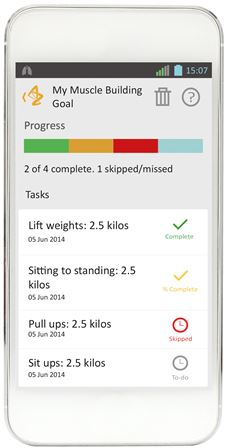 Going beyond the pill — mhealth programme improves outcomes for COPD
patients Going beyond the pill — mhealth programme improves outcomes for COPD
patients
mHealth offers pharmaceutical companies the opportunity to go ‘beyond the
pill’ and deliver personalised health support to patients outside of a healthcare
setting. Digital health platforms can keep patients involved
in managing their care and adherent to their therapy and medication regimes. Mark Brincat, Director of Product Strategy, Exco InTouch.
Supercomputers: powering medical
innovation to enable the industry to achieve more
Karen Padmore, Operations Director at High Performance
Computing (HPC) Wales, explains how supercomputing can be used to help
speed-up breakthroughs in medical research.
Personalising healthcare with technology
The products and services that support patients in managing their health
and diseases must be able to adapt in the real world to individual
patient needs. As technology develops we should be seeing a continual
evolution in dynamic and adaptive solutions that can support patients on
their individual ‘patient journeys’. By Mark Brincat. 2 May 2014
Nanofibres coming of age
Nanofibres have potential applications in a broad range of products and
with the maturing of the electrospinning manufacturing process some are
already commercially viable. The greatest potential for electrospun
nanofibres is in composite materials or multi-component constructions.
By Dr Barry Park, Professor Bob Stevens, Dr Gabriela Juárez Martínez. 21
April 2014
Who put the 'm' in mHealth?
mHealth is currently the topic of much discussion. The
problem is nobody really knows what it is, and nobody’s defined what it
is — everybody’s interpretation is different. So when you talk about
mHealth services people immediately put it into a box according to their
interpretation. by Keith Nurcombe. 28 Mar 2014
Child health dependent on feeding
babies the right amount of fat and protein
The EU-funded
research project Early Nutrition aims to obtain hard evidence that the
diet of babies in the first months of life and of the mother during
pregnancy determines the health of the child later in life. 14 Jan 2014
How mobile and digital technologies
engage patients and help achieve better outcomes
Increasing pressure on pharmaceutical companies and health providers to
achieve better health outcomes, combined with fierce competition, price
pressures and rapidly increasing R&D costs, have pushed the subject of
effective patient engagement to the top of the agenda. By Tim
Davis CEO and Co-founder, Exco InTouch.
Case study: Automated rostering helps Mount
Carmel Hospital maximise staff resources
Mount Carmel
Hospital in Dublin has replaced its traditional paper-based system for
producing staff rosters by implementing a computerised workforce
management system. 3 Dec 2013
Driving operational improvement with
joined-up healthcare data
Following the introduction of
the new NHS structures in England in 2013, the NHS still needs to find
additional cost savings, despite central health budgets being
ring-fenced. An integrated approach to data that engages both
commissioner and provider could deliver efficiencies without impacting
on staff, writes LOC Consulting’s Peter Osborne. 18 Nov
2013
Going paperless — what pressure will
this put on NHS IT?
Marc Stein of Dell
Software Group reviews the changes that
are taking place around paperless and mobile working, how the Caldicott
report supports this and the measures NHS organisations need to take to
keep up in the changing environment. 11 July 2013
Mind the security gap while adopting
electronic health records
The target set by UK Health
Secretary Jeremy Hunt, for digital information to be available across
NHS and social care services by 2018, stirred a debate about whether the
NHS is prepared to seamlessly transition to new digital records system
without exposing patient data to security risks. By Marc Lee,
Director EMEA, Courion. 10 April 2013
Reaching the end of the page: time to
replace the outdated bleep
The pager-based
communications system in hospitals is outdated, say Paul
Volkaerts and Debbie Guy, who explain why getting rid of the
‘bleep’ can help hospitals transform the way they deliver services and
improve patient care. 9 April 2013
The future of surgical robots and robot surgeons
Robots
have established a foothold in surgery but what role will they play 20
years from now? Most current surgical robots are teleoperated by
surgeons from a console. But new research points to very different
robotic surgical devices in the future — micro and nano devices. How
will surgeons interact with them? Can we expect to see surgical
robots-on-a-chip and surgery taking place outside operating rooms and
clinical environments without surgeon’s interaction? Dr Paula Gomes
of Cambridge Consultants answers the questions. 4 April 2013
Give nursing managers the teeth to do
their job
Evidence-based systems that highlight staff
shortages in real time will help directors of nursing and ward managers
to safeguard the quality of patient care and avoid risk, says
Tristan Spencer of Kronos. 20 March 2013
Can secure device management become
the heartbeat of the healthcare sector?
The IT industry
is experiencing a fundamental change in the way that technology is
consumed. This is largely due to the proliferation of tablet PCs and
smartphones across the private and now, public sectors, says
Jonathan Dale, Director of Marketing, MaaS360 by Fiberlink. 6
March 2013
The data challenge within the NHS
In January this year, the
UK Health Secretary Jeremy Hunt published
an ambitious timetable for a paperless NHS by 2018. Hunt described
it as ‘crazy’ that paramedics, for example, could not access the
medical records of a patient when an ambulance is called to an
emergency. Mikko Soirola, VP, Liaison Technologies
looks at the feasibility of achieving a paperless NHS within the
timeframe. 1 March 2013
New model needed for managing
long-term conditions
Clare Wexler, CEO, Totally Health,
examines why commissioners and patients must behave differently if care
pathways for the treatment of chronic disease are to improve, and why
integrated, innovative technologies must form part of the solution. 26
Feb 2013
Medical device software comes under
the microscope
More than 50% of existing medical devices depend on software
in some form or another — the software is either embedded in the devices
or plays an important role in the production of the device. The benefits
of software, however, come with the cost of risk of failure due to the
presence of defects, says the Institute of Medicine. There is typically a strong correlation between
code complexity and the number of defects in the software. 16 Nov 2012
Cloud computing is a key component on
the path to personalised medicine
When scientists embarked on the 13-year journey to map the
human genome in 1990, they envisioned a future where the knowledge of
DNA would aid in the diagnosis, treatment and even prevention of
thousands of diseases and disorders. James Coffin of
Dell Healthcare and Life Sciences explains how cloud computing can help
achieve this vision. 18 October 2012
Balancing act: prevention and
treatment in the doctor’s office 2050
As medical
treatments become more proactive and less reactive, visits to the
doctor’s office will continue to change. We’ve already seen a multitude
of technological improvements that make a healthcare visit less
stressful, but what could these visits look like in 2050?
Gillian Davies, Innovation & Technology Management Specialist
at Sagentia, explores. 15 October 2012
Case study: Finesse Medical
streamlines processes with business management solution
Finesse Medical needed a software solution that was geared towards full
integration, order processing, offered materials requirement planning
capabilities and that was flexible enough to support the company going
forward. 17 Sept 2012
New PET-MR scanner halves radiation
and improves resolution
Physicists at the University of
Oslo have created new medical imaging technology that combines PET and
MR in a more efficient way and reduces the radiation compared to current
technology. The technology was developed from particle physics research
at CERN. 31 August 2012
Igniting European biomaterials
collaboration
Medilink East Midlands was privileged
to host a recent meeting of the European Biomat-IN network which
proved an excellent opportunity for sowing the seeds for future
collaboration between SMEs in the field of biomaterials research and
commercialisation. 1 August 2012
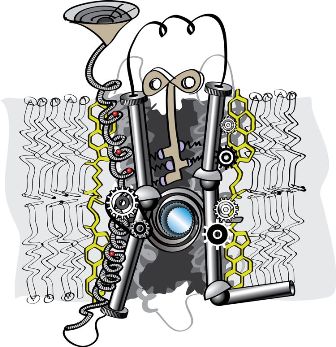 Medically
important cell membrane proteins reveal their secrets Medically
important cell membrane proteins reveal their secrets
A
series of scientific papers published this year by collaborations headed
by the Scripps Research Institute illuminate a large and medically
important family of proteins called G protein-coupled receptors (GPCRs).
26 July 2012
An open market will drive good value
for money in updating PACS in the NHS
Harry Wood talks
to Peter Harrison and Ronan Kirby of Siemens about the future of PACS in
the NHS in England following the end of NPfIT contracts. "PACS was a low hanging fruit
and was a relatively easy component for the NHS National Program for IT
(NPfIT) to deploy. For Siemens it was an interesting time as
originally we had actually put the first PACS into the UK."
more ... 3 April 2012
TLT makes early research breakthrough in foetal heart monitoring
Tarilian Laser Technologies, which has developed a unique sensor
platform for use in several healthcare applications and more
specifically blood pressure measurement, has now also innovated
further with the development of a ground-breaking early research
prototype for a new single optical foetal heart monitoring sensor.
23 Feb 2012
Medtech industry will start to change the delivery of its
communications in 2012
Tristan Jervis,
Director at De Facto Communications, explains how the
medtech industry, not unlike the pharma industry of 10 years ago, is
in the midst of a gradual reform of its modus operandi
to accommodate a changing economic model and cultural shift bringing
innovation closer to the patient. 22 Feb 2012
New technology can bring breast cancer
screening into the twenty-first century
In
October last year the UK announced the first independent review of the
breast cancer screening programme. Jack Kaye, CEO of Westhouse Medical Services, provides an insight
into breast cancer screening and analyses the options available for the
progression of the screening programme.
20
Feb 2012.
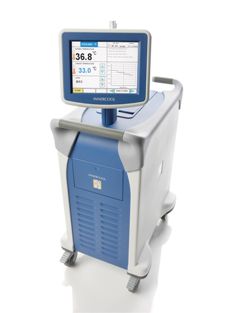 Inner cooling reduces heart and brain damage after MI, cardiac arrest
and stroke
Inner cooling reduces heart and brain damage after MI, cardiac arrest
and stroke
The Philips Inner Cool RTx system provides a rapid method of
cooling the body from the inside. The RTx system cools or warms patients with a unique integrated temperature sensor
catheter that circulates temperature-controlled fluid within the
catheter and adjusts the temperature of the blood near the heart. By
Harry Wood, Editor, MTB Europe. 17
Dec 2011
Tarilian Laser Technologies achieves greatest
technological advance in blood pressure measurement for 130 years
Tarilian Laser Technologies (TLT) has
invented a completely novel method of measuring blood pressure based
on an optoelectronic sensor. The sensor outperforms the current
“gold standard” for measuring blood pressure — the mercury
sphygmomanometer — and effectively makes the older technology
obsolete. The sensor can measure blood pressure on any part of the
body, including the eye without pressure on the eye or energy entering
the body. By Harry Wood, Editor, MTB Europe. 7 Dec 2011.
See video & read more..
Regulatory challenges in getting
medical devices ready for the market
By Rachael
Histed, Associate, DLA Piper. The current challenges faced by
the healthcare sector are creating a wealth of opportunity for
innovation in the medical devices industry. With tightening budgets, an
aging population and an impending shortage of healthcare professionals,
the healthcare industry is crying out for improvements in the diagnosis,
prevention, treatment and rehabilitation of illness and disease. 29
November 2011
New UK electrical wiring regulations
for medical and dental centres
The Institution of
Engineering and Technology (IET, formerly the IEE) has launched the IET
Wiring Regulations, 17th Edition, BS 7671:2008 incorporating Amendment
No 1: 2011. Jointly published with BSI, the amended IET Wiring
Regulations sets the standard for all new electrical installations in
the UK. Geoff Cronshaw, Chief Electrical Engineer at
the IET, highlights the key changes — which come into effect on 1st
January 2012 — and which are highly relevant to electricians working
within medical locations, particularly those involved in the design,
erection and verification of electrical installations.
Our genes say the best diet is one
third each of protein, fat and carbohydrate
What should
we eat? The developed world is suffering from an obesity crisis even
though supermarkets have an abundance of products that are supposed to
reduce weight and the media is awash with advice on dieting. But what if
you could answer this question at a molecular level? What if you could
find out how our genes respond to the foods we eat, and what this does
to the cellular processes that make us healthy, or unhealthy?
Read more ... 27
September 2011
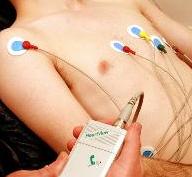 Telemedical
ECGs put into practice Telemedical
ECGs put into practice
Can you improve patient cardiac
care and working practice for GP clinicians whilst reducing the cost of
cardiac care to the NHS? GP, Dr Jonathan Lieberman, describes how a
telemedical ECG service has done just this at his GP practice in
Manchester, UK and outlines the benefits it has brought to patient,
doctor and the NHS. 22 Sep 2011 read more ...
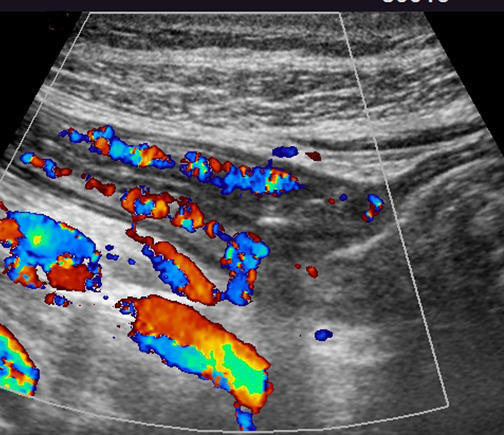 Ultrasound of inflammatory bowel disease Ultrasound of inflammatory bowel disease
The 13th
Congress of the World Federation for Ultrasound in Medicine and Biology
(WFUMB) will take place in Vienna in August 2011. One of the
leading experts in the field of CEUS, Dr Stephanie Wilson
from the University of Calgary/ Canada gives a short preview on her
presentation about inflammatory bowel
disease. Images below are colour doppler images showing hyperermia of
the bowel. 19 July 2011 read more ...
 The
nanomechanics revolution in medicine The
nanomechanics revolution in medicine
From antibiotic
development to inflammation markers, nanomechanics are bending and
shaping the future of the bio-industry. Nanotechnology is still
uppermost in the imagination of much of the industry, often seen as
something of a Sci-Fi concept. But it is a reality, and it is being used
in labs across the world today! It is already producing some remarkable
results and innovations, as described in this article. 10 June 2011
Biomagnetic separation attracts
diagnostics, DNA transfer and cancer therapy research
The principle behind magnetophoresis is the action of a magnetic force
on particles. This is used to separate particles in a liquid, or guide
particles or molecules in a wide range of applications. In vitro
uses include immuno and molecular diagnostics, protein purification,
cell capture, nucleic acid capture, while promising future applications
in vivo include nucleic acid transfer, targetted therapeutic
agents and magnetically mediated hyperthermia. 27 May 2011
Medical device usability as a factor
in reducing error and improving outcomes
Human factors
are key inputs in the design of medical devices, especially with the
increasing number aimed at patient use in the home. Kay Sinclair
& Natalie Scott of Sagentia outline the issues involved
and the implications of new standards aimed at usability. 4 April 2011
Mo99 and Tc99m in personalized
medicine: easing the supply crisis
Personalized medicine
is the use of new methods of molecular analysis to better manage a
patient’s disease or predisposition to disease. Currently impacting the
efficiency of nuclear medicine is an ongoing shortage of the
radioisotope Molybdenum 99 (Mo99). The production of this sensitive raw
material is central in the production of Technetium 99m (Tc99m), which
is used in nearly 60% of all patient scans in personalized medicine. 8 September 2010
Medical equipment deals briefing for Q2 2010
Mergers and acquisitions
activity decreased. There was a decrease in value over Q1 mainly due to
a large acquisition by Novartis in Q1. The number of deals also
decreased from 110 in Q1 to 78 deals in Q2 2010. The most active buyers
were Essilor
International with 14 deals, followed by Covidien plc with eight.
more ...
Insulin pump world market briefing
Due to the advantages of flexibility and tighter control over glucose
offered by insulin pumps to niche patient groups like pregnant women and
children, the insulin pump market has grown rapidly in the past few
years. The global insulin pump market was valued at $586.4m in 2009, and
is forecast to grow at a compound annual growth rate (CAGR) of 9% from
2009 to 2016. A briefing by GlobalData. more ... 11 August 2010
Case study: Ashley Comms secures
pharmaceutical company document transfer with Maytech FTP services
Ashley Communications needed a secure depository for its
pharmaceutical company clients to be able to safely access PowerPoint
presentations and medical documents without the fear of information
being leaked. It turned to Maytech to provide a safe and secure storage
and data transfer system to improve management of important medical
documents. 22 July 2010
Education of patients and healthcare
providers is essential for effective management of COPD
Benefit from and adherence to inhalation therapy in asthma and COPD
patients depend to an equal extent on the choice and the correct
handling of the inhaler devices. This requires appropriate education of
patients and healthcare providers, says Professor Walter G Vinken. 30
June 2010
 Building
flexibility into electronic design of ultrasound systems Building
flexibility into electronic design of ultrasound systems
This article reviews the up-front
considerations that must be addressed to offer portable,
performance-based products that provide system designers with the
flexibility required to bring new products to this global market. It
discusses the application of these methods to the design of portable
ultrasound systems. May 2010
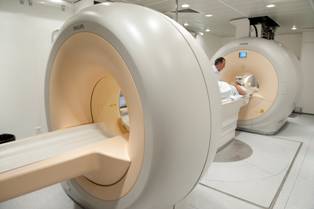 PET-MRI scanner opens new frontier in medical imaging PET-MRI scanner opens new frontier in medical imaging
The PET-MRI scanner, which has been developed by Philips, combines
magnetic resonance imaging (MRI) and positron emission tomography
(PET) into one unit, allowing accurate combination of the two
imaging modalities and giving new possibilities for medical imaging.
Harry Wood reports from the launch in Geneva. 31 May 2010
Bacterial survival strategies could
teach bankers how to avoid financial crises
If we want
to drive maximum growth, encourage innovation and protect the economy
from disasters, we will have to learn from lowly bacteria and put in
place robust regulatory systems, says Dr Harvey Rubin,
a professor of medicine, biochemistry and computer science, at the
University of Pennsylvania, and Founder and Director of the Institute
for Strategic Threat Analysis and Response. 10 May 2010
Digital Pathology under the
microscope
Radiology and pathology are cornerstones of cancer diagnosis,
the former allowing tumors to be accurately located and biopsied and the
latter providing confirmation of their malignancy. Radiology has already
‘gone digital’, but for pathology, going digital is not so
straightforward. March 2010
Barcodes and handheld computers ensure
quality assurance for MED-EL ear implant production
Tyrol-based manufacturer MED-EL produces high-technology ear implant
hearing devices. Strict US and European regulations require seamless
product documentation and traceability of every individual part
throughout the life cycle of the product. This process has been
streamlined by a system using wireless mobile computers with data
capture by 2-D barcodes. The system reduces manual errors, eliminates
paper documentation, and increases the security of all logistics
processes. 4 August 2009
The potential of ambient energy
harvesting to power electronic devices
Energy harvesting (EH) or scavenging is the use of ambient energy to
provide electrical power for small electronic and electrical devices.
The technologies employed variously convert human power, body fluids,
heat differences, vibration or other movement, dirt, vegetation,
ultraviolet, visible light or infrared to electricity.
Read more ... 13 March 2009
New assessment tool heralds breakthrough
for healthcare service redesign
Health economics is often seen as a blunt instrument that tends to work
against patient needs. As the desire to control healthcare budgets
becomes ever more pressing, can a new kind of assessment technology help
service commissioners find the Holy Grail of health provision —
delivering cost savings and the best patient outcomes? 30 January
2009
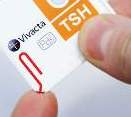 Lab-quality point-of-care test for hypothyroidism promises
measurable health benefits Lab-quality point-of-care test for hypothyroidism promises
measurable health benefits
Undiagnosed thyroid disorders are a worldwide problem. Testing for
hypothyroidism has required central laboratory facilities and follow-up
procedures to get patients into and stay in treatment. Vivacta has now
developed an immunoassay test that can be delivered at the
point-of-care. The test kit consists of a portable bench-top reader and
a credit-card-sized disposable cartridge to take and analyse a pin-prick
of blood. Based on piezofilm technology it can analyse whole blood for
TSH in just five minutes, allowing, for the first time, testing,
reporting and treatment to be done in the same doctor's appointment.
1 December 2008
Nanotechnology in the biotechnology and pharmaceutical industries
Bionanotechnology is moving
forward rapidly. It will enhance our understanding of biology and how
biological systems work and is already helping resolve some of the pharma
and biotech industries' significant problems. Dr Mike Fisher
of the UK's Nanotechnology Knowledge Transfer Network (NanoKTN)
gives an overview of its potential.
October 2008Treatment of hypertension a key factor in the prevention of dementia
Treatment of hypertension has been proved to reduce cardiovascular risk
substantially, but a large proportion of people with hypertension in the
general population are not even diagnosed or treated, writes
Professor Ingmar Skoog, of the Institute of Neuroscience and
Physiology, Göteborg University, Sweden. 8 September 2008
Training is key in NHS technology challenge
Paul Vousden outlines the role of the UK Training Hub for
Operative Technologies in Healthcare, the key tasks for improving
training in the use of medical devices across the NHS and the focus
areas for THOTH's activities.
18 July 2008
How can technology adoption be speeded up in the NHS?
Iestyn Williams, of the Health Services Management
Centre, University of Birmingham, discusses the reasons for the slow
uptake of medical technology in the NHS in England and how to overcome
the barriers to adoption. 20 June 2008
Home is where the best heart care is
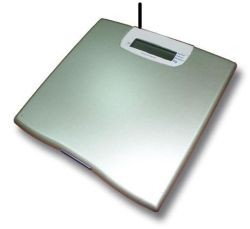 Joshua Rowe, chairman for telemedicine specialist Broomwell
Healthwatch, explains how a cardiac telemedicine service can improve
patient care whilst cutting the cost of congestive heart failure (CHF). Joshua Rowe, chairman for telemedicine specialist Broomwell
Healthwatch, explains how a cardiac telemedicine service can improve
patient care whilst cutting the cost of congestive heart failure (CHF).
30 April 2008
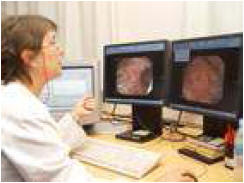 Multimedia PACS networks healthcare services on the Balearic
Islands Multimedia PACS networks healthcare services on the Balearic
Islands
All public hospitals and about 80 primary health centres
in the Spanish region Islas Baleares are building the foundation of
a health service network which is unique in Europe for its scope
and depth of integration. 8 April 2008
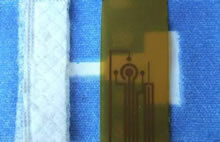 Smart clothing with
fluid biosensors to monitor health Smart clothing with
fluid biosensors to monitor health
The European BIOTEX project has produced textiles with woven-in
miniaturised biosensors that can analyse body fluids such as sweat to
assess the wearer's state of health. 31 March 2008
Controlling glucose levels for critically ill
A European project has developed a computerised decision support system that
monitors glucose levels of critically ill patients in hospital and delivers
the correct dose of insulin when correction is needed. 19 March 2008
Adoption of electronic work processes pushing
convergence of electronic health records and clinical trials
The move towards the use of IT and computer-based patient record systems
across hospitals in Europe and North America, and efforts to streamline the
functioning of clinical trials are promoting the expanded use of electronic
data capture. This is encouraging merging of work processes in clinical care
and clinical research areas. 2 Feb 2007
Top US health industry trends of 2007
Pressure on pricing amid demand for transparency will force pharmaceutical
companies, hospitals and health plans to rethink their strategies. This is
one of the top issues identified by PricewaterhouseCoopers' Health Research
Institute in a new report. 8 Dec 2006
RFID tags tested in tracking medicines in supply
chain
Cardinal Health, Inc., has completed a real-world pilot test of RFID tags
for automatic tracking of medicines in the packaging and distribution chain.
The technology has the potential to improve the safety and efficiency of
pharmaceutical supply chains. 28 Nov 2006
Videoconferencing enables neurology service to cover
Northern Ireland
Northern Ireland Teleneurological Service has found that videoconferencing
eliminates time wasted in travelling to patients while still allowing
patients in remote areas to receive high levels of diagnosis, monitoring and
care. 21 Nov 2006
Home telehealth: the future of home care
The combination of increased healthcare spending, provider shortages and an
aging population has put homecare at a crossroads, where change has become a
rapid necessity. That change is evident with the creation of a virtual model
of care known as home telehealth, which delivers state of the art hospital
care in the home without interrupting the routine of everyday life, widely
known today as connected health. It uses available consumer technologies to
enable such services as remote monitoring, activity monitoring, and the
delivery of disease management and wellness programs. 13 November 2006
Archiving and protecting data to comply with
electronic data laws
Governments worldwide are placing companies under increasing scrutiny.
Businesses are challenged more than ever before by electronic data laws and
they need to ensure that they are complying with all of the different legal
requirements. 8 November 2006
The economic benefits of information technology in
healthcare
An EU project has demonstrated that information technology can provide
enormous benefits if the technology is properly implemented. The eHealth
Impact project developed a methodology for assessing the economic impact of
ehealth solutions and then evaluated the economic benefits of introducing
new technology in healthcare in ten flagship projects. The project
demonstrated that the benefits were twice the cost of implementing the
technology. 7 November 2006
Controlling blood sugar of ICU patients by
automatic insulin delivery
The control of blood glucose levels is one of the most important factors for
patients in intensive care units (ICU). Thousands die or suffer prolonged
illness every year, simply because intensive care units are unable to
monitor their patients' glucose levels during recovery. One EU project
CLINICIP is developing an intelligent, automated glucose monitoring and
control system to solve the problem. 30 October 2006
Digitisation of hospitals driving demand for medical
imaging displays and cheaper alternatives
The market for medical imaging displays is experiencing a dynamic shift.
Digitisation initiatives are creating opportunities and challenges across
Europe, as data and image sharing across hospital departments and regions
becomes an established driver of efficiency. Some hospitals, however, are
seeking to save costs by using non-medical grade displays, which poses a
significant threat to the business of suppliers. 27 Sept 2006
Data storage solution saves terabytes for West
Yorkshire NHS IT services
Wakefield Health Informatics Service data storage solution is expected to
save 40% over three years, reduce unnecessary data storage by 4TB and
significantly cut backup and restore times. 26 Sept 2006
 World
in danger of missing targets for sanitation and clean drinking water World
in danger of missing targets for sanitation and clean drinking water
The world is in danger of missing targets for providing clean water and
sanitation unless there is a dramatic increase in the pace of work and
investment between now and 2015, according to a new report from the World
Health Organization (WHO) and UNICEF. More than 1.1 billion people in both
urban and rural areas currently lack access to drinking water from an
improved source and 2.6 billion people do not have access to even basic
sanitation. 20 Sept 2006
European point-of-care testing market boosted by
clinical and cost advantages
Point-of-care testing (POCT) offers multiple benefits, particularly in
improving turnabout time (TAT) and in supporting the prescription of earlier
and more appropriate treatment. However, some physicians are still sceptical
about the new technologies and continue to use ineffective traditional
methods of diagnoses. The challenge is to persuade these users of the
benefits of POCT. 19 Sept 2006
 Telemedicine
project improving health in rural Cambodia Telemedicine
project improving health in rural Cambodia
To leverage a growing Internet infrastructure for health purposes within
rural Cambodia, an email-based medical consultation program called Operation
Village Health was established by Partners Telemedicine. Harvard-affiliated
physicians have been providing clinical recommendations to Cambodian health
workers caring for patients at rural health centres. Approximately 700
telemedicine-supported patient encounters have been completed. Operation
Village Health is the 2006 winner of the international Stockholm Challenge
in the category of Health. 11 Sept 2006
Opportunities in pharmaceutical RFID and smart
packaging
RFID in healthcare is growing rapidly and is forecast to become a $2.1
billion global business by 2016. Smart packaging for healthcare has multiple
applications, including recording patient use in drug trials, stock
tracking, tamper recording, anti-counterfeiting, preventing medical errors,
and child-resistant packaging. 5 Sept 2006
European coordination in smart-systems research
Smart systems based on microtechnology and nanotechnology hold great promise
for future systems integration, with a variety of potential applications
especially in medicine, automotive safety and aeronautics. However, lack of
coordination among European research institutions, industry and government
means that research and product innovation are not advancing as fast as they
could. 5 Sept 2006
Targeting the private sector in the European
healthcare market.
Many medical device and diagnostic manufacturers may be focusing largely on
the public healthcare providers in Europe and missing out on the
fast-growing opportunities in private sector markets, according to a study
by HBS Consulting. 29 August 2006
Item-level RFID tagging set for 100-fold growth in
decade
A new study forecasts the market for item-level RFID tags to rise from
US$0.16 billion in 2006 to US$13 billion in 2016 involving up to 550 billion
items ranging from OTC drugs to blood bags, cigarette packets and books. 28
August 2006
Digitisation and high costs driving
consolidation in European medical imaging market
Novel picture archiving and communication systems (PACS) and moves towards
digitisation are spurring growth in the European medical imaging market, but
this is set against pressures from cost reduction, reduced hospital beds,
lack of radiologists and a trend towards multi-modality deals. 17 August
2006
Growth potential for cardiology PACS in
Europe
End-user willingness to purchase digital cardiology picture archiving and
communications systems is forecast to increase the market from US$73.6
million in 2005 to US$200.5 million in 2012. 21 June 2006
VISTA opens new frontiers in ultra high field MRI
research
The Virtual Institute for Seven Tesla Applications (VISTA) is a Dutch
initiative of researchers from medical in centres Leiden, Utrecht and
Nijmegen. VISTA groups the expertise on ultra high field magnetic resonance
imaging (MRI) in The Netherlands into one powerful virtual institute. Ultra
high field MRI provides unique advantages that can be used not only to
obtain better results for many current diagnostic applications, such as for
Alzheimer’s, Parkinson’s and Multiple Sclerosis, but opens up new fields of
activity, by enabling previously unattainable applications. 16 June 2006
Email communications can benefit orthopaedic
surgeons and their patients
Due to the rise in patients using the Internet for communication and
information, orthopaedic surgeons should consider incorporating this
resource into their practices; but they should do so in a thought-out and
systematic way, according to a paper published in the March 2006 issue of
the Journal of the American Academy of Orthopaedic Surgeons. 9 March
2006. More ...
Wireless technologies to play increasingly central
role in healthcare
The nascent European wearable wireless patient monitoring markets are likely
to see rapid growth over the next four to five years. Heightened awareness
about the benefits of remote monitoring combined with the growing popularity
of homecare is likely to boost the uptake of wearable wireless patient
monitoring systems. 9 March 2006. More...
Eliminating the threat of malware on
the desktop
Spyware, malware, crimeware, whichever name you pin on it, the threat is
very real and it has been infiltrating networks on a global scale at an
increasing rate over the last six months. This new breed of viruses arrives
through email, over the web and can even be inadvertently introduced by
poorly educated users. 14 February 2006
Increasing cardiac disorders in
Europe driving demand for diagnostic imaging systems
An increase in the incidence of cardiac disorders has led to a rise in the
number of diagnostic procedures, thereby resulting in a spurt in
interventional cardiac catheterisation procedures. There is also a greater
demand for non-invasive diagnostic techniques using CT and MR imaging
systems. 5 February 2006
German government initiatives to
boost use of IT in healthcare
Expenditure on healthcare IT in Germany represents a paltry 0.5% of total
healthcare outlays — an extremely low proportion compared to other developed
countries. However, the pursuit of a more integrated healthcare IT policy,
government initiatives and new reimbursement structures are set to boost
demand for healthcare IT in Germany. 5 February 2006
IT professionals neglect security on
mobile devices
A third of IT professionals using mobile devices such as PDAs and
smartphones don't use passwords or any other security protection, according
to a survey by Pointsec Mobile Technologies and SC Magazine. This is despite
the fact that three out of ten of these users store their PIN numbers,
passwords and other corporate information on the devices. 15 January 2006
Trial of mobile technology at George
Eliot Hospital shows significant benefits
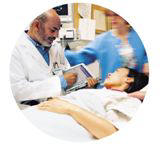 George
Eliot Hospital (GEH), a 440-bed acute care hospital in England and Intel
Solution Services tested the usefulness of mobile technologies. Twenty
wireless tablet or notebook PCs were deployed to a cross-section of care
providers. They used the devices with a mobile application portal to access
pathology and radiology results, a dashboard application for tracking
patient status, and other information sources. The pilot demonstrated
significant time savings for mobile clinicians and reduced administrative
burden on nurses. George
Eliot Hospital (GEH), a 440-bed acute care hospital in England and Intel
Solution Services tested the usefulness of mobile technologies. Twenty
wireless tablet or notebook PCs were deployed to a cross-section of care
providers. They used the devices with a mobile application portal to access
pathology and radiology results, a dashboard application for tracking
patient status, and other information sources. The pilot demonstrated
significant time savings for mobile clinicians and reduced administrative
burden on nurses.
More ... 8 January 2006
The FinnWell programme — making
healthcare healthier and wealthier
For many years Finland has built up a healthcare system to be proud of.
Nonetheless, no society can rest on its laurels. The older, better informed
and more demanding population is forcing big changes in Finnish healthcare
as in the rest of the world. And one of the ways Finland will be able to
deal with these changes is through activities such as FinnWell, one of
Finnish funding agency Tekes´ biggest ever technology programmes.
More ... 21 December 2005
GE revs up the engine
GE Healthcare has made two announcements that give shape to its vision of
the future of medical technology. Both announcements further blur the
already fluid boundary between medical equipment and health informatics.
Together with Swiss pharma giant Roche, GE will conduct trials to detect the
amyloid plaques believed responsible for Alzheimer's. The two companies will
use GE's PET scanning technology coupled with a specially developed imaging
agent. More ... 12 July 2005
Philips looks to medical computing
Philips is planning a big push in medical equipment, including more growth
in healthcare informatics, over the next year. Chief executive Gerard
Kleisterlee has set ambitious sales targets for the medical division, and
has set aside over €3 billion for healthcare acquisitions. Philips hopes
that expanding further into healthcare technology can off set losses and
setbacks suffered by the company's semiconductor and telecoms divisions.
More ... 8 July 2005
Healthcare reform helped French No vote
So, France has voted no in its referendum. Europe's constitution lies in
ruins. Or not, depending on what Europe's foreign ministers can cobble
together in a Brussels backroom. Which points out a key reason why
France's voters sent a resounding non! to its government and Europe's
elite. But another major reason why France voted no to Europe was
France's own programme of health and social welfare reforms.
More ... June 2005
French public spending policy in crisis
France faces a crisis in every area of public spending: pensions;
welfare; education; health. Governments have been trying to address these
problems since Édouard Balladur's conservative administration in 1993.
More ... June 2005
France's national disease coding
The first component of France's national health IT programme to go into
service is the health and cost coding system known as 'la Codage'. The
Codage will result not only in shifts in hospital funding, with many
departments receiving less money as a result, it is also intended to lead to
hospital cut-backs and closures. More... June
2005
DMP: the French EPR
The DMP, or personal medical file, is the centre-piece of France's health IT
programme. This will be a single unified computer health record. It will
hold all relevant medical information, which will be centralised into a
national data centre. More ... June 2005
The lesson for Europe
The relevance of the attempted French reforms for European governments is
that healthcare and social reform can be risky stuff. Right across Europe,
governments are engaged in re-engineering their health sectors.
More ... June 2005
Siemens retreats from the consumer
The giant is shifting onto its backfoot. But it will need to hone its
consumer marketing skills to retain its position in med-tech over the
next decade. More ... March 2005
To top |
