|
Nanoparticles release drugs only at the site of lung cancer
German scientists have developed nanoparticles that release
drugs only in the presence of lung tumour cells in human and mouse
lungs. 8 Mar 2015
The 'Angelina Jolie effect' caused surge in women testing for breast
cancer gene
Testing for the BRCA 1 gene mutation soared by
nearly 40% in the week that Angelina Jolie announced that she had
had an elective double mastectomy because she carried the gene,
according to a new AARP Public Policy Institute study. 13 Feb 2015
ICR develops avatars to display
important cancer cell features to aid diagnosis
The Institute
of Cancer Research, London has developed new software to visualise
data generated by imaging of cancer cells in a more intuitive way
than graphs or charts. The program called PhenoPlot generates
‘avatars’ of cancer cells based on imaging data collected by robotic
microscopes. 12 Jan 2015
New nuclear and fluorescence
imaging agent to guide cancer surgery
Grenoble-based CEA-Leti
and cancer research cluster CLARA have developed a new
fluorescence-imaging agent that could significantly increase
surgeons’ accuracy when removing cancerous tumours. 8 Jan 2015
Curie-Cancer and GamaMabs Pharma
renew partnership to develop antibody for ovarian cancer
Curie-Cancer, the commercial arm of Institut Curie, and GamaMabs
Pharma have announced the
extension of their partnership to develop the 3C23K antibody for the
treatment of gynaecological cancers. 19 Dec 2014
Diverse gut bacteria linked to
reduced risk of breast cancer
Postmenopausal women with
diverse gut bacteria have a reduced risk of breast cancer through
having a more favourable ratio of oestrogen metabolites, according
to a study published in the Journal of Clinical Endocrinology &
Metabolism (JCEM). 30 Oct 2014
Drug discovery system for cancer is
failing patients, says leading expert
The development of new
drugs and treatments for cancer has failed to keep up with advances
in knowledge because the system is broken, according to Professor
Paul Workman, Interim Chief Executive of The Institute of Cancer
Research. 28 Oct 2014
Philips and Breast Cancer Care
launch breast-check mobile app
To mark breast cancer
awareness month, Philips in partnership with the charity Breast
Cancer Care has launched an updated version of their Breast Cancer
Care mobile app. 28 Oct 2014
New Oncology and Gustave
Roussy collaborate on genetic testing of tumours
Cologne-based cancer diagnostics developer New Oncology has
announced that it has entered into a collaboration agreement with
Gustave Roussy Cancer Campus, a research institute based in Paris.
14 Oct 2014
Lung cancer can stay dormant
for 20 years until triggered by genetic faults
Researchers at
Cancer Research UK have discovered that lung cancers can lie dormant
for over 20 years until genetic faults trigger sections to grow and
the cancer becomes aggressive. 13 Oct 2014
AstraZeneca and Cancer Research UK
establish Cambridge lab to develop cancer drugs
MedImmune,
the global biologics research and development arm of AstraZeneca and
Cancer Research UK, with its commercial arm, Cancer Research
Technology (CRT), are establishing a joint laboratory in Cambridge,
UK to study novel biologic cancer treatments. 26 Sept 2014
New technique to test for
prostate cancer
A team of researchers at Guangdong Medical
College in China has demonstrated the potential of a new test to
detect prostate cancer combining surface-enhanced Raman scattering
(SERS) with a new technique called support vector machine (SVM). 9
Sept 2014
Botox can slow tumour growth
Research at Columbia University Medical Center and the Norwegian
University of Science shows that cutting off the nerves to tumours
using surgery or Botox can reduce the growth of cancer cells. 22 Aug
2014
Increase in body weight linked
to increased risk of 10 cancers
A study following the health
of more than 5 million adults in the UK has found that people with a
higher body mass index (BMI) have an increased risk of developing 10
of the most common cancers. 14 Aug 2014
New pathology software
improves cancer diagnosis
New software developed jointly by
the MedUni Vienna and the Vienna-based firm Tissuegnostics helps
pathologists to identify cancerous tissue with greater accuracy and
remove some of the variability in current methods based on visual
analysis of tissue samples. 14 Aug 2014
Oraya Therapeutics awarded grant
to develop gold nanoparticle cancer therapy
Oraya
Therapeutics, Inc. has been awarded a US$215,000 Small Business
Technology Transfer Grant by NIH to investigate how Oraya Therapy
can further enhance the treatment of wet age-related macular
degeneration. 12 Aug 2014
Endomagnetics completes
acquisition of the ACT Portfolio
The ACT portfolio provides
Endomagnetics with a cancer therapeutics platform while maintaining
synergies with its magnetic nanoparticle technology. 24 June 2014
Clearbridge BioMedics launches
device that isolates circulating tumour cells from blood
Clearbridge BioMedics has launched a new cancer diagnostic device,
the ClearCell FX System, which is able to isolate and capture
circulating tumour cells (CTCs) from a blood sample.
Adaptimmune announces
partnership with GSK for cell-based cancer therapies
Adaptimmune Limited has announced a multi-million dollar
strategic collaboration and licensing agreement with GlaxoSmithKline
(GSK) for the development and commercialisation of its lead clinical
cancer programme. 5 Jun 2014
Almac validates novel gene
biomarker test for ovarian cancer patients
The company has
announced the validated results of the ALM AADx assay, a gene
expression test that identifies a subgroup ovarian cancer patients
that have a good prognosis following chemotherapy. 5 Jun 2014
Mayo Clinic launches 50-gene
cancer panel test for more targeted chemotherapy
The Mayo
Clinic in Minnesota, US, has launched CANCP, a new gene panel cancer
test to help tailor chemotherapy to the individual patient based on
the unique genomic signature of the patient’s tumour. 21 May 2014
Film dressing prevents skin
reaction during radiotherapy
Mepitel Film dressings prevent
the development of painful skin ulcerations associated with breast
cancer radiation therapy, according to a NEW study. 6 May 2014
MRI-guided biopsy for brain
cancer improves diagnosis
Neurosurgeons at UC San Diego Heath
System have combined real-time MRI technology with non-invasive
cellular mapping techniques to develop a new biopsy method that
increases the accuracy of brain cancer diagnosis. 6 May 2014
ValiRx cancer screening gene
biomarker granted Japanese patent
ValiRx Plc has announced
that NAV3, its cancer screening test gene biomarker has received
patent approval by the Japanese patent office (JPO). 6 May 2014
Nanosensors detect cancer from
breath
A collaboration of researchers in Switzerland and
Japan has developed portable cancer detection units using coated
nanocantilevers for diagnosis from breath. 25 Apr 2014
New method to keep leukaemia
stem cells in culture will help drug discovery
Two new
chemical compounds that can keep alive cultures of leukemic stem
cells have been discovered by a team from Université de Montréal and
Maisonneuve-Rosemont Hospital in Quebec, Canada. 15 April 2014
Adaptimmune awarded £2.1m for
T cell cancer therapy development
Adaptimmune has been
awarded a grant of £2.1 million from the UK Biomedical Catalyst Fund
for the development of its second engineered T cell therapy
programme into the clinic in triple negative breast cancer. 28 Mar
2014
Endomagnetics wins business
award for breast cancer treatment product
Cambridge-based
Endomagnetics has been given the award for Best New Product or
Business Model in this year’s Business Weekly awards for
companies in the East of England. 20 Mar 2014
Novel technique identifies breast cancer tissue using non-coding RNA markers
The presence of
small non-coding sections of the nucleic acid RNA in breast tissue
can be used to predict if individuals have breast cancer, according
to new findings by the Cancer Genome Atlas project. 6 Mar 2014
Alere launches 15-minute
genetic test for influenza A and B in Europe
Point-of-care
diagnostics company Alere Inc. has launched in Europe the Alere i
Influenza A & B test, a molecular test that detects and
differentiate influenza A and B virus in less than 15 minutes. 20
Feb 2014
ValiRx granted European patent
for genetic-based cancer test
ValiRx Plc has been awarded
patent approval by the European Patent Office for its cancer
screening test NAV3, which uses a gene biomarker to detect specific
cancers. 20 Feb 2014
Computer controlled movement of patient and radiotherapy can target
tumour more precisely
Computer controlled movement of the patient on a radiotherapy
couch with the 3D control of the radiation beam could deliver high
doses to tumours while sparing nearby organs. 10 Feb 2014
Fruit flies can smell cancers
Researchers from the Universities of Konstanz and La Sapienza have
recorded the antennae of fruit flies detecting odours given off by
cancer cells and distinguishing different types of cancer. 3 Feb
2014
Mass spectrometry imaging can
transform tissue pathology analysis
A team from Imperial
College London has developed a method to analyse mass spectrometry
data from a tissue sample to create a detailed map of its chemical
composition. 3 Feb 2014
New type of MRI shows spread
of bone marrow cancer
A pioneering MRI technique developed by
the Institute of Cancer Research in London can reveal where cancer
is present in bone marrow across the whole body. 28 Jan 2014
New microscopy technique
rapidly detects skin cancer tissue during surgery
The US National Institute of Biomedical Imaging and
Bioengineering has developed a microscopic technique to analyze and
remove cancerous tissue rapidly in the operating room,
removing the need for lengthy repeated tissue sampling and checking.
28 Jan 2014
University of Surrey device
identifies cancerous cells by electrical properties
A
University of Surrey research team has developed an innovative
device that can differentiate between normal and unhealthy cells by
analysing their electrical properties. 3 Jan 2013
Ultrasound microscope
identifies cancerous tissue by acoustic profile
Professor
Naohiro Hozumi of Toyohashi University of Technology has developed
an ultrasonic microscope to differentiate living tissue and cell
specimens for medical purposes. 3 Jan 2013
Hunt for RNA biomarkers for
prostate cancer and other diseases
The RIBOLUTION project in
Germany is developing a platform for the identification and
validation of RNA biomarkers for prostate cancer and selected
diseases based on genome-spanning screening. 19 Dec 2013
Proteins in circulating tumour
cells can predict response to chemotherapy
Scientists from the University of Granada have demonstrated, for
the first time, that the presence of specific proteins occurring in
circulating tumour cells (CTCs) in blood can predict with great
precision a patient's response to chemotherapy. 19 Dec 2013
Genetic test helps optimise
cancer treatment
Testing a tumour for certain genes could
help decide whether the patient would benefit from receiving
additional drugs with a radiotherapy programme, according to a study
by the Manchester Cancer Research Centre. 4 Dec 2013
Gut microorganisms affect response to
cancer treatment
A healthy population of microorganisms that
live off other microorganisms in the intestine is required for
optimal response to cancer therapy, according to a study led by
scientists at the US National Cancer Institute (NCI). 24 Nov 2013
Online training improves
diagnosis of skin cancer in primary care
Primary care doctors
who took an online training course on diagnosing skin cancer
significantly improved their skill to properly diagnose and manage
benign and malignant lesions, according to a national study from
Henry Ford Hospital in Detroit. 21 Nov 2013
Multispectral camera
highlights cancer remnants for removal during surgery
Researchers at the Fraunhofer Project Group for Automation in
Medicine and Biotechnology (PAMB) have developed a multispectral
fluorescence camera system that can make hidden tumour cells visible
during surgery. 20 Nov 2013
Combining MRI with ultrasound
gives a quicker technique for breast cancer biopsy
The
Fraunhofer Institute for Biomedical Engineering has developed a
technique that combines MRI with ultrasound scans to make biopsy
taking quicker and less traumatic for breast cancer patients. 18 Nov
2013
RNA molecule in blood could be
indicator of pancreatic cancer
A specific RNA molecule is
present in the blood of most pancreatic cancer patients, according
to research at Indiana University, suggesting it could be a
diagnostic marker for the usually fatal disease. 14 Nov 2013
New hope for blood test to
catch pancreatic cancer early
A simple blood test to detect
gene fragments unique to pancreatic cancer cells could be on the
horizon following promising results in a small preliminary study at
Johns Hopkins Medicine in the US. 11 Nov 2013
Immunocore achieves research milestone in GlaxoSmithKline
collaboration
Oxford-based Immunocore has announced the achievement of
the first cancer drug development milestone in its research and licensing agreement with GSK,
triggering a first payment. 7 Nov 2013
High hormone levels could be
cause of breast cancer in BRCA gene carriers
Abnormal levels
of female hormones in the blood could be the trigger causing women
with the faulty genes BRCA 1 and BRCA 2 to develop breast cancer
instead of other cancers. 24 Oct 2013
immatics seals €34m financing
for development of renal cancer vaccine
Tuebingen-based
immatics biotechnologies has closed a €34 million Series D financing
round to fund development of its lead multi-peptide cancer vaccine,
IMA901. 16 Oct 2013
Aberdeen University looks for
breast cancer drug in shark blood
AICR, the Scottish cancer
research charity, has awarded biologists from the University of
Aberdeen £200,000 to test if an antibody found in shark blood can
inhibit the growth of cancer cells. 11 Oct 2013
Nanodiamonds carry
chemotherapy drugs direct to brain tumour
Microscopic
carbon-based particles called nanodiamonds are able to carry
chemotherapy drugs directly into brain tumours in a new technique
developed by the Jonsson Comprehensive Cancer Center
at UCLA. 8 October 2013
Ibuprofen inhibits growth of
some cancers
Long-term use of Ibuprofen could give protection
against prostate cancer, some colon cancers and several other
cancers, according to research at the University of Bath. 2 Oct 2013
Skin cancer tissue rapidly
identified during surgery
The University of Nottingham has
developed an accurate technique to rapidly identify the margins of
cancerous tissue during surgery that combines auto-fluorescence of
skin tissue with Raman laser spectroscopy. 23 Sept 2013
Raman laser highlights tumour
cells in brain tissue during surgery
A new laser-based technology can identify cancerous cells
during surgery, enabling surgeons to make sure they remove all the
cells that could develop into a new tumour. 10 Sept 2013
Collagen can suppress growth
of cancer
Collagen, the most abundant protein in the human
body, triggers chemical signals that help prevent the growth of
cancer, according to a new study by the Institute of Cancer
Research, London. 6 Sept 2013
ValiRx wins €1.6m grant to
develop genetics-based cancer treatment
ValiRx plc and
consortium member Pharmatest Services have been awarded a €1.6
million Eurostars grant to progress the pre-clinical studies of its
novel product VAL101. 29 Aug 2013
Labelled gold nanoparticles
hold key to targeted stem cell therapy
Researchers at
Southampton and Cambridge Universities have developed a technique
using gold nanoprobes to identify different types of cells, so that
they can target the right ones in stem cell therapies. 28 Aug 2013
Carbon ion radiotherapy
effective for treating inoperable spinal tumours
A new study
has shown that carbon ion radiotherapy can control cancer growth and
prolong survival in patients with spinal tumours. 21 Aug 2013
Abnormal ageing gene linked to
blood cancer
A variant of a gene that helps control ageing in
humans by acting as a cell’s internal clock has been linked to blood
cancer in a major new study by the Institute of Cancer Research
(ICR), London. 19 Aug 2013
Rapid tissue analysis shows
stage of bowel cancer for fine tuning treatment
Researchers
at Imperial College have measured the stage of a tumour by analysing
the chemicals produced by the tumour cells using high-resolution
magic angle spinning nuclear magnetic resonance spectroscopy. 15 Aug
2013
Cancer cells can be destroyed by
blocking single protein
Research at Southampton University
has discovered a protein that is not necessary in normal cells but
is important to the survival of cancerous cells. 29 July 2013
Electrosurgical knife
instantly detects cancer during surgery
The iKnife is a
surgical knife that cuts flesh using electrical current and analyses
the vapour to detect characteristic chemicals of specific cancers
using a mass spectrometer. 18 July 2013
Computer models predict
effectiveness of colon tumour therapy
Computer models of the
behaviour of colon tumour cells in response to drugs have shown that
a combination of drugs blocks a survival mechanism triggered by
using one drug alone. 17 July 2013
New breast cancer test is better at diagnosing need for chemotherapy
A new genetic test can better determine the
likelihood of recurrence of a common form of breast cancer and help
decide on the need for chemotherapy. 2 July 2013
Junk DNA plays active role in cancer
A human gene sequence until recently considered ‘junk' could promote
cancer progression, according to research at the University of
Nottingham. 4 June 2013
New trial drug shows potential
for treating kidney cancers, obesity and diabetes
An
experimental drug designed to block a protein that is overactive in
kidney cancer significantly reduced tumour growth in animals. 30 Apr
2013
Postcode lottery for breast cancer
diagnosis in England
Women in deprived areas of England are
more likely to die from breast cancer due to delay in diagnosing the
disease. 30 Apr 2013
Personalising PSA test using genetic
tests could improve prostate cancer diagnosis
Testing for
genetic variants that can increase serum prostate specific antigen
(PSA) concentrations could avoid unnecessary biopsies for some men
and eliminate false complacency for others. 25 Apr 2013
Nanosensor detects cancer cells
A nanosensor that can detect cancerous skin cells by identifying
mutated RNA has been developed by the Swiss Nanoscience Institute of
the University of Basel and the Ludwig Institute for Cancer Research
in Lausanne. 27 Feb 2013
Elastography shows
promise for detecting cancers without biopsy
Researchers from the University of Oslo and Beaujon
University Hospital in Paris are to start clinical
trials of a new method for detecting cancer that
measures the elasticity of body tissue. 18 Feb 2013
Pathology image
analysis software improves certainty of cancer diagnosis
Scientists at the University of Oslo have
developed pathology image analysis software that can
determine the seriousness of a cancer prognosis with 80%
certainty, halving errors. 8 Feb 2013
ESMO calls for caution over
current expectations of personalised medicine
The European Society for Medical Oncology (ESMO)
has issued a statement to dispel the myth that personalised
medicine is already a reality for all cancer types and all cancer
patients. 4 Feb 2012
BMJ raises concerns over effectiveness of costly melanoma
procedure and witheld clinical trial data
The BMJ has
published a special report this week that finds that thousands of
melanoma patients around the world are undergoing an unnecessary
expensive and invasive procedure called sentinel node biopsy. 11 Jan
2013
New model helps predict chance
of surgical cure for prostate cancer
Prostate cancer experts
have developed an updated version of a statistical model, called the
Partin Tables, which helps assess the chance of a surgical cure for
men diagnosed with prostate cancer. 9 Jan 2013
New radiotherapy treatments developed
by Polish researchers
The new technology to
produce 90Y (yttrium) and 177Lu (lutetium) radioisotopes was
developed at the NCBJ Radioisotope Centre. 3 Jan 2013
Microscopic filter captures
cancer cells circulating in blood stream
The filter could
enable detection of tumour cells circulating in blood well before
they subsequently colonize organs and form tumours. 17 Dec 2012
NPL develops radionuclide
tracing system for radiotherapy
Scientists from the National
Physical Laboratory (NPL) have developed a system of radionuclide
traceability for a new radiotherapy treatment for neuroendocrine
tumours. 13 Dec 2012
Endomagnetics selected as
high-potential company by Future 50 Project
Endomagnetics is
developing nanomagnetic technology as an alternative to the
radioisotopes currently used for tracking the spread of cancer. 30
Nov 2012
Royal Marsden and ICR open
groundbreaking Centre for Molecular Pathology
Scientists
will be able to monitor whether new-generation cancer drugs are
successful to an unprecedented degree of detail following the
opening of a new world-class research facility. 21 Nov 2012
Quarter of bowel cancers only
discovered from emergency hospital admission
A national audit
has found that about a quarter of bowel cancer patients in England
are only diagnosed with the disease after an emergency admission to
hospital. 31 Oct 2012
Melanoma cells become
invisible to immune system due to inflammation caused by treatment
A research team led by Bonn University has discovered that an
inflammatory reaction caused by the treatment given for a tumour
causes the tumour cells to temporarily alter their external
characteristics and thus become invisible to the body's defence
cells. 16 Oct 2012
Novel cancer treatment using
drug release controlled by NIR-stimulated nanoparticles
Controlled drug release at the site of a tumour using near-infrared
stimulation of nanoparticles shows promise as a non-invasive
treatment for deep cancer. 27 Sept 2012
Nanoparticle form of tea
polyphenols reverses antioxidant properties
When used
in bulk form, these polyphenols showed antioxidant responses, but
the nanoform at higher concentrations exhibited pro-oxidant effects.
10 Sept 2012
Pulsed UVC irradiation selectively
kills cancer cells
A new and highly effective cancer therapy
that irradiates cancer cells with high intensity pulsed ultraviolet
C (UVC) light has been developed at the Tokai University School of
Medicine in Japan. 30 Aug 2012
Brainlab releases advanced
version of ExacTrac patient positioning system
Brainlab has
launched its new ExacTrac 6.0 Patient Positioning system, delivering
key improvements for both frameless radiosurgery and radiotherapy
treatments. 29 Aug 2012
Fourth new successful drug for
prostate cancer treatment in two years
Clinical trials have
shown the drug enzalutamide can significantly extend life and
improve quality of life in men with advanced prostate cancer. 15 Aug
2012
Paoli-Calmettes Institute and
IBM collaborate to better inform cancer patients
The study
that will demonstrate the effects of how oncologists, integrating
visual information into their consultations, assist in communicating
the diagnostic and treatment risks to cancer patients. 12 July 2012
Dual drug therapy offers new hope for
deadly childhood cancer
A new drug combination that boosts
the effectiveness of a gene-targeting treatment could offer hope to
children with neuroblastoma. 12 July 2012
New semen test for
testicular cancer
The Rigshospitalet in Copenhagen has found a
new and simple way of detecting testicular cancer before it starts, by
detecting markers in a sperm sample. 25 June 2012
New diagnostic tool increases the value of Kancera's ROR cancer
treatment
Kancera and the Karolinska Institute have developed antibodies
that permit the development of a diagnostic tool to identify cancer
patient response to treatment using Kancera’s ROR inhibitors. 25 June
2012
Electronic sensor
can detect prostate cancer cells
Scientists at the Barcelona
University have developed the main components of a biosensor containing
several hundred nanometric sized optoacoustic biosensors and that can
detect cancer cells in urine. 4 June 2012
Nanoparticles
revive failed cancer drug
A University of North Carolina (UNC)
team has developed nanoparticle drug carriers that have successfully
delivered therapeutic doses of a cancer drug that had previously failed
clinical development due to pharmacological challenges. 14 May 2012
Immune-system-boosting cancer treatment described in Nature Medicine
The new reagents known as ImmTACs (immune mobilising mTCR against
cancer) mobilise T cells to kill cancer cells and overcome immune
tolerance to cancer. 14 May 2012
Memorial
Sloan-Kettering Cancer Center and IBM collaborate to develop oncology
decision support with IBM Watson
The tool, built upon IBM Watson,
will provide medical professionals with improved access to current and
comprehensive cancer data and practices. 30 Apr 2012
Celtic Therapeutics
invests $50M in developing antibody drug conjugates
A new company
will be based in Switzerland to develop, ADCs (developed in London!)
which are fast becoming the most exciting new class of oncology drugs as
they combine the specificity of antibodies with the cytotoxic power of
novel “warhead” chemistries. 30 Apr 2012.
DNA sequencing of tumour enables
ultimate personalised cancer treatment
DNA sequencing technology
has been used to not only identify mutations at the root of a patient’s
tumour but to map the genetic evolution of disease and monitor response
to treatment at Washington University School of Medicine in St Louis. 10
April 2012
Laser-heated carbon
nanotubes kill breast cancer stem cells
Researchers at Wake
Forest Baptist Medical Center in the US have shown that injecting
multiwalled carbon nanotubes (MWCNTs) into tumours and heating them with
a 30-second laser treatment can kill them. 24 Feb 2012
New thyroid uptake system from Southern Scientific
The Capintec Captus 700t has a new colour touchscreen that simplifies and speeds-up thyroid uptake, wipe,
bio-assay, blood volume and RBC survival tests. 23 Feb 2012
Endomagnetics wins ACES award for
most successful university spinout
Endomagnetics is developing
advanced magnetic sensing technology for use in breast cancer staging,
based on technology developed between University College London and at
the University of Houston. 23 Feb 2012
Light against Cancer raises
awareness of photodynamic therapy to treat tumours
The German
organisation Light against Cancer is raising awareness of Photodynamic
Therapy (PDT) as a new therapeutic approach for treating cancer without
the side effects of chemotherapy or radiotherapy. 23 Feb 2012
Feature: New technology can bring breast cancer
screening into the twenty-first century
In
October last year the UK announced the first independent review of the
breast cancer screening programme. Jack Kaye, CEO of Westhouse Medical Services, provides an insight
into breast cancer screening and analyses the options available for the
progression of the screening programme.
20
Feb 2012.
GE healthymagination Fund
invests in Check-Cap's ingestible imaging capsule
GE
Financial Services has announced that it has invested in Israeli
company Check-Cap Ltd, a developer of an ingestible X-ray imaging
capsule that may help detect intestinal polyps and colorectal
cancer. 6 Feb 2012
Endomagnetics wins CE Approval
for Sienna+ Tracer for breast cancer care
The injectable
tracer is used in combination with the ultra-sensitive SentiMag
instrument in sentinel lymph node biopsy (SLNB), currently the
standard of care in tracking the spread of breast cancer. 19 Jan
2012
BerGenBio completes $9m
financing for anti-tumour compound development
The financing will
be used primarily to take lead compound BGB324 into clinical trials
and to develop a companion diagnostic. 19 Jan 2012
Siemens launches website for
public to learn about medical radiation
Siemens has set up a
new online information source for anyone facing an X-ray or a
nuclear medicine examination. 5 Jan 2012
Cancer Research Center
of Languedoc-Roussillon starts TrueBeam radiotherapy
A
19-year-old brain tumour patient has become the first person in
France to be treated using the TrueBeam radiotherapy treatment
system from Varian Medical Systems. 18 Dec 2011
ORCA Therapeutics gets
€5m innovation credit for prostate cancer compound
The credit
is from the Dutch govwernment agency Agentschap NL to support
development of ORCA's lead compound ORCA-010 for prostate
cancer. 3 Dec 2011
Holoxica
creates 3D hologram of human liver for cancer treatment
The
achievement paves the way for a breakthrough in the way surgeons
plan liver operations to remove tumours. 3 Dec 2011
Michelson
Diagnostics shareholders invest £1.9m to expand sales of skin cancer
scanner
Michelson Diagnostics has announced an investment of
£1.912 million by shareholders Octopus Investments, Catapult Venture
Managers and individual investors from London Business Angels. 28
Nov 2011
Endomagnetics
raises additional funding for novel cancer diagnostics probe
Cambridge-based Endomagnetics has raised funding totalling £1.8
million. The Company has also announced a move to Cambridge and two
new appointments as it expands its operations. 23 November 2011
Rohde & Schwarz supplies
analysers to Micrima for wideband radio breast cancer screening
Rohde & Schwarz has announced it has supplied its high-speed vector
network analysers to Bristol University spin-out Micrima for the
clinical trials of their revolutionary radio wave breast cancer
screening technique. 20 Nov 2011
London gets new cord blood
donation facility to support stem cell treatments
A new
specialist collection service for lifesaving cord blood started at
University College Hospital (UCH) in London last week. It is rich in
stem cells that can help patients whose own bone marrow is not
working. 7 Nov 2011
New method for detecting
breast cancer uses magnetic particles and SQUID
A new and
potentially more sensitive method of detecting breast cancer has
been developed that uses tumour-targeting magnetic iron oxide
particles and superconducting quantum interference device (SQUID)
sensors. 28 Oct 2011
Taking aspirin long-term
halves risk of hereditary cancers
A decade-long study in 16
countries has found that taking aspirin regularly halves the risk of
getting hereditary cancers. 28 Oct 2011
Annual screening with X-rays
does not reduce lung cancer deaths
A trial involving 150,000
patients that gave half annual chest X-rays for up to four years
showed that screening did not significantly reduce death from lung
cancer compared to the unscreened group. 27 October 2011
GE announces $100m innovation
challenge and $1bn R&D investment in cancer care
GE has
launched a new healthymagination initiative to accelerate cancer
innovation and improve care and announced a US$100 million global
open innovation challenge for breast cancer diagnostics. 2 Oct 2011
New cancer treatment could
destroy all types of solid tumour
The new cancer treatment
being developed at the University of Bradford has so far been tested
on breast, colon, lung, sarcoma and prostate cancers. 15 Sept 2011
Almac and Queen's University
Belfast in £4.4m cancer research collaboration
The unique
academic-business collaboration will help develop better tests for
diagnosing and treating prostate, ovarian and breast cancer. 15 Sept
2011
Diabetes drug combined with
glycolysis inhibitor effective in killing cancer cells
Blocking a key controller of energy production in cancer cells and
treating them with the diabetes drug metformin effectively starves
cancer cells. 13 Sept 2011
Harmless soil bacteria used to
deliver drugs direct to tumour cells
A genetically altered
soil bacteria that specifically targets tumours could soon be used
as a vehicle to deliver drugs to destroy cancer cells. 8 Sept 2011
Mechanism that triggers
resistance to radiation after exposure discovered
University
of Oslo researchers have discovered how exposure to radiation can
make cancer cells and normal cells resistant to radiotherapy and
chemotherapy. 8 Sept 2011
Dogs can detect lung cancer
from breath
Sniffer dogs could be used for the early
detection of lung cancer from the breath of patients, according to
researchers at Schillerhoehe Hospital in Germany. 25 August 2011
Lack of vitamin D increases
the aggressiveness of colon cancer
Researchers at the Vall
d’Hebron Institute of Oncology (VHIO), in collaboration with the
Alberto Sols Institute of Biomedical Research (CSIC-UAB), have
confirmed the role of vitamin D in inhibiting colon cancer. 16
August 2011
New evidence that TB vaccine
can stimulate body to fight cancer
Researchers at St George’s
University of London have found a potential new mechanism to
stimulate the body’s own ability to fight cancer using the BCG
vaccine. 16 August 2011
Michelson Diagnostics targets
US market for skin cancer imaging products
Michelson
Diagnostics has announced plans to expand availability of its
revolutionary products for skin cancer imaging in the United States
with the formation of a US subsidiary. 5 August 2011
Significant rise in survival
rates for elderly lung cancer patients treated using radiosurgery
Details of advances in the use of stereotactic body radiotherapy
to treat early stage lung cancer in both high risk operable and
inoperable cases were presented at the biennial World Conference for
Lung Cancer in Amsterdam. 21 July 2011
TSB awards £6m for R&D into tumour
profiling for personalised medicine
Six projects are to
receive nearly £6 million from the UK Technology Strategy Board to
research tumour profiling and data capture. 21 June 2011
Philips provides imaging
systems for new children’s oncology centre in Moscow
Philips, in partnership with cancer charity the Grant Life
Foundation, is providing imaging technology to a new Children’s
Oncology complex in Moscow, which opened on the International
Children’s Day on 1 June. 3 June 2011
A+PSA test gives better
results in testing for prostate cancer
A new test for
prostate cancer that measures levels of prostate specific antigen
(PSA) as well as six specific antibodies found in the blood of men
with the disease was more sensitive and more specific than the
conventional PSA test. 31 May 2011
Brainlab HybridArc software
for radiosurgery gains US clearance
The software increases
the efficiency of existing Linac radiosurgery hardware and offers
fast, high precision volumetric arc radiosurgery treatment. 19 May
2011
IBA and Philips partner to
create patient-centric proton therapy centres
The design of
the centres focuses on the emotional and physical aspects of patient
care, with the patient surrounded by light, image and sound, making
the treatment experience as soothing and transparent as possible. 19
May 2011
New prostate cancer drug
discovered by ICR approved by FDA
A drug for treating
metastatic prostate cancer discovered at The ICR has been approved
by the US FDA. Abiraterone acetate was invented by Professor Mike
Jarman and his colleagues at the Cancer Research UK Cancer
Therapeutics Unit. 18 May 2011
The status of molecular
radiotherapy in the UK — new report from BIR
A new report
from The British Institute of Radiology (BIR) provides an overview
of the current practice of molecular radiotherapy (MRT) in UK
hospitals, both in respect of the availability of treatments and the
range of doses delivered. 19 April 2011
IBA takes 25% stake in German
radiopharmaceuticals supplier PET Net
Belgian company Ion
Beam Applications (IBA) S.A. has taken a minority stake in PET Net
GmbH and PET Net Solutions AG, providers of PET radiopharmaceuticals
to nuclear medicine facilities in Germany. 19 April 2011
Oncodesign offers
patient-derived colorectal tumour models for drug development
Dijon-based Oncodesign is offering what it claims is the world’s
most comprehensive collection of human colorectal cancer models
directly developed from patient’s tumours. 11 April 2011
First new drug for advanced
melanoma in a decade
Ipilimumab has become the first new drug
to be FDA approved for the treatment of previously treated
metastatic melanoma for more than a decade. 31 March
CEA-Leti and partners to
develop novel injectable tracer for cancer treatment
CEA-Leti
has announced that with four French partners it is developing an
injectable tracer that can provide both nuclear imaging in the
pre-operative evaluation of tumors and optical imaging during
ablation or biopsy. 19 March 2011
Boron neutron capture therapy
pioneered for head and neck cancer treatment
A new type of
radiotherapy, boron neutron capture therapy, has been successfully
used to treat patients with advanced head and neck cancer who have
not responded to previous treatments and generally have poor
prognosis. 13 March 2011
Varian enables clinical data
reporting to support NHS goals for UK cancer care
Varian
Medical Systems has completed two data compatibility initiatives
aimed at reducing data input for users of its cancer therapy systems
in the UK National Health Service. 8 March 2011
Genetic test could predict
adverse reaction from bone cancer treatment
Genetic tests
could predict whether bone marrow cancer treatments including
thalidomide are likely to give patients a debilitating side-effect.
2 March 2011
No increase in brain cancer
during increase in mobile phone use in UK
Researchers from
the University of Manchester used publicly available data from the
UK Office of National Statistics to look at trends in rates of newly
diagnosed brain cancers in England between 1998 and 2007 and found
no significant change. 22 Feb 2011
Tumours treated with
chemotherapy drugs guided and measured by MR imaging
Royal
Philips Electronics and Eindhoven University of Technology have
developed a method of MRI-guided chemotherapy delivery to tumours to
improve treatment without increasing adverse side effects. 21 Feb
2011
First patient trials of DNA
vaccine for leukaemia
A new DNA vaccine to treat leukaemia
that has been developed by scientists from the University of
Southampton is being trialled on patients for the first time in the
UK. 16 Feb 2011
First patient in Africa treated with
RapidArc radiotherapy
A 66-year-old prostate cancer patient
has become the first person in Africa to be treated using RapidArc
technology from Varian Medical Systems. 14 Feb 2011
Enzyme playing key role in
breast cancer also affects bowel cancer growth
The enzyme
lysyl oxidase (LOX) which plays a key role in the spread of breast
cancer is also important in bowel cancer growth and spread so could
also be targeted using an existing drug that reduces LOX. 7 Feb 2011
UK government launches bowel
cancer awareness campaign
The ‘Be Clear on Cancer’ campaign
is being piloted in two regions and if successful will be rolled out
across the country. Adverts will appear on TV, radio and in
newspapers for seven weeks. 7 Feb 2011
Dogs can detect scent of early
stage bowel cancer
Dogs can detect the scent of bowel cancer
in both breath and stool samples with a very high degree of
accuracy, even in the early stages of the disease. 7 Feb 2011
First five-year outcomes on
CyberKnife radiosurgery for prostate cancer
Accuray has
announced the first published five-year outcomes on low risk
prostate cancer patients treated with the CyberKnife robotic
radiosurgery system. 31 Jan 2011
Varian receives US clearance
for proton therapy system
Varian Medical Systems has
received FDA 510(k) clearance for its proton Therapy System which
generates protons for precision radiotherapy of lesions, tumours,
and conditions where radiation treatment is indicated. 31 Jan 2011
Philips receives CE mark for PET/MRI system — first new modality
in 10 years
The combined system integrates the molecular
imaging capabilities of PET with the superior soft tissue contrast
of magnetic resonance to image diseased cells as they proliferate in
soft tissue. 24 Jan 2011
iCAD completes acquisition of
Xoft
Cancer diagnostic imaging systems developer iCAD, Inc.
has completed the previously announced acquisition of Xoft, Inc.,
developer of the Axxent eBx electronic brachytherapy system. 7 Jan
2011
New light-activated platinum
compound more effective at killing cancer cells
A newly
discovered light-activated platinum-based compound is up to 80 times
more powerful than other platinum-based anti-cancer drugs and can be
used to kill cancer cells in a much more targeted way than similar
treatments. 21 Dec 2010
ChipDX discovers genetic
signature for early-stage colon cancer
ChipDX LLC has discovered and validated a genetic
signature for early-stage colon cancer and is developing an online
screening application to enable clinicians to more accurately identify
risk of recurrence.
PETNET Solutions signs new
contract with the Paul Strickland Scanner Centre
PETNET
Solutions and The Paul Strickland Scanner Centre have renewed a PET
radiopharmaceutical supply agreement. 16 Dec 2010
Portable device for breast
cancer screening moves closer to market
A new portable device
that detects breast cancer based on tissue elasticity has come a
step closer to market with its licensing by a medical device
company. 10 Dec 2010
Prostate cell regulating protein can transform healthy cells into
cancer
The protein, called Bmi-1, has a crucial role in regulating the self-renewal of normal
prostate stem cells. It has now been found to
aid the transformation of healthy cells into prostate cancer cells.
9 Dec 2010
Personalised medicine requires
new strategies for cancer drug development
To make the most
of this coming transformation, governments, pharmaceutical companies
and doctors urgently need to adapt the way drugs are developed. 1
Dec 2010
Institute Gustave-Roussy begins
treating patients with advanced brachytherapy
The Institute
Gustave-Roussy (IGR) in Paris is offering cancer patients advanced
brachytherapy after installing Varian Medical System's GammaMed PDR
afterloaders. 12 Nov 2010
Keeping a cool head during
chemotherapy reduces hair loss
Huddersfield company Paxman
Ltd is exhibiting its next-generation hair-loss prevention systems,
Orbis I & II, at MEDICA in Dusseldorf this month. 11 Nov 2010
IBA introduces compact proton cancer
therapy system
This single-room system offers a smaller
cyclotron, a shorter proton-beam route from the cyclotron to the
treatment room, and a more compact gantry. 9 Nov 2010
Calypso's Dynamic Edge Gating
Technology reduces side effects of radiation therapy
Dynamic
Edge Gating Technology allows radiation therapists to set motion
thresholds which disable radiation delivery if the targeted tissue
moves outside the preset threshold. 9 Nov 2010
IBA to install proton therapy
centre in Tennessee
Belgian company IBA has been awarded a
contract by ProVision Trust and The Proton Therapy Center, LLC
(TPTC) to install a proton therapy facility in Knoxville, Tennessee.
The contract is worth US$70-80 million over 10 years. 3 Nov 2010
Octopus invests £1.7m in
Michelson Diagnostics' OCT scanner
The investment from
Octopus will help fund the manufacture and placement of VivoSight
scanners with key-opinion-leaders for clinical and economic
validation, and will support the growth of the sales infrastructure
in the UK and USA. 26 Oct
First patient in Italy treated
with TruBeam radiotherapy
The Humanitas Clinic in
Rozzano-Milan has treated the first person in Italy using a
revolutionary new linear accelerator from Varian medical Systems.
Roundtable on dendritic cell
therapy for cancer treatment
The goal of the round table was to
obtain a status about dendritic cell therapy in cancer treatment to
be able to provide accurate information about this therapeutic
option. 22 Oct 2010
Knifeless radiosurgery for
Northwest England
Cancer patients in Northwest England will
have access to advanced radiosurgery when the new Christie
radiotherapy centre at Salford Royal Hospital opens in summer 2011.
15 Oct 2010
Siemens mammography software
combines multiple imaging types on single workstation
The
latest version of Syngo Mammo Report, the mammography workstation
from Siemens, for the first time combines tomosynthesis, 3D
ultrasound and 3D magnetic resonance imaging (MRI) with 2D
mammography. 4 Oct 2010
Dutch research reactor adapted to produce molybdenum-99 for
cancer diagnostics
The Technical University of
Delft is adapting its nuclear research reactor to be used as a
back-up facility for the production of the radioactive isotope
molybdenum-99, when supplies run out. 4 Oct 2010
Feature: Mo99 and Tc99m in personalized
medicine: easing the supply crisis
Personalized medicine
is the use of new methods of molecular analysis to better manage a
patient’s disease or predisposition to disease. Currently impacting the
efficiency of nuclear medicine is an ongoing shortage of the
radioisotope Molybdenum 99 (Mo99). The production of this sensitive raw
material is central in the production of Technetium 99m (Tc99m), which
is used in nearly 60% of all patient scans in personalized medicine. 8 September 2010
PSA blood test predicts risk
of death from prostate cancer
The PSA blood test commonly
used to test for prostate cancer can accurately predict the risk
that a 60 year old man will die from prostate cancer within the next
25 years. 23 Sept 2010
New genetic variant increasing
risk of bowel cancer identified
A single variant in a
person’s DNA can promote bowel cancer development, according to an
international study led by scientists at The Institute of Cancer
Research (ICR). 23 Sept 2010
IBA sells first carbon beam
therapy system
Belgian company IBA has sold the prototype of
its next generation carbon therapy system to French company CYCLHAD
and signed an R&D agreement with Saphyn to jointly develop the
potential of carbon beam therapy. 23 Sept 2010
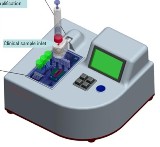 MIRACLE project launched to develop
lab-on-chip for cancer diagnosis MIRACLE project launched to develop
lab-on-chip for cancer diagnosis
The EU funded MIRACLE
project, launched on 1 September, aims to develop an operational
lab-on-chip for the isolation and detection of circulating and
disseminated tumour cells in blood. 3 Sept 2010
Scancell licences human
antibody from Cancer Research Technology
Cancer Research
Technology has licensed Nottingham University spinout Scancell
Holdings to use a human antibody known as 105AD7. 18 August 2010
Natural orifice surgery
removes cancerous prostate through penis
Urologists at Mayo
Clinic in Arizona have developed a new surgical procedure for the
treatment of prostate cancer through the urethra, so that there is
no incision on the body. 12 August 2010
Cytori gains EU approval for
stem-cell-based tissue reconstruction after breast cancer
Cytori Therapeutics has received expanded European approval (CE
Mark) for its Celution System, a medical device that extracts and
separates stem and regenerative cells from a patient’s own fat
tissue, and applications for soft tissue repair. 12 August 2010
MabCure's blood test for
ovarian cancer gets positive results
Cancer diagnostics
developer MabCure, Inc. has announced that a confirmatory study
demonstrated the company’s proprietary monoclonal antibodies (MAbs)
successfully identified ovarian cancer in blood (94% accuracy) and
with no false positives or cross-reactions with benign ovarian
tumours or healthy blood. 12 August 2010
Varian and Brainlab Combine
TrueBeam STx with the Novalis Radiosurgery Program
Varian
Medical Systems and Brainlab are expanding their radiosurgery
partnership to incorporate their Novalis technology and other
Novalis radiosurgery program elements into the recently launched
TrueBeam STx system. 2 August 2010
Prostate cancer seed cells
discovered
New treatments for prostate cancer could result
from the discovery that basal cells found in benign prostate tissue
can turn into cancer cells. 30 July 2010
Common blood protein combined
with nanoparticles kills cancer cells
A normally benign
protein abundant in human blood appears to be able to zero in on and
kill certain cancer cells when paired with nanoparticles, without
having to also load the particles with chemotherapy drugs. 30 July
2010
Larch tree extract used to
deliver drugs inside cancer cells
A cancer drug to a polymer
from the larch tree, researchers at the Technion-Israel Institute of
Technology have developed a 'Trojan Horse' molecule that releases
cancer-fighting drugs inside cancer cells, protecting healthy
tissue. 30 July 2010
Videogame processors reduce
radiation in image guided radiation therapy
A new approach to
processing X-ray data could lower by a factor of ten or more the
amount of radiation patients receive during cone beam CT scans,
report researchers from the University of California, San Diego. 26
July 2010
MRI tracking of tumour
ablation by carbon nanotubes
A new way of monitoring carbon
nanotubes as they destroy tumour cells by laser induced heating has
been developed by researchers from Wake Forest University Baptist
Medical Center. 26 July 2010
Global network of proton
therapy centres for cancer treatment
Proton Therapy USA and
CareCapital are to form a new company, Proton Therapy Global
Management, to develop a global network of proton therapy centres to
provide access to this specialized and highly effective cancer
treatment. 12 July 2010
Genetic mutation in KRAS gene
can trigger melanoma
A genetic mutation found in some
malignant melanomas can initiate development of this most deadly
form of skin cancer, according to a study published in the journal
Cancer Research. 23 June 2010
IntrinsiQ launches
IntelliScribe eprescribing system for medical oncology
IntrinsiQ, provider of IntelliDose, the leading chemotherapy
management software, has launched IntelliScribe, the first
integrated eprescribing system for medical oncology. 18 June 2010
Life Technologies partners
with German Cancer Research Centre to create genome sequencing
centre
Life Technologies Corporation and the Deutsches
Krebsforschungszentrum are collaborating to create the National
High-Throughput Sequencing Center, the first national sequencing
center in Europe dedicated to systems biology. 18 June 2010
CEA-Leti launches study on
photodynamic therapy for cancer treatment
CEA-Leti has
launched the TARGET-PDT project designed to increase the
effectiveness of photodynamic therapy (PDT) for treating cancer by
developing a novel nano carrier-based approach.
14 June 2010
Blood test for detecting cancers five years before visible in diagnostic imaging
A
ground-breaking diagnostic test that can identify biomarkers in
blood for a range of cancers as much as five years earlier than
current diagnostic imaging methods will be launched this month. 2
June 2010
Elekta acquires
ultrasound-guided radiation therapy technology from Resonant Medical
Inc
Elekta has acquired Canadian company Resonant Medical
Inc. (RMI), specialists in image-guided radiation therapy for cancer
treatment. 2 June 2010
Five new genes found that
increase risk of breast cancer
The genes increase the risk of
cancer by between six and 16 per cent and take the total number of
common ‘low risk’ genetic sites associated with breast cancer to 18.
10 May 2010
Magnetic fluorescent nanoparticles highlight brain tumours for MRI and surgery
Scientists at Ohio State University have combined two types of
nanoparticle to create a 'nanocomposite' that is both magnetic and
fluorescent. The aim is to highlight tumours in diagnostic imaging
and visually during surgery. 7 May 2010
Brainlab announces UK symposia
on Novalis Tx radiosurgery platform
Image-guided technology
developer Brainlab is inviting key UK clinicians and healthcare
professionals to a series of free clinical symposia on 27 April in
Bristol, 28 April in Sheffield and 29 April in London. 23 April 2010
Zurich hospital first to give
radiotherapy with new Varian TrueBeam
The University Hospital
of Zürich has become the first in the world to treat cancer patients
with the revolutionary TrueBeam system that can treat a moving
target with unprecedented speed and precision. 22 April 2010
Combined colon and kidney
surgery using single-incision laparoscopy
Surgeons at the
University of California, San Diego School of Medicine have carried
out a single-incision laparoscopy to perform a combined colectomy
and kidney-preserving therapy. 21 April 2010
HD 3D view in robotic surgery
for prostate cancer compensates for lack of touch
Robotic
surgical technology with its three-dimensional, high-definition view
gives surgeons the sensation of touch, even as they operate from a
remote console. Outcomes compare favourably with traditional
invasive surgery. 21 April 2010
Better biomarkers needed for
liver cancer detection
Widely used biomarkers are not optimal
in early detection of liver cancer, the third most common cause of
cancer-related death worldwide, according to a study published in
Gastroenterology. 21 April 2010
Drug screening strategy finds
two prototype cancer drugs
A comprehensive drug development
strategy that starts with extensive screening of potential targeting
agents and then narrows down to a small-molecule prototype has
yielded two potential drugs that block cancer-promoting pathways in
novel ways. 21 April 2010
Residual brain tumour cells
need different treatment from main tumour
Tumour cells left
behind after surgery were found to be substantially different from
the cells in the midst of the tumour mass and could explain why
radiation or chemotherapy cannot entirely prevent this deadly
disease to reoccur. 15 April 2010
Wide variations in treatment
for breast cancer in Europe, USA and Japan
A global study of
nearly 10,000 women with early breast cancer has found wide
variations in how they were treated, despite international consensus
on best practice, according to the May issue of the British Journal
of Surgery. 15 April 2010
Domainex collaboration with
ICR advances breast cancer drug research
Scientists have
discovered drug-like compounds that inhibit an enzyme from the PARP
superfamily, whose expression leads to the survival of breast cancer
cells. These will be screened to find potential drug candidates for
further development. 14 April 2010
Symposium on deuterium
depletion: a new concept in anticancer drug development
The
First International Symposium on Deuterium Depletion will be held on
13-14 May 2010 in Budapest, Hungary to give researchers and medical
practitioners a unique opportunity to get acquainted with a novel
tool for submolecular medicine. 2 April 2010
Genetic test for cancer could
result in reduced side effects from treatment in children
A
genetic analysis technique that can identify a less agressive form
of a cancer could enable children to be given less intensive
treatment than current practice to reduce their risk of damaging
side-effects. 2 April 2010
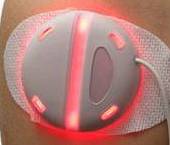 Ambicare
launches light-emitting plaster for skin cancer treatment Ambicare
launches light-emitting plaster for skin cancer treatment
Scottish company Ambicare Health has launched the Ambulight PDT, a
light-emitting skin plaster for the treatment of non-melanoma skin
cancer using 'photodynamic therapy' (PDT). 12 March 2010
Fluorescent nanoparticles
highlight cancerous tissue on operating table
Cell-penetrating molecules carrying fluorescent and magnetic tags
that stick to and light up tumors help surgeons see more of the
tumour tissue on the operating table and make it visible to MRI
scans. 9 Mar 2010
Proton beam imaging for cancer
diagnostics moves a step closer
Using a proton beam scan to
image a patient prior to treatment would give more accurate density
maps and the proton beam would stop more precisely on the tumor. 9
Mar 2010
US HIFU to fund investigation of
focal therapy for prostate cancer in UK
The study, which will
evaluate quality of life outcomes and safety of focal therapy in the
treatment of localized prostate cancer will involve four centers
initially and may expand to as many as 10 centres in the UK. 9 Mar 2010
Mammography gives no added value
in breast cancer screening
A multicentre study of breast cancer
screening has concluded that mammography is unnecessary in women
undergoing MRI and current guidelines should be revised to reflect this.
9 Mar 2010
Breakthrough in real time tracking
of prostate motion during arc radiotherapy
US and Danish
researchers have devised a method for ‘real-time’ tracking of the
prostate motion that shows promise in paving the way for advanced
clinical treatments. 9 Mar 2010
Lilly, Merck, and Pfizer
co-operate to accelerate cancer research in Asia
The three
companies have formed the Asian Cancer Research Group, to accelerate
research and ultimately improve treatment for patients affected with the
most commonly-diagnosed cancers in Asia. 23 Feb 2010
Similar outcomes from open and
laparoscopic prostate surgery
Researchers at the Memorial
Sloan-Kettering Cancer Center, New York compared outcomes in a
population based cohort of almost 6000 men 66 years of age or older with
clinically localized prostate cancer. 23 Feb 2010
Genetic abnormalities predict
prostate cancer survival
The combination of three genetic
abnormalities significantly impacts how long a prostate cancer patient
is likely to survive with the disease, according to scientists at the
Institute of Cancer Research (ICR). 22 Feb 2010
 Clatterbridge
Cancer Centre selects Novalis Tx platform for robotic radiosurgery Clatterbridge
Cancer Centre selects Novalis Tx platform for robotic radiosurgery
The Clatterbridge Centre for Oncology in NW England has ordered a
Novalis Tx radiosurgery platform from Varian Medical Systems and
BrainLAB. 22 Feb 2010
Femtomedicine — the new frontier
of biomedical sciences
Femto-neutrons or ‘femtons’ are fast
neutrons of femtometer wavelength — a million times smaller than nano
scale — that can be used for a completely new rapid method of cancer
diagnostics. 15 February 2010
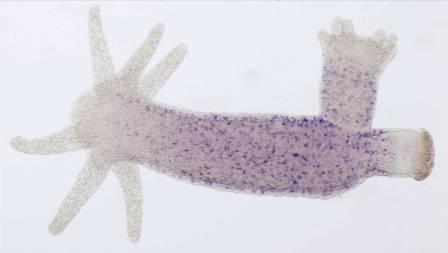 600
million year old cancer gene discovered 600
million year old cancer gene discovered
Biochemists and
biologists at the University of Innsbruck, Austria, have retraced the
function of an important human cancer gene 600 million years back in
time by studying a freshwater protozoan that has changed little in that
time. 15 February 2010
Munich cancer clinic doubles
proton therapy capacity
The Rinecker Proton Therapy Center in Munich has doubled its capacity
to deliver proton therapy with a second treatment room equipped with
pencil-beam scanning technology from Varian. 11 Feb 2010
Northampton Hospital revamps
nuclear medicine department
Northampton General Hospital NHS Trust has revamped its Nuclear Medicine
department with the installation of state-of-the-art imaging equipment
from Siemens Healthcare. 11 Feb 2010
UK Cancer Network implements
Varian electronic prescribing and patient record system
Chemotherapy software that enables patients to become more involved in
managing their own care has been successfully rolled out across The
Thames Valley Cancer Network. 9 Feb 2010
Antibody-coated nanoparticles in
microfluidic chip improve cancer detection 100 fold
The Fraunhofer Institute for Silicate Research is developing a highly
sensitive method for detecting cancer that can detect single molecules
of compounds in the blood that accompany specific types of tumour. 5 Feb
2010
GE Hitachi wins contract to develop US supply of medical isotope molybdenum-99
GE Hitachi Nuclear Energy has been selected by the US Department of
Energy’s National Nuclear Security Administration to help develop a US
supply of a radioisotope used in more than 20 million diagnostic medical
procedures in the United States each year. 28 Jan 2010
‘Junk DNA’ could help diagnose
breast and bowel cancer
Scientists at The University of Nottingham have found that a group of
genetic rogue elements, produced by DNA sequences commonly known as
‘junk DNA’, could help diagnose breast and bowel cancer. 14 Jan 2010
Lung cancer and melanoma genomes
decoded
Research teams led by the Wellcome Trust Sanger Institute have achieved
the first comprehensive analyses of these two cancer genomes.. 16
Dec2009
Colon cancer screening programmes
using the Viatronix V3D virtual colonoscopy platform
Viatronix has announced that several successful screening programs using
the company's virtual colonoscopy technology were highlighted at the
10th International Symposium on Virtual Colonoscopy. 3 December 2009
Michelson Diagnostics presents
advantages of OCT laser imaging for cancer diagnostics at RSM innovation
summit
UK medical imaging firm Michelson Diagnostics Ltd (MDL) presented to an
audience of around 300 Royal Society of Medicine Fellows and Members how
MDL’s revolutionary new laser-based medical imaging technology could
radically improve cancer diagnostics. 2 December 2009
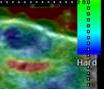 High
frequency ultrasound and skin elasticity can identify skin cancer High
frequency ultrasound and skin elasticity can identify skin cancer
High-frequency ultrasound with elastography can help differentiate
between cancerous and benign skin conditions, according to a study
presented at the annual meeting of the Radiological Society of North
America (RSNA). 2 December 2009
Paxman Coolers launch scalp coolers
for reducing hair loss during chemotherapy
Huddersfield-based Paxman Coolers are launching their next-generation
NPAX1 scalp cooler at Medica in Dusseldorf this week.
Scalp coolers provide cancer patients with the best possible chance of
retaining their hair whilst undergoing chemotherapy treatment. 16 Nov
2009
Manhattan Scientifics and Senior
Scientifics collaborate to develop cancer cell detection system
Manhattan Scientifics and Senior Scientific, LLC are co-operating to
commercialize Senior Scientific’s magnetic needle leukemia cancer cell
detection invention based on the use of nanoparticles. 12 November 2009
Zilico to exhibit pioneering device
for rapid detection of cervical cancer at Medica
A pioneering device that offers a quicker, more accurate detection of
cervical cancer in real time, removing several weeks of waiting for a
diagnosis, is being exhibited by British company Zilico Ltd for the
first time at Medica 2009. 3 Nov 2009
Northern Centre for Cancer Care
upgrades radiotherapy services
The Northern Centre for Cancer Care in Newcastle, UK, is upgrading its
five Siemens Oncor linear accelerators to 160 multileaf collimator (MLC)
capabilities to improve conformal shaping of radiotherapy treatment
beams and IMRT. 27 Oct 2009
First Latvian patients treated with
Varian's RapidArc radiotherapy system
Doctors in Latvia have begun treatments using the region’s first Novalis
Tx radiosurgery platform from Varian Medical Systems and BrainLAB. 21
Oct 2009
Breakthrough in lab-on-chip for
fast breast cancer detection
The EU-funded MASCOT project has developed a set of modular components
for construction of a lab-on-chip system for detection of tumour cells
in blood samples. The modules are now ready for integration into a
single lab-on-chip and clinical evaluation. 14 Oct 2009
GE Healthcare launches global
initiative on 10th anniversary of digital mammography
To commemorate the tenth anniversary of digital mammography and its long
standing commitment to fighting breast cancer, GE Healthcare has created
a digital wall of personal stories from those whose lives have been
touched by breast cancer, as well as doctors, scientists and fundraisers
who work tirelessly against the disease. 12 October 2009.
Deutsch
Español
Francais
Breast cancer detector with a
unique touch
Researchers at Drexel University in the US are developing a new
portable, low-cost, breast cancer detector based on piezoelectric
fingers that measure stiffness and mobility of breast tissue. 5 October
2009
Cancer awareness scheme launched at
English football clubs
A new scheme launched today at five English football clubs will help
educate men about the symptoms and risks of ‘male’ cancers — prostate,
lung and bowel cancer — and encourage them to go to their doctor earlier
when they show the symptoms. 26 September 2009
First evidence of virus in prostate
cancer cells
A type of virus known to cause leukemia and sarcomas in animals has been
found for the first time in malignant human prostate cancer cells. If it
is proven to cause the cancer it would open opportunities for developing
diagnostic tests, vaccines, and therapies for treatment. 11 September
2009
New adaptive cancer therapy system
from Siemens
The IM-RealART Solution enables treatment plans for
radiotherapy to be adapted especially fast to changes in the shape and
position of tumours. The treatment plan cn be revised even while the
patient is still lying on the treatment table. 28 August 2009
Deutsch
Siemens and Impac expand co-operation
in oncology information systems
The partnership will give Siemens customers access to Impac’s oncology
information system (OIS) will develop interfaces for their software to
interoperate. 20 August 2009
Deutsch
Bacterial evolution shows how to
fine-tune novel anti-cancer drug
Biochemists at the Technische Universitaet Muenchen and Nereus
Pharmaceuticals have illuminated a reaction pathway that shows how the
uncontrolled growth of cancer cells can be thwarted by blocking the
action of proteasomes. 20 August 2009
Turkish Hospital Group orders four
RapidArc radiotherapy systems
Acibadem Healthcare Group has acquired four additional radiotherapy
treatment machines from Varian Medical Systems and expanded its
radiotherapy facilities with new centres in Adana and Kayseri. 17 August
2009
Leica Microsystems and A Menarini
Diagnostics extend distribution agreement
Leica Microsystems GmbH and A Menarini Diagnostics Srl have signed a
five-year agreement to extend their successful co-operation in distributing
Leica products in Europe. 7 August 2009
New €1.2 million project to establish
cancer communications network in Europe
An initiative to boost cancer prevention, treatment and care throughout
Europe by improving communications within the cancer community was launched
this week. The Eurocancercoms project is an initiative of the European
Institute of Oncology and is led by ECCO. 22 July 2009
Pioneering cancer treatments developed
at Dutch oncology centre with RapidArc radiotherapy
Doctors at the VU University Medical Center in Amsterdam have developed new
ways to perform radiosurgery on benign acoustic tumours using fast and
precise RapidArc radiotherapy technology from Varian Medical Systems. 17
July 2009
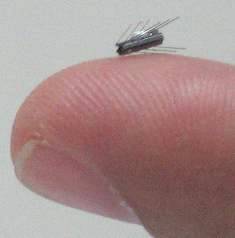 Miniature
robot crawls through veins Miniature
robot crawls through veins
The Technion - Israel Institute of Technology has unveiled a miniature
crawling robot (ViRob) just 1 mm in diameter that has the potential to
perform precise medical procedures inside the human body. 14 July 2009
Chemical nose could provide more
accurate indication of cancer than biomarkers
Using a 'chemical nose' array of nanoparticles and polymers, researchers
have developed a new, more effective way to differentiate between healthy
and cancerous cells and also between metastatic and non-metastatic cancer
cells. 8 July 2009
New discovery shows how cancer spreads
A Finnish-led research group has discovered a mechanism that lung cancer
cells use when spreading around the body to form metastases. 6 July 2009
Focused ultrasound offers better
treatment for prostate cancer
An experimental treatment that uses ultrasound waves to kill prostate cancer
cells may be able to treat men without surgery, with fewer side effects and
with only a short stay in hospital, according to a UK study published in the
British Journal of Cancer. 2 July 2009
Radioactive resin microspheres delay
progression of colorectal cancer liver metastases
The time to progression of disease in patients with colorectal cancer
liver metastases who have exhausted all chemotherapy options can be more
than doubled through the use of radioactive resin microspheres. 29 June
2009
Nucletron strengthens position in
cancer radiation therapy market
Dutch radiation therapy systems company Nucletron BV has announced the
creation of an exclusive partnership and plan to merge with sector peer
Isodose Control BV. 29 June 2009
Mechanism for fine regulation of RNA
synthesis discovered
German and US researchers have discovered a new piece in the puzzle of
epigenetics — they have shown that the enzyme TFIIH kinase is involved
in epigenetic regulation. 29 June 2009
Cancer screening fear is fuelled by
lack of information
Fear plays a major role in whether women decide to go for cancer
screening or not, but healthcare providers underestimate how much women
need to know and wrongly assume that they will ask for information if
they want it. 29 June 2009
Varian introduces fast and precise
brachytherapy planning system
Varian Medical System's BrachyVision Acuros enables clinicians to
rapidly calculate patient doses for brachytherapy treatments with an
extremely high level of accuracy. 10 June 2009
Lantheus Medical Imaging mitigates
impact of global Molybdenum-99 supply crisis
Lantheus Medical Imaging, Inc. has signed an agreement with NTP
Radioisotopes (Pty) Ltd., a subsidiary of the South African Nuclear
Energy Corporation (NECSA), to manufacture and supply Lantheus with an
ongoing volume of molybdenum-99 (Mo-99), a key isotope used in medical
imaging procedures. 5 June 2009
Breakthrough in radiotherapy promises
targeted cancer treatment
A research group from the University Medical Centre Utrecht in the
Netherlands has successfully proven that simultaneous radiation
treatment and diagnostic-quality MRI is feasible. 3 June 2009
Chemical compound that may stop brain
tumours identified
Researchers at the University of North Carolina at Chapel Hill School of
Medicine have identified a compound that could be modified to treat one
of the most deadly types of cancer, and discovered how a particular gene
mutation contributes to tumour growth. 8 May 2009
Modified antibiotics could treat
genetic diseases
By modifying the properties of the common antibiotic gentamicin,
researchers at the Technion-Israel Institute of Technology have
developed what could become an effective treatment for many human
genetic diseases, including cystic fibrosis, Duchenne muscular
dystrophy, Usher Syndrome and numerous cancers. 7 May 2009
Common human virus kills cancer stem
cells
Reovirus, a common virus in humans that does not cause disease, has been
found to effectively target and kill cancer stem cells in breast cancer
tissue. The finding could lead to new ways of treating cancer. 7 May
2009
Leicester University wins £320,000
grant to study magnetic nanoparticles for treatment of prostate cancer
The award will allow a multidisciplinary research team to design
high-performance magnetic nanoparticles that target unique cell surface
receptors present on the prostate tumour cell surface. 24 April 2009
Nanobiotix reports ‘proof of concept’ for nanoparticles in
treating brain cancer
Nanobiotix has announced that an independent
preclinical study has validated the applicability of using its
nanoparticles — nanoPDT — to treat glioblastoma multiforme, one of the
most prevalent brain tumours. 23 April 2009
Breakthrough in preclinical model for
human cancer may lead to new drug development
Aveo Pharmaceuticals has announced findings from its novel
human-in-mouse (HIM) cancer model system, in which it successfully
created invasive human tumours from primary human breast tissue that
develop over time in mice and mimic human tumour behaviours and
response. 23 April 2009
Domainex in collaboration to develop
novel breast cancer drug targets
Domainex has announced a collaboration on drug-discovery programmes with
the Breakthrough Breast Cancer Research Centre and The UK Institute of
Cancer Research to identify and develop inhibitors of two recently
validated breast cancer targets, tankyrase and IKK-epsilon. 23 March
German healthcare group selects Varian
linear accelerators for radiotherapy
The HELIOS Kliniken Group is acquiring nine linear accelerators from
Varian Medical Systems (NYSE: VAR), the majority of them equipped with
RapidArc technology. The new machines will replace older models and add
capacity that will give more patients access to the most advanced cancer
care. 23 March 2009
Proof-of-concept for breast cancer
diagnostics shown for ExonHit's RNA splicing platform
Paris-based ExonHit Therapeutics has reported the publication in Lancet
Oncology of a study conducted by Institut Gustave Roussy, which
describes the identification of a deregulated cell function in breast
cancer through the analysis of alternative RNA splicing. 23 March 2009
Minimally-invasive surgery needs more
data on outcomes
Minimally-invasive oncologic surgery procedures can be beneficial, but
physicians need to be prudent when recommending the option to their
patient. There is little data from randomized controlled clinical trials
to provide any insight into outcomes or survival rates. 23 March 2009
Virtual colonoscopies show value for
some patients, but polyps will be missed
Research findings from meta-analyses performed by the US ECRI Institute
suggest that CT colonography appears most promising for screening
asymptomatic, average-risk patients; however, it will miss some
important polyps and cancer that would have been detected by
colonoscopy. 23 March 2009
Kinaxo contributes quantitative
phosphoproteomics platform to find a drug to treat pancreatic cancer
German company Kinaxo Biotechnologies GmbH has been awarded a grant to
expand applications for its quantitative phosphoproteomics platform to
contribute to a drug efficacy study to find a treatment for pancreatic
cancer. 27 February 2009
Innovative therapies needed to deal
with rapid spread of cancer in Europe
Cancer may well surpass cardiovascular diseases as the primary case of
death in Europe by 2012. To prevent this from happening, cancer
therapeutics will have to shift in focus from the treatment of symptoms
to offering a total cure, according to a new report from Frost &
Sullivan. 27 February 2009
GE installs first series of
breakthrough molecular imaging scanners
GE Healthcare has announced the installation of the new Discovery PET/CT
600-series scanners in hospitals in France, the USA and Australia. They
provide earlier diagnosis, more accurate tumour location and better
assessment of how a patient is responding to cancer treatment. 22
February 2009
Varian receives European approval for
proton therapy system
Proton therapy allows doctors to use higher doses of radiation to
control and manage tumours while significantly reducing damage to
healthy tissue and vital organs. 22 February 2009
Gold nanospheres target and destroy
cancer cells
Hollow gold nanospheres equipped with a targeting peptide find melanoma
cells, penetrate them deeply, and then cook the tumour when bathed with
near-infrared light, a research team led by scientists at The University
of Texas MD Anderson Cancer Center has reported. 16 February 2009
Source of cancer stem cells'
resistance to radiation discovered
Stanford University researchers have found that the protection takes the
form of the increased expression of proteins that can bind and
deactivate reactive oxygen species, highly unstable small molecules that
wreak havoc on a cell’s DNA and proteins. 16 February 2009
Cambridge University research group
employs Fluidigm’s EP1 genotyping system for cancer studies. 16
February 2009
New indicator of prostate cancer
discovered
Researchers from the University of Michigan Comprehensive Cancer Center
have discovered that the presence of the chemical sarcosine appears to
indicate aggressive prostate cancer. 11 February 2009
Revolutionary treatment offers new
hope to Russian cancer patients
Two of Russia’s leading research centres have purchased Elekta Axesse
systems which will allow clinicians to treat cancer tumours throughout
the body with ultra-high precision. 11 February 2009
B&W and Covidien to develop US source
of key medical isotope
Babcock & Wilcox Technical Services Group, Inc. has signed an agreement
with Covidien to develop technology for the manufacture of
molybdenum-99, the parent isotope of technetium-99m, the most widely
used radioisotope for molecular imaging and nuclear medicine procedures.
9 February 2009
Tomotherapy radiation treatment
planning software gains FDA clearance
Swedish company RaySearch Laboratories AB and TomoTherapy Inc have
announced that their jointly produced new software solution for the
Tomotherapy Hi-Art linear accelerator has received clearance by the FDA
for market launch in the US. 9 February 2009
Cancer patients in Sweden and Estonia
receive advanced radiation therapy treatments
Uppsala University Hospital and Lund University Hospital in Sweden and
Tartu University Hospital in Estonia have invested in advanced
radiotherapy systems from Elekta. 9 February 2009
First cancer centre in Germany to use
Varian RapidArc treatment
Three prostate cancer patients have become the first people in Germany
to be treated using Varian's new, faster form of radiotherapy that
potentially enables doctors to improve outcomes while extending more
advanced care to more patients. 31 January 2009
Milan Cancer Centre treats first
patient in Italy with RapidArc radiotherapy
A pancreatic cancer patient has become the first person in Italy to be
treated using a new, faster form of radiotherapy from Varian Medical
Systems. 15 January 2009
Clarient launches gene expression test
for prostate cancer
Clarient, Inc. has announced the commercial launch of its new gene
expression test for prostate cancer. This new test will be available
through Clarient’s virtual reporting tool and accessible to the
company’s entire pathology network. 15 January 2009
Roche licenses Fujirebio's ovarian
cancer test
Fujirebio Diagnostics, Inc. has granted Roche Diagnostics a worldwide
license and supply agreement for its HE4 ovarian cancer test. Roche will
develop an assay kit using the test on its automated immunoassay
analyzers. 9 January 2009
Belfast and Dublin join in £1.5m
cancer research project
New treatment options for cancers with low survival rates are to be
developed as the result of a new £1.5 million project between Queen’s
University Belfast and Trinity College Dublin. 8 January 2009
Covidien’s microwave ablation system
for liver tumours gains FDA clearance
Covidien's Evident microwave ablation system is intended for use in the
ablation of nonresectable liver tumours. It offers a procedural option
for patients who are not candidates for surgical resection and have few
remaining treatment options. 8 January 2009
First UK prostate patient treated with
RapidArc radiotherapy
A 65-year-old grandfather of six has become the first cancer patient in
the UK to be treated using RapidArc radiotherapy technology from Varian
Medical Systems. 17 December 2008
New molecular imaging technique
targets hard to detect breast cancers
Breast-specific gamma imaging (BSGI), an emerging molecular imaging
technology, is effective in the detection of cancers not found on
mammograms or by clinical exam. 10 December 2008
Staffordshire hospital modernises
radiotherapy department with Varian RapidArc linear accelerator
Cancer patients will receive faster, more advanced cancer treatments as
part of a major project to modernize the University Hospital
radiotherapy department serving North Staffordshire in central England.
26 November 2008
Marillion Pharmaceuticals licenses
Bracco Imaging's novel targeted prostate and breast cancer treatments
Bracco’s treatment for hormone-resistant prostate and advanced
(metastatic) breast cancers has unique targeting capability that enables
it to home in on tumour cells and spare normal tissues. 24
November 2008
ArQule and Daiichi-Sankyo in strategic
partnership to develop novel anti-cancer compounds. 24 November 2008
Max Planck Institute of Biochemistry
uses MathWorks parallel computing tools for cancer research
The Institute studies the relationship between the structure and
activity of macromolecular protein complexes, which requires processing
of vast amounts of data. 24 November 2008
Optimized radiation for prostate cancer therapy
In a cooperative study with Innsbruck Medical University and the
East-Vienna Center of Social Medicine, two physicists of Vienna
University of Technology (TU), evaluated the mean deviation of radiation
parameters for prostate cancers and compared various sources of
radiation. 23 October 2008 Deutsch
New study examines effectiveness of
colorectal cancer screening tests
New findings from a Decision Analysis for the US Preventative Services
Task Force (USPSTF) suggest that routine colorectal cancer screenings
can be stopped in patients over the age of 75. The results are based on
patients who began screenings at age 50 and have had consistently
negative screenings up to the age of 75. 16 October 2008
Optics meets medicine at US Optical
Society meeting
A few of the many technical highlights to be discussed at the meeting: a
new look at mini-strokes; a potential new tool for brain surgeons; new
technique for mapping blood supply in retina increases safety and
comfort of exams; the optics of Alzheimer's disease; potential
non-invasive optical detection of pancreatic cancer; the neuron
microscope, treating bone cancer and futuristic lighting at FiO. 16
October 2008
Website to help prostate cancer
specialists make better treatment choices
A free online computer tool, the CaP Calculator, provides cancer
specialists access to the latest prostate cancer research and helps them
better individualise each patient’s treatment options. 6 October 2008
New imaging technique for rare thyroid
cancer
A new imaging approach for identifying a rare form of thyroid cancer
that is typically hard to diagnose has been developed by researchers at
the University of Iowa. 6 October 2008
bioMérieux to develop non-invasive
test for prostate cancer
French in vitro diagnostics company bioMérieux has signed a license and
development agreement with German biotechnology company ProteoSys for
its novel prostate cancer marker Annexin 3, which will be used to
develop a urine-based, confirmatory diagnostic test for prostate cancer.
2 October 2008 Francais
GE Healthcare gains FDA approval for
diagnostic imaging agent for detecting neuroendocrine tumours
GE Healthcare's AdreView is a molecular imaging agent that provides high
quality images that allow physicians to detect tumours, both at the time
of initial diagnosis and at later examinations when relapse or
recurrence is suspected. 28 September 2008
RapidArc image-guided radiotherapy
treating tumours of the head and neck
Cancer treatment centres in the United States and the Netherlands are
now treating head and neck cancer using RapidArc radiotherapy technology
from Varian Medical Systems. 23 September 2008
New technology for manufacturing
radioisotopes for cancer diagnostic imaging
Newly-developed technology at the Delft University of Technology in the
Netherlands could prevent global shortages of radio isotopes for cancer
diagnosis. 18 September 2008
Cryopreservation can restore fertility for women cancer victims
Advances in cryopreservation are increasing hope of restoring fertility
for women after diseases such as ovarian cancer that lead to destruction
of reproductive tissue. 18 September 2008
RapidArc radiotherapy technology now
treating tumours of the head and neck
Doctors at cancer treatment centres in the United States and the
Netherlands are now treating head and neck cancer using RapidArc
radiotherapy technology from Varian Medical Systems. 17 September 2008
US National Cancer Institute signs up to
Thomson Reuters' BIOMARKERcenter.
The National Cancer Institute's Developmental Therapeutics program and
the associated Biomarker Program will integrate BIOMARKERcenter into its
programme to investigate novel chemical and biological agents for their
potential to improve cancer therapeutics. 12 September 2008
Francais
Español
Report: Top
20 cancer therapy brands
Cancer therapy brand sales totaled over $30 billion in the seven major
markets in 2007, growing by 20.1% since 2006. The high growth of this
market makes it attractive to companies keen to emulate the blockbuster
status achieved by several brands. However, with several impending
patent expiries due, companies will need to work hard to maximize their
return throughout the lifecycle of their brands. 9 September 2008
Diagnostic imaging tests across Europe
disrupted by isotope shortage
The closure of three European nuclear reactors producing medical isotopes is
causing a worldwide shortage of the isotopes and limiting European hospitals
to between 20% and 40% of their usual nuclear medicine activities, the
European Association of Nuclear Medicine has warned. 8 September 2008
DNA technology shows high sensitivity for
colorectal cancer from stool sample
EXACT Sciences Corporation (NASDAQ: EXAS) has announced the results of a
study that showed that improved 'BEAMing DNA' detection technology
demonstrated 92% sensitivity for detecting colotectal cancer from stool
samples. 27 August 2008
iCAD records revenue growth of 73%
Computer-aided cancer detection systems supplier iCAD, Inc. has announced
announced record revenue of $10.5 million for the second, quarter of 2008 up
73% over last year. 1 August 2008
Three Novalis Tx radiosurgery platforms
ordered by Danish cancer hospital
Varian Medical Systems and BrainLAB AG have announced that one of
Scandinavia’s leading cancer centres has ordered three Novalis Tx
radiosurgery platforms which combine the most advanced technologies from
both companies to offer superior non-invasive radiosurgery for patients. 30
July 2008
Varian ranked first in oncology IT vendors
Varian Medical Systems was ranked the leading supplier in its class in an
independent study released by KLAS, a research firm that specialises in
monitoring and reporting on the performance of healthcare vendors. 16 July
2008
Colonoscopies to check for bowel cancer under
used in Germany
Under 2% of persons aged over 55 in Germany use colonoscopies for
early detection of cancer, even though the statutory health insurance
funds have covered the costs since 2002. 5 July 2008
Carbon nanotubes attached to antibodies
kill cancer cells under infrared light
Carbon nanotubes attached to monoclonal antibodies that target specific
sites on lymphoma cells can kill the cells by heating up when exposed to
near-infrared light. 25 June 2008
Is low radiation good for health?
An article published in the International Journal of Low Radiation
claims that short-term low doses of radiation are good for health through
boosting the immune system and increasing antibody production. The author
also claims that humans can be deficient in radiation. 19 June 2008
Image-guided radiotherapy unveiled at
Dijon cancer hospital
The Georges-François Leclerc Cancer Center in Dijon, France has installed a
Varian Medical Systems Trilogy linear accelerator, which will enable it to
provide image-guided stereotactic treatments. 19 June 2008
Wavelets speed up diagnosis of brain
tumours
Researchers at the University of Warwick have devised an automated technique
that can give a preliminary analysis of a precise brain tumour type within
seconds. 17 June 2008
Lung cancer in Europe not prioritised
despite poor survival rates
The fragmented organisation and management of lung cancer diagnosis and care
in many European countries are exacerbating already poor survival rates
amongst patients with the disease, according to a report from a group of
leading Swedish researchers. 6 June 2008
Identification of prostate cancer genes
opens door to new treatments
For the first time researchers have identified the genetic profile of
prostate cancer stem cells. The study by the YCR Cancer Research Unit at the
University of York, England, and Pro-cure Therapeutics Ltd, could lead to
new ways for treating the cancer. 22 May 2008
Danish and Dutch hospitals first in Europe
to use Varian's RapidArc radiotherapy
Cancer patients at Copenhagen’s Rigshospitalet and Amsterdam’s VU University
medical centre have benefited from Varian's advanced form of
intensity-modulated radiotherapy (IMRT). 18 May 2008
Record demand for Varian's RapidArc
radiotherapy treatment
Varian Medical Systems (NYSE: VAR) has announced it has received more than
60 orders for its new RapidArc radiotherapy product for faster image-guided
intensity-modulated radiotherapy (IMRT). 29 April 2008
CyberKnife delivers high dose
brachytherapy for prostate cancer non-invasively
The CyberKnife robotic radiosurgery system can serve as a non-invasive means
for delivering high dose rate (HDR) brachytherapy dosing, according to a new
study. The study supports the system's clinical flexibility in treating
prostate cancer and expands the non-invasive options available to clinicians
and patients. 18 April 2008
MRI can non-invasively characterise brain
tumours
Magnetic resonance imaging (MRI) technology has the potential to
non-invasively characterise tumours and determine which of them may be
responsive to specific forms of treatment, based on their specific molecular
properties. 24 March 2008
Axellis announces 'global expansion' with
three acquisitions
Axellis Ltd, a UK and US based medical technology company, has announced
three acquisitions, which it says are part of a strategy to become a
leading, global provider of specialist hardware and software solutions to
optimise treatments in oncology and cardiology. 19 March 2008
New breast cancer test uses magnetic
nanoparticles to detect cancer cells
A team from University College London has developed a new medical device
called the ‘HistoMag’ that will make the early detection of breast cancer
more accurate, cost effective and easier to administer. 10 March 2008
DNA test for assessing risk of prostate
cancer
deCODE genetics has launched a test that can identify genetic markers
associated with increased risk of prostate cancer. The company believes the
test will better predict the risk of prostate cancer and help to optimize
both screening and treatment. 20 February 2008
Royal Marsden Hospital completes world's
first VMAT radiotherapy treatment
The Royal Marsden Hospital in Sutton, UK, successfully completed the first
volumetric modulated arc therapy (VMAT) radiation treatment for cancer in
the world using a commercial product. 18 February 2008
US representatives call for more funding
for prostate cancer research
Prostate cancer has become more common than breast cancer, yet advanced
diagnostic imaging technologies comparable to mammograms remain unavailable.
Over 20 US representatives have urged the US Department of Health and Human
Services and National Institutes of Health to urgently fund research into
the disease. 18 February 2008
Elekta signs brachytherapy sales sharing
agreement with Xoft
Elekta will share identified sales opportunities for Xoft's Axxent electonic
brachytherapy system in the radiation oncology market. The companies will
also explore other areas of collaboration. 8 February 2008
US oncology group aims to revolutionise
cancer care with free online service
A website set up by Georgia Cancer Specialists (GCS) in the US aims to
change the way oncology professionals prescribe chemotherapy to cancer
patients. 30 January 2008
An invitation to Europe’s largest forum on
breast cancer
The 6th European Breast Cancer Conference (EBCC-6) will be held in Berlin
15-19 April 2008
UK strategy to improve cancer services
The UK government has published a five-year cancer strategy focussing on
prevention and improving services. The report identifies the need to tackle
the serious shortage of radiotherapy capacity and radiographers, delays in
uptake of new cancer drugs and the need to encourage the spread of improved
surgical techniques. 15 January 2007
First annual pan-Asian computerised
tomographic colonography congress
Leading radiology experts from China, Korea, Japan and the UK have draw up
plans this week for the first ever pan-Asia computerised tomographic
colonography (CTC) Congress. 13 December
Varian image-guided radiotherapy selected
for Portsmouth hospital
The new Queen Alexandra Hospital in Portsmouth, UK, will receive four
high-energy Clinac iX linear accelerators supplied by Varian Medical
Systems. They will be equipped with on-board imager devices for advanced
image-guided radiation therapy (IGRT) treatments. 12 December
 Miniaturised,
low-cost device to monitor radiation exposure during radiotherapy Miniaturised,
low-cost device to monitor radiation exposure during radiotherapy
A team from the University of Granada (UGR) and the Hospital Virgen de las
Nieves has developed a portable and low-cost device which can measure the
ionizing radiation a patient is exposed to during, for example,
radiotherapy. 18 November 2007 Varian
improves brachytherapy treatment
Varian Medical Systems has the iX range of advanced afterloaders that
simplify high dose rate brachytherapy delivery and optimise treatment of
cancer patients. 2 November Ultrasound
diagnostic tool could improve non-invasive treatment of prostate cancer
HistoScanning, a novel processing technology for ultrasonography could
improve the treatment and monitoring of prostate cancer and help avoid
unnecessary invasive procedures. 17 October 2007
Elekta launches compact linear accelerator
Elekta has unveiled the Elekta Compact, a linear accelerators with a single
low-energy photon beam and a small footprint, designed for use in a small
treatment room and in specialized markets. 26 September 2007
IMAGNA to develop therapeutic vaccine
against cat fibrosarcoma
The IMAGNA consortium is to study the usefulness of therapeutic tumour
vaccination by magnetofection technology in a clinical study in cats with
fibrosarcoma. Preliminary results indicate significant reduction in tumour
relapse rates. 24 September Laser scan
of veins detects cancer
Technology that can detect tumour cells by scanning surface veins with a
laser, eliminating the need for drawing blood, has been developed by Purdue
University researchers. 20 September 2007
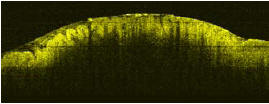 Successful
trial of optical imaging of tissue during cancer surgery Successful
trial of optical imaging of tissue during cancer surgery
The tests, performed on cancerous and precancerous human oesophagus
and lymph node tissue, were designed to establish the potential for
MDL’s optical imaging technology to revolutionise cancer surgery. 13
September 2007
im3D's CAD-Colon diagnostic system
deployed in hospitals across Italy
im3D Medical Imaging Lab, a research centre based in Torino, Italy has
installed its diagnostic system in thirteen healthcare facilities. It is
being used to support medical specialists in the early diagnosis and
prevention of colorectal tumours. 12 September 2007
Novel cell culture technique shows tumours
selectively uptake nanoparticles
A novel cell-culture technique devised by scientists at The University of
Nottingham has shown that nanoparticles can deliver drugs selectively to
brain tumour cells. 12 September 2007
MRI beats mammography in detecting
early-stage breast cancer
A study by researchers at the University of Bonn has shown that magnetic
resonance imaging (MRI) is more accurate than mammography in diagnosing very
early stages of breast cancer. 21 August 2007
 Compact
proton accelerator could revolutionise radiotherapy Compact
proton accelerator could revolutionise radiotherapy
The prospect of more widely available proton radiation therapy has moved
closer with the development of a compact device called a dielectric wall
accelerator (DWA) that could fit in standard treatment rooms and allow
modulation for more precise treatment. 3 August 2007.
First US hospital to use Gamma Knife
Perfexion to treat brain tumours
The Washington Hospital Healthcare System will be the first hospital outside
of Europe to treat brain tumour patients using the new incision-free Leksell
Gamma Knife Perfexion from Swedish company Elekta. 15 June 2007
InSightec receives EU approval for
treating bone cancer pain with focused ultrasound
The ExAblate 2000 system, produced by InSightec Ltd., has received the
European CE Mark certification for pain palliation of bone metastases. 13
June 2007
GE to supply digital mammography units to
Irish breast screening programme
GE Healthcare is supplying 13 full field digital mammography (FFDM) units to
BreastCheck in Ireland, part of the Irish National Cancer Screening Service.
7 June 2007
Antwerp radiotherapy centre chooses
TomoTherapy cancer treatment system
The new University Radiotherapy Centre of Antwerp has chosen the TomoTherapy
Hi·Art treatment system for providing radiation therapy, and the Centre will
serve as a European training facility for TomoTherapy. 7 June 2007
GE Healthcare and IntrinsiQ to integrate
cancer treatment system with patient records
GE Healthcare and cancer care software supplier IntrinsiQ, LLC are to
collaborate to integrate IntrinsiQ's cancer treatment information system
with GE's Centricity electronic medical record (EMR) system. 7 June 2007
 Invendo
demonstrates sedationless colonoscopy Invendo
demonstrates sedationless colonoscopy
invendo medical GmbH demonstrated a live screening colonoscopy using its
sedation-free colonoscope, the invendoscope, in Berlin in May. The device is
aimed at the large number of people who avoid colonoscopy because of the
discomfort of the examination. 6 June 2007
New device disrupts cancer cell growth
with electric fields
A medical device that can specifically target rapidly growing cancer cells
with intermediate frequency electrical fields more than doubled the survival
rates in early trials of patients with a brain tumour, and with virtually no
adverse effects. 5 June 2007
Varian radiotherapy systems for three
Danish hospitals
Hospitals in Herlev, Copenhagen and Naestved will receive state-of-the-art
radiotherapy equipment, software and networking systems from Varian Medical
Systems. 22 May 2007
Trial of one-dose radiation therapy for
breast cancer
Doctors at University College London Hospitals (UCL) are leading a trial of
a technique to reduce radiotherapy treatment for breast cancer from several
weeks to one 30-minute session during surgery. 20 May 2007
Call for mass screening in Europe to
prevent 200,000 deaths from colon cancer
Leading European scientists, physicians and politicians have called for
national action plans across Europe to screen for colon cancer and prevent
the 200,000 unnecessary deaths each year. Virtually all colon and rectal
cancers can be either prevented or cured, yet little effective action has
been taken since screening was recommended in 2003. 19 May 2007
Español
Francais
Report on developing radiotherapy services
in England
The report says there is still a need to increase services to meet current
and future demand, there should be greater choice and there is a need for
more community-based services. 17 May 2007
RaySearch Laboratories to develop
radiotherapy software for Varian
RaySearch will develop advanced radiation therapy treatment planning
software for integration into Varian’s Eclipse treatment planning system. 15
May 2007
Treating colorectal cancer with
lymphocytes is alternative to chemotherapy
Researchers at Karolinska Institutet in Sweden have discovered a new method
of treating advanced colorectal cancer without the need for chemotherapy. By
removing special lymphocytes (white blood cells), cultivating them and
returning them to the patient's body, scientists can strengthen the
patient's immune defence and stop the spread of the tumour. 13 May 2007
CT screening for lung cancer does not
increase survival
A US-Italian study of the use of computed tomography (CT) to screen current
or former smokers for lung cancer has found that screening did not reduce
deaths from lung cancer. Screening found more than three times as many lung
cancers and ten times as many surgeries were performed, but there was no
effect on survival rate. 29 March 2007
Memmingen cancer clinic first in Germany
to offer image-guided radiotherapy
Klinikum Memmingen in Bavaria has begun treating cancer patients with a new,
more precise form of radiotherapy using a linear accelerator and special
on-board imager accessory from Varian Medical Systems. 26 March 2007
New partnerships to trial optical
coherence tomography for cancer identification
Two UK hospitals have teamed up with Michelson Diagnostics Ltd to test the
use of optical coherence tomography (OCT) for the rapid identification of
cancers as an alternative to biopsies. 7 March 2007
Misonix expands distribution of ultrasound
surgical devices in Europe. 21 February 2007
Image-guided radiosurgery system for new
Dublin hospital
The newly opened Beacon Hospital in Sandyford, Dublin has ordered Europe’s
first Trilogy Tx image-guided radiosurgery system from Varian Medical
Systems. 7 Feb 2007
Swedish Cancer Institute first to offer
organ-motion tracking for precision-treatment of prostate cancer
The Seattle-based Institute is the first to offer prostate cancer treatment
with the Calypso 4D Localization System for precision-guided radiation
therapy with organ-motion tracking, giving the ability to pinpoint a
prostate tumour's location with greater accuracy and reduced side-effects. 5
Feb 2007
Gamma camera detects small breast tumours
The new technique, called molecular breast imaging, can complement
mammography but will be much more comfortable for women as less pressure is
needed for imaging. 19 Dec 2006
Aarhus hospital pioneers image-guided
brachytherapy for gynaecological cancers. 6 Dec 2006
Elekta wins 30-year contract to equip new
UK cancer centre. 1 Dec 2006
Nucletron and RaySearch cooperate to
develop proton therapy planning software
The companies have signed a long-term development and license agreement that
will result in a new proton treatment planning and optimization module that
will be fully integrated in Nucletron's Oncentra MasterPlan software. 28 Nov
2006
Software to predict risk of breast cancer
returning after treatment
Doctors have created a computer tool to predict the risk of breast cancer
returning in the same breast in women who have had breast conserving
surgery. 14 Nov 2006
Philips introduces new MR simulator and CT
applications. 8 Nov 2006
Precisely targeted cancer treatment for
East Netherlands
The Medische Spectrum Twente (MST)hospital in Enschede, east Netherlands has
installed the country's first On-Board Imager (OBI) device for image-guided
radiotherapy. The device can reduce treatment margins to within 2mm-3mm
accuracy, allowing clinicians to focus a higher radiation dose on the
tumour. 2 Nov 2006
Detecting skin cancer by sound waves
Researchers at the University of Missouri-Columbia have developed a
technique to detect the spread of skin cancer cells through the blood by
listening to their sound. The minimally invasive technique uses a laser to
make the melanoma cells emit ultrasound noise. 30 October 2006
Misonix expands high intensity focused
ultrasound business to Spain
30 October 2006
Combination of radiation therapies more
effective treatment for prostate cancer
Studies have shown that a combination of different radiotherapeutic methods
are able to increase the efficacy of radiation for prostate cancer at an
early stage. Combined hormone and radiation therapy has also been shown to
benefit prostate cancer patients if they have a high risk of disease
progression. 27 Oct 2006
Computer-aided detection of mammograms
improves breast cancer screening
In screening mammograms for breast cancer, the performance of
radiologists using computer aided detection (CAD) was superior to double
reading, according to a recently published UK study. 18 October 2006
Pioneering image-guided radiotherapy at
university hospital of Leuven, Belgium
The hospital UZ Gasthuisberg has installed the new type of cancer treatment
supplied by Varian Medical Systems. It enables patients to receive more
precise radiotherapy using X-ray imaging during treatment to locate and
focus beams more closely on tumours. 7 Oct 2006
Varian Medical Systems to equip Genk
Cancer Clinic in Belgium
A new radiotherapy centre that will provide patients in the north-east of
Belgium with greater access to advanced cancer treatments will be equipped
with Varian Medical Systems’ integrated and automated treatment equipment
and software. 19 Sept 2006
Mount Vernon Cancer Centre selects Ziehm
mobile C-arm. 18 Sept 2006
Varian supports new UK radiography
training centre.
Varian has donated ten Eclipse treatment planning systems to the new Saad
Centre for Radiography Clinical Skills Education at London’s City
University. 15 Sept 2006
Cancer Patients in Western Australia to
benefit from Varian's state-of-the-art radiotherapy treatment. 28 August
2006
Heidelberg clinic first in Germany to
offer TomoTherapy radiotherapy treatment. 22 August 2006
Philips' new tumour mapping software paves
way for adaptive radiation therapy
Royal Philips Electronics has released new software that reduces the time it
takes to contour tumours and anatomical structures. This is a crucial aid in
adapting image-guided radiation therapy to patients' treatment plans based
on their response to daily treatment. 17 August 2006
Cromwell Hospital first in UK to order
Elekta's new stereotactic radiosurgery system. 9 August 2006
Malaysian cancer centre offers
high-precision radiotherapy with Varian's Trilogy accelerator
The NCI Cancer Hospital in Nilai can now offer the latest in high-precision
radiotherapy techniques, including intensity modulated radiotherapy (IMRT),
image-guided radiotherapy (IGRT) and stereotactic radiosurgery. 26 July 2006
Imaging technology identifies compounds
that can fight tumours
Using a newly developed drug screen and combining molecular imaging
techniques with human cancer cell culture, researchers at the University of
Pennsylvania School of Medicine have discovered small-molecule compounds
that can perform the functions of a tumour-killing gene commonly mutated in
many types of cancer. 21 July 2006
First patient treated with Elekta's new
non-invasive radiotherapy system for brain tumours
The Leksell Gamma Knife Perfexion from Swedish company Elekta has for the
first time been used clinically to treat patients at Hôpital
de la Timone (University Hospital La Timone) in Marseille, France. 17 July
2006
Varian oncology software benchmarked by UK
Health Service
Varian Medical Systems’ medical oncology software for integrated
chemotherapy e-prescribing and pharmacy dispensing has performed strongly in
a benchmark test against a national specification by the UK’s National
Health Service. 10 July 2006
Bristol Hospital offers Sonablate prostate
cancer treatment on fee-per-use basis
Southmead Hospital, part of North Bristol NHS Trust in England, will offer
high intensity focused ultrasound (HIFU) treatment of prostate cancer using
the Sonablate 500 on a fee-per-use basis, joining 40 sites in the UK that
can make the treatment more widely available. 5 July 2006
Ipswich Hospital pilots image-guided
radiotherapy to improve breast cancer treatment
The study will examine the feasibility of using image guided radiotherapy
for post-lumpectomy breast cancer patients. IGRT improves imaging of the
cancer site at the time of treatment and can track and adjust for tumour
motion caused by the patient. 23 June 2006
Italian National Cancer Institute chooses
Ablatherm-HIFU to treat prostate cancer
The Italian National Cancer Institute, Centro Referimento Oncologico (CRO),
in cooperation with Pordenone Hospital in Aviano has chosen the
Ablatherm-HIFU technology from EDAP TMS S.A. for the treatment of prostate
cancer. 23 May 2006
Accuray reports growing acceptance of
CyberKnife robotic radiosurgery system
Accuray Incorporated has announced that spinal tumour treatments with its
radiosurgery system grew more than 75% over the last year. The company has
also announced the first installations of CyberKnife in Greece and Vietnam.
9 May 2006
Ten years of high intensity focused
ultrasound treatment for prostate cancer
EDAP presented 10-year Ablatherm - HIFU European experiences and a review of
results of treatments dating back to 1995 at a special dedicated symposium
during the European Association of Urology conference in Paris, 5-8 April.
23 April 2006
 Implantable
wireless device for measuring radiation dose in tumours Implantable
wireless device for measuring radiation dose in tumours
Engineers at Purdue University are creating a wireless device the size of a
rice grain that could be implanted in tumours to tell doctors the precise
dose of radiation received and locate the exact position of tumours during
treatment. 19 April 2006
Four TomoTherapy Systems for German
universities
The German Research Association (DFG) plans to install four TomoTherapy
Hi-Art Systems in major universities in Germany later this year. 31 January
2006
Varian to equip new Oxford cancer
centre in 31-year PFI contract
Varian Medical Systems has been selected to equip the new unit at Oxford
Churchill Hospital in one of Europe's largest PFI (private finance
initiative) projects. 31 January 2006
RISO receives first twinned TomoTherapy
systems in Netherlands
The
Radiotherapeutisch Instituut Stedendriehoek en Omstreken,
in Deventer, Netherlands will receive two twinned TomoTherapy Hi·Art Systems
systems to provide advanced radiation therapy treatment. 28 January 2006
Robotic prostatectomy protects sexual
function
A year-long study by Henry Ford Hospital found patients who underwent a
robotic radical prostatectomy had significantly better erectile function
outcomes than those who received conventional nerve-sparing surgery without
compromising cancer control. 11 January 2006
GE Healthcare to distribute optical
imaging agent for bladder cancer
PhotoCure ASA of Norway has granted GE Healthcare rights to market and
distribute PhotoCure’s product Hexvix (hexaminolevulinate), an optical
molecular imaging agent intended for the diagnosis and monitoring of bladder
cancer. 10 January 2006
Liver tumours treated effectively by
MR-guided laser ablation
Destruction of cancerous liver tissue by laser light guided by magnetic
resonance (MR) imaging was found to be as effective as traditional surgery
in a Germany study. 20 December 2005
Tactile sensing device for documenting
clinical breast exams
Medical Tactile, Inc. (MTI) has announced the start of commercial sales of
its first product, the SureTouch Visual Mapping System. 19 December 2005
Chinese breast cancer program selects
iCAD computer-aided detection system. 12 December 2005
England's cancer research network
chooses data-management system for clinical trials
The National Cancer Research Network (NCRN) has selected Medidata Solutions'
Rave software to manage data for initially eight and up to 250 clinical
trials. 12 December 2005
More sensitive imaging system for
detecting breast cancer
Trials conducted at Duke University with several mastectomy and patient
cases suggest that the new tomosynthesis system is able to detect subtle
mass lesions otherwise difficult to pick up with standard mammography. 12
December 2005
Suros Breast Biopsy system gains EC
approval
Suros Surgical Systems has received European approval for its ATEC breast
biopsy and excision system and ATEC TriMark biopsy site identification
system. 9 December 2005
Siemens Medical Solutions to distribute
Nucletron oncology system worldwide
Dutch company Nucletron BV and Siemens Medical Solutions have announced a
worldwide distribution agreement for Nucletron's Oncentra MasterPlan.
30 November 2005
Next-generation surgical robot for
therapeutic radiology unveiled
Accuray has launched the latest generation of its intelligent robotic
radiosurgery system, CyberKnife. It combines image-guidance technology
and computer-controlled robotics to deliver sub-millimetre radiosurgery. 13
November 2005
Oncology information system for
paperless and filmless cancer clinics
The ARIA Oncology Information Management System, is a new real-time
management system and database product from Varian Medical Systems for
operating filmless and paperless cancer clinics that offer radiation
therapy, chemotherapy, and/or surgery. 5 November 2005
Radiofrequency ablation of breast
cancer cells reduces need for further surgery
A clinical trial conducted at the University of Arkansas Cancer Research
Center has found that radiofrequency ablation (RFA)-assisted lumpectomy
reduced the need for re-excision for inadequate margins following lumpectomy
by 86%. 30 October 2005
Breast cancer diagnosis improved by
combining near-infrared imaging with ultrasound
Combining optical tomography, using near infrared light, with standard
ultrasound imaging can help distinguish early-stage breast cancer from
non-cancerous lesions, and potentially reduce the number of breast biopsies
performed. 4 October 2005
New radiation therapy may improve
breast cancer survival rates
Intraoperative Radiation Treatment (IORT) is a new radiation therapy that
may improve the local control of breast cancer significantly. It can
preserve the breast and may also reduce the spread of the disease. 4 October
2005
Varian's first Trilogy linear
accelerator in Europe installed in Lisbon clinic
Varian Medical Systems has scored a European first with the installation of
its Trilogy medical linear accelerator at the Clinica Quadrantes in Lisbon.
The accelerator will enable doctors at the clinic to offer cancer patients
more targeted treatments using new methods. 4 October 2005
Screening of lung cancer with CT scans
may save many lives
A new international study shows that early detection of lung cancer for the
highest-risk patients could mean the difference between life and death. 97%
of tumours found through CT scans, in non-symptomatic patients, are
potentially curable with surgery alone. 29 September 2005
CAD software improves detection of
breast cancer
Detection rates for small, invasive breast cancers increased by 164% and
cancers were found in women at a younger age when radiologists used computer
aided detection (CAD) to assist in reading mammograms. 28 September 2005
Photoselective vaporisation of the
prostate shown to be effective treatment for BPH
A study on the long-term outcomes of men treated with photoselective
vaporisation of the prostate (PVP) for benign prostatic hyperplasia (BPH)
using the Laserscope GreenLight (TM) laser system has shown significant and
sustainable improvements in the outcomes of patients. 28 September 2005
Oxford University join with GE
Healthcare to study colorectal cancer
GE Healthcare and Oxford University will jointly study the pathology of
colorectal cancer, with the aim of achieving earlier diagnosis and treatment
of the disease. A major goal of the two-year collaboration will be to create
a coherent picture of a patient's disease and determine the most effective
treatment. 27 September 2005
High intensity focused ultrasound gives
new hope for cancer sufferers
Liver and kidney cancer sufferers in Europe can benefit from a remarkable
proven technology from China. High-intensity focused ultrasound (HIFU) can
destroy tumours without surgery. 25 September 2005
Intraop Medical receives order for
Mobetron from Poland
Intraop Medical, has received an order for its Mobetron, from the
Wielkopolskie Centrum Onkologii Cancer Centre in Poznan, the second order
from Poland. The Mobetron delivers intraoperative radiation treatment (IORT)
during cancer surgery. 22 September 2005
Micro-bubbles and CPS technology
improve ultrasound cancer detection
A new generation of ultrasound contrast media, micro-bubbles, combined with
a new pulse sequencing technology, can enable ultrasound scanners to
distinguish healthy tissue from malignant tumours and metastases better than
previously. 3 September 2005
Computed tomographic colonoscopy can
detect cancer outside of colon
The investigation of the colon using computed tomography can detect cancers
and other important conditions outside of the colon. Conventional
colonoscopy only examines the inside of the colon and would therefore miss
these. 28 July 2005
Magnetic resonance spectroscopy
improves identification of cancerous breast tumours
A study published in the August issue of Radiology shows that adding
spectroscopic analysis to magnetic resonance (MR) imaging increased both the
detection rate of cancerous tumours and the success rate of distinguishing
benign from malignant tumours. 28 July 2005
Laser and fibre optics could help early
cancer detection
A novel technology using an optical fibre to carry laser light into
suspicious tissue and performing spectral analysis of the cells, could help
detect cancer earlier, without performing invasive biopsies. 27 July 2005
Caffeine and exercise can prevent clear
PET and CT imaging of heart
Consumption of caffeine before a positron emission tomography (PET) or
computed tomography (CT) scan of the heart can increase the amount of
chemical tracer in the heart and obscure the images. If a person exercises
or drinks coffee before having a PET/CT scan, the heart beats faster,
causing more tracer to appear in the heart region, obscuring the view. 13
July 2005
R2 introduces smarter CAD algorithm and
workflow for mammography products. 10 June 2005
Combined MRI and X-ray mammography best
way to detect breast cancer
Annual screening, using magnetic resonance imaging (MRI) and X-ray
mammography, is the best way to detect breast cancer in women that have a
high genetic risk of the disease, say researchers at The Institute of Cancer
Research, London. 10 June 2005
Mobile phone use and brain tumours: is
there a connection?
Over the past 15 years, there has been growing concern about this
possibility. Part of this concern stems from the fact that there are over
one billion mobile phone subscribers worldwide, and the number is
increasing. 9 June 2005
Technology for earlier detection of
lung cancer
Newly available medical technology is helping radiologists cost-effectively
find more early-stage lung cancers,
permitting earlier treatment. RapidScreen is an FDA-approved computerised
detection system for digital and film chest X-rays. It identifies suspected
nodule sites for further analysis by the radiologist. April 2005
Siemens to install particle therapy
technology at Heidelberg ion beam therapy centre
The first combined particle therapy solution in Europe will be used for
treating tumours with carbon ions and protons. April 2005
RITA Medical Systems introduces
radiofrequency ablation device for tumours. April 2005
RITA Medical Systems has introduced the StarBurst TALON, a radiofrequency
ablation (RFA) device that offers clinicians the ability to perform fast 4cm
spherical ablations with a novel side-deploy design that assists precise
device positioning in tumours that may be mobile in soft tissue or adjacent
to critical structures.
Lifeline Biotechnologies
ships first MastaScope to Greece. April 2005
Computer-aided detection for breast MRI
may improve diagnostic analysis, according to Spanish study. March 2005
|
